Key Takeaways
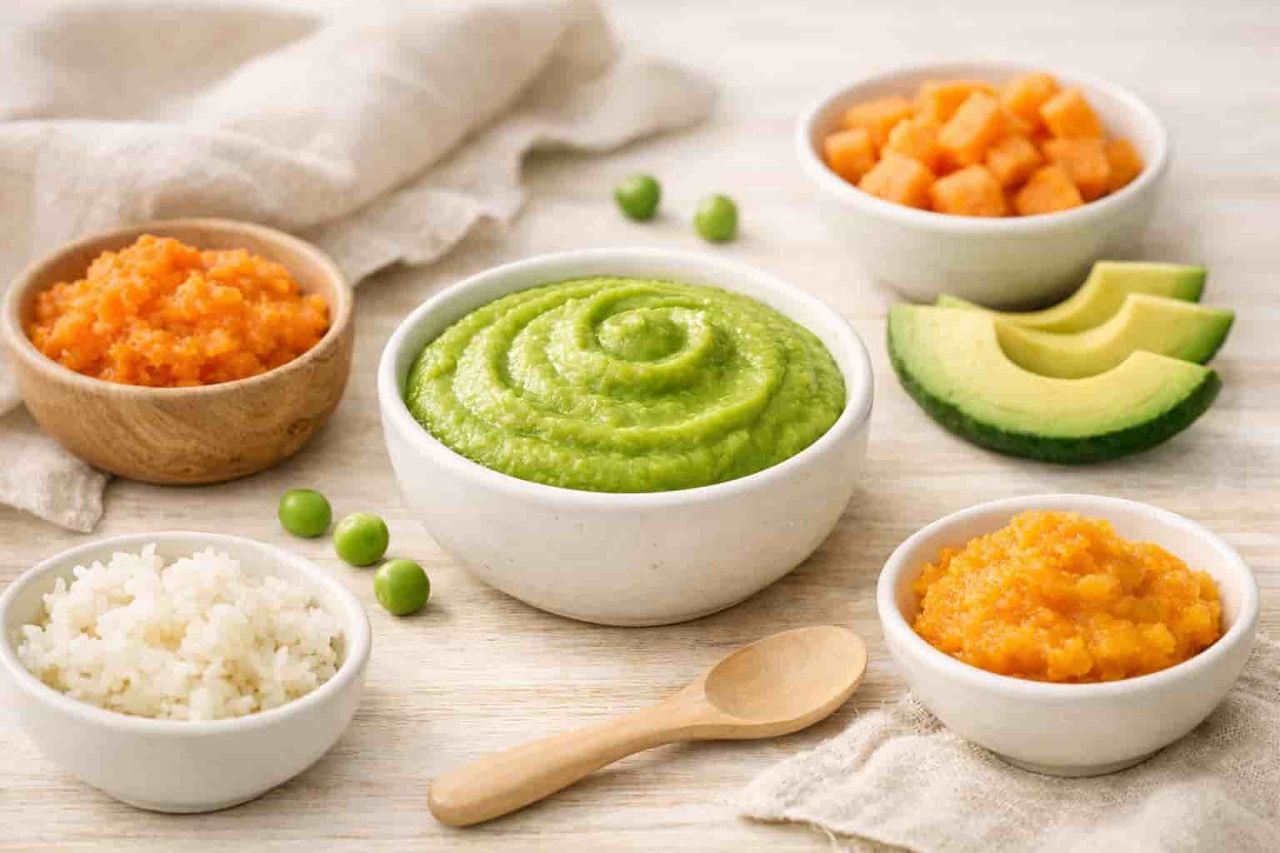
Pea puree is one of the most nutritious and versatile first foods for babies. It is naturally sweet, rich in fiber and iron, and blends beautifully with a wide range of vegetables, fruits, proteins, and grains. This guide covers 15+ pea puree combinations organized by category and age, plus practical tips for preparation, storage, and building balanced meals.
Why Pea Puree Is a Great First Food
Starting solid foods is an exciting milestone for both babies and parents. Among the many first foods available, pea puree stands out as one of the best choices. If you are wondering what to mix with pea puree for baby, you will be happy to know that peas are incredibly versatile and pair well with almost everything.
Why Peas Work So Well
- ▸Naturally slightly sweet taste that babies usually accept easily
- ▸Rich in fiber which supports healthy digestion
- ▸Good source of plant-based iron which becomes important after 6 months
- ▸Contains vitamins A, C, and K for immune support and growth
- ▸Blends well with vegetables, fruits, grains, and proteins
Peas also provide plant-based protein, making them especially useful for families who want to include more vegetarian options in their baby's diet. Their mild flavor means they combine well with both sweet and savory foods, giving you many options when deciding what to mix with peas for baby food.
When Can Babies Eat Pea Puree?
Most babies can start eating pea puree at around 6 months of age, when they begin showing signs of readiness for solid foods. However, readiness matters more than age alone.
Readiness Signs to Look For
- ✓Good head and neck control
- ✓Sitting upright with support
- ✓Showing interest in food
- ✓Less tongue-thrust reflex
Learn more about readiness in our complementary feeding readiness guide.
Always start with small amounts and increase gradually. It is normal for babies to need several tries before accepting a new food, so patience is important.
How to Make Basic Pea Puree
Making pea puree at home is straightforward. You can use fresh or frozen peas, though frozen peas are often more convenient and just as nutritious since they are frozen shortly after harvesting.
Simple Steps
- 1.Use fresh or frozen peas (no need to thaw frozen peas first)
- 2.Steam until soft, about 5 minutes (steaming retains more nutrients than boiling)
- 3.Blend until smooth using a blender or food processor
- 4.Add water, breast milk, or formula to adjust consistency
- 5.For younger babies, strain through a fine sieve to remove skins for a smoother texture
For more puree basics, see our baby puree recipes guide.
Vegetables to Mix with Pea Puree
Vegetables are one of the easiest and healthiest things to combine with pea puree. These pea baby food combinations add variety and help your baby develop a taste for different flavors early on.
Best Vegetable Pairings
- 1.Peas + Carrots -- a classic combination that adds natural sweetness and vitamin A. The sweetness of carrots balances the slightly earthy flavor of peas perfectly.
- 2.Peas + Sweet Potato -- makes the puree thicker and creamier. Sweet potato is filling and provides important nutrients like beta-carotene.
- 3.Peas + Zucchini -- mild and light, easy to digest. Zucchini has a very neutral flavor that lets the taste of peas come through.
- 4.Peas + Avocado -- adds healthy fats that are important for brain development. The creamy texture of avocado makes the puree very smooth.
- 5.Peas + Broccoli -- both are green vegetables rich in vitamins. Peas help soften the stronger taste of broccoli.
- 6.Peas + Spinach -- adds extra iron and nutrients. The sweetness of peas helps mask the bitterness of spinach.
For more on introducing vegetables, see our vegetables for 6 month old guide.
These vegetable combinations are perfect for babies who are just starting solids. Begin with simple two-ingredient mixes and gradually introduce more variety as your baby becomes comfortable with different flavors.
Fruits to Mix with Pea Puree
If your baby does not seem enthusiastic about peas at first, mixing them with fruit is often the best solution. Fruit adds natural sweetness that makes the puree more appealing. This is one of the most effective answers to what to mix with peas for baby food when your baby refuses green vegetables.
Sweet and Gentle Blends
- 7.Peas + Apple -- smooth and slightly sweet. Apple is gentle on the stomach and one of the easiest ways to introduce peas to fussy eaters.
- 8.Peas + Pear -- soft, easy to digest, and slightly sweet. Pear works especially well for babies with sensitive stomachs.
- 9.Peas + Banana -- creamy and filling. Banana makes the puree thicker and naturally sweet, which many babies enjoy.
- 10.Peas + Mango -- rich sweetness and bright flavor packed with vitamin C. Mango adds a tropical twist that can make pea puree more interesting.
A helpful approach is to start with a higher proportion of fruit and gradually increase the amount of peas over time. This way, your baby gets used to the taste of peas without being overwhelmed.
Protein Foods to Mix with Pea Puree
As your baby grows, adding protein to pea puree creates more filling and nutritious meals. These combinations are best for babies around 7 months and older, when they are ready for more complex food combinations.
Protein-Rich Combinations
- 11.Peas + Chicken -- mild taste that blends well with peas. Chicken provides easily absorbable iron and high-quality protein.
- 12.Peas + Lentils -- an excellent plant-based combination that provides extra iron and protein. Red lentils work best because they cook quickly and blend smoothly.
- 13.Peas + Fish (like salmon) -- salmon provides omega-3 fatty acids that support brain development. The mild sweetness of peas pairs surprisingly well with fish.
- 14.Peas + Yogurt -- plain full-fat yogurt adds creaminess, calcium, and probiotics for digestive health.
For more on adding meat to baby food, see our meat in baby food guide.
When adding protein foods, always make sure they are cooked thoroughly and blended to an appropriate consistency for your baby's age and stage.
Grains to Mix with Pea Puree
Adding grains turns pea puree into a more substantial meal, which is especially useful for lunch or dinner when your baby needs more energy to get through the day.
Energy-Boosting Combinations
- 15.Peas + Oats -- soft, easy to digest, and adds fiber. Oats make the puree thicker and more filling.
- 16.Peas + Rice -- simple and gentle on the stomach. Rice is one of the easiest grains for babies to tolerate.
- 17.Peas + Quinoa -- a complete protein source that adds texture and extra nutrition to the meal.
Pea Puree Combinations by Age
The best combinations depend on your baby's age and development. Here is a practical breakdown of what works best at each stage.
Stage 1 (6 Months)
- •Peas + Carrot
- •Peas + Sweet Potato
- •Peas + Apple
- •Peas + Pear
Stage 2 (7-9 Months)
- •Peas + Zucchini
- •Peas + Banana
- •Peas + Lentils
- •Peas + Oats
Stage 3 (9+ Months)
- •Peas + Chicken
- •Peas + Salmon
- •Peas + Rice + Yogurt
- •Peas + Quinoa
Simple Pea Puree Recipes to Try
Here are some easy combinations you can prepare right away. Each recipe requires only basic ingredients and takes just a few minutes to make.
Quick Recipe Ideas
- ▸Peas + carrots + a little olive oil -- steam both vegetables, blend together, and add a small drizzle of olive oil for healthy fats and better nutrient absorption
- ▸Peas + apple + banana -- steam the peas and apple, mash the banana, and blend everything together for a naturally sweet meal
- ▸Peas + sweet potato + chicken -- steam all ingredients separately, then blend together for a complete and filling lunch
- ▸Peas + avocado + zucchini -- steam the peas and zucchini, add fresh avocado, and blend until smooth
- ▸Peas + rice + yogurt -- cook rice until very soft, steam peas, blend together, and stir in a spoonful of plain yogurt
These Pea Puree Recipes Ready to Cook in the App
Instead of figuring out which ingredients and amounts go together, the Grubsy app gives you ready-made pea puree recipes for every stage, so you can cook them right away.
Start with small amounts and see what your baby likes. Every baby is different, so do not worry if certain combinations are not an immediate success. It can take 10 to 15 tries before a baby accepts a new food.
Tips for Making Pea Puree Taste Better
If your baby does not seem to enjoy pea puree right away, there are several practical things you can do to improve the taste and texture.
Practical Tips
- 1.Mix peas with sweeter foods -- apple, carrot, or sweet potato can help balance the earthy taste of peas
- 2.Add breast milk or formula -- this improves texture and adds a familiar taste that can make the puree more appealing
- 3.Blend thoroughly -- for younger babies, strain the puree to remove skins and create a very smooth consistency
- 4.Serve warm, not cold -- slightly warmed puree tends to be more appealing to babies
- 5.Try again later -- if your baby refuses, wait a day or two and offer it again. Persistence is normal and expected
- 6.Add a small drizzle of olive oil -- this improves the texture and helps with absorption of fat-soluble vitamins
Storage and Meal Prep Tips
Proper storage is important for safety and convenience. Making pea puree in larger batches and freezing it in small portions saves time during busy weeks.
Refrigeration
- •Store in airtight containers in the fridge
- •Use within 2 days for best freshness
- •Do not reheat more than once
Freezing
- •Use ice cube trays for small portions
- •Store frozen for up to 3 months
- •Thaw gently in warm water and stir well before serving
For more on freezing baby food, see our freezing baby food guide.
Sample Daily Meals Using Pea Puree
Here is an example of how you can incorporate pea puree combinations into a full day of meals for a baby around 7 to 8 months old.
Example Day with Pea Combinations
- Breakfast:Oatmeal + pear (with breast milk or formula)
- Lunch:Peas + sweet potato + chicken + olive oil
- Afternoon:Breast milk or formula
- Dinner:Peas + carrots + rice
Are Peas Safe for Babies?
Peas are generally very safe for babies, but there are a few things worth keeping in mind to ensure a positive feeding experience.
Safety Considerations
- ▸Gas and bloating -- peas can cause gas in some babies. Start with small amounts and increase gradually.
- ▸Texture -- always serve in a smooth or mashed form for younger babies. Whole peas can be a choking hazard for babies under 9 months.
- ▸Allergic reactions -- while pea allergies are uncommon, introduce them one food at a time and watch for signs of a reaction such as rash, swelling, or vomiting.
- ▸Introduce one new food at a time -- when combining peas with another ingredient your baby has not tried before, wait 2 to 3 days before adding yet another new food.
If your baby shows any signs of an allergic reaction, stop feeding and consult a doctor. For more detailed guidance on food allergies, trusted medical resources provide helpful information.
Common Questions
Can babies eat peas every day?
Yes, but variety is important. Rotate peas with other vegetables and foods throughout the week to ensure balanced nutrition and expose your baby to different flavors and nutrients.
What if my baby does not like peas?
Try mixing peas with a sweeter food like apple, pear, or banana. It can take many tries before a baby accepts a new food. Do not give up after one or two attempts.
Should I use fresh or frozen peas?
Both are fine. Frozen peas are picked and frozen at peak freshness, so they retain their nutrients well. They are also more convenient and available year-round.
Do I need to remove the skins from peas?
For younger babies (around 6 months), straining the puree through a fine sieve helps create a smoother texture. For older babies who are used to slightly chunkier foods, the skins are fine to leave in.
Summary
If you are wondering what to mix with pea puree for baby, there are many simple and healthy options. The key is to start with mild vegetables and sweet fruits, then gradually introduce proteins and grains as your baby grows.
- ▸Peas pair well with carrots, sweet potato, apple, pear, and banana
- ▸Add proteins like chicken, lentils, or yogurt for older babies
- ▸Grains like oats, rice, and quinoa make meals more filling
- ▸Batch cook and freeze for convenience
- ▸Be patient -- it takes time for babies to accept new flavors
By offering a variety of pea combinations early on, you help your baby develop healthy eating habits and enjoy a wide range of flavors that can benefit them for years to come.
Helpful External Resources
- 1. HealthyChildren.org (AAP) -- Baby feeding guidelines and nutrition advice from the American Academy of Pediatrics
- 2. NHS Start for Life -- Trusted weaning guidance and baby food safety tips
- 3. CDC Infant Nutrition -- Evidence-based infant feeding and food safety recommendations
- 4. World Health Organization -- Global complementary feeding guidelines and recommendations