Key Takeaways
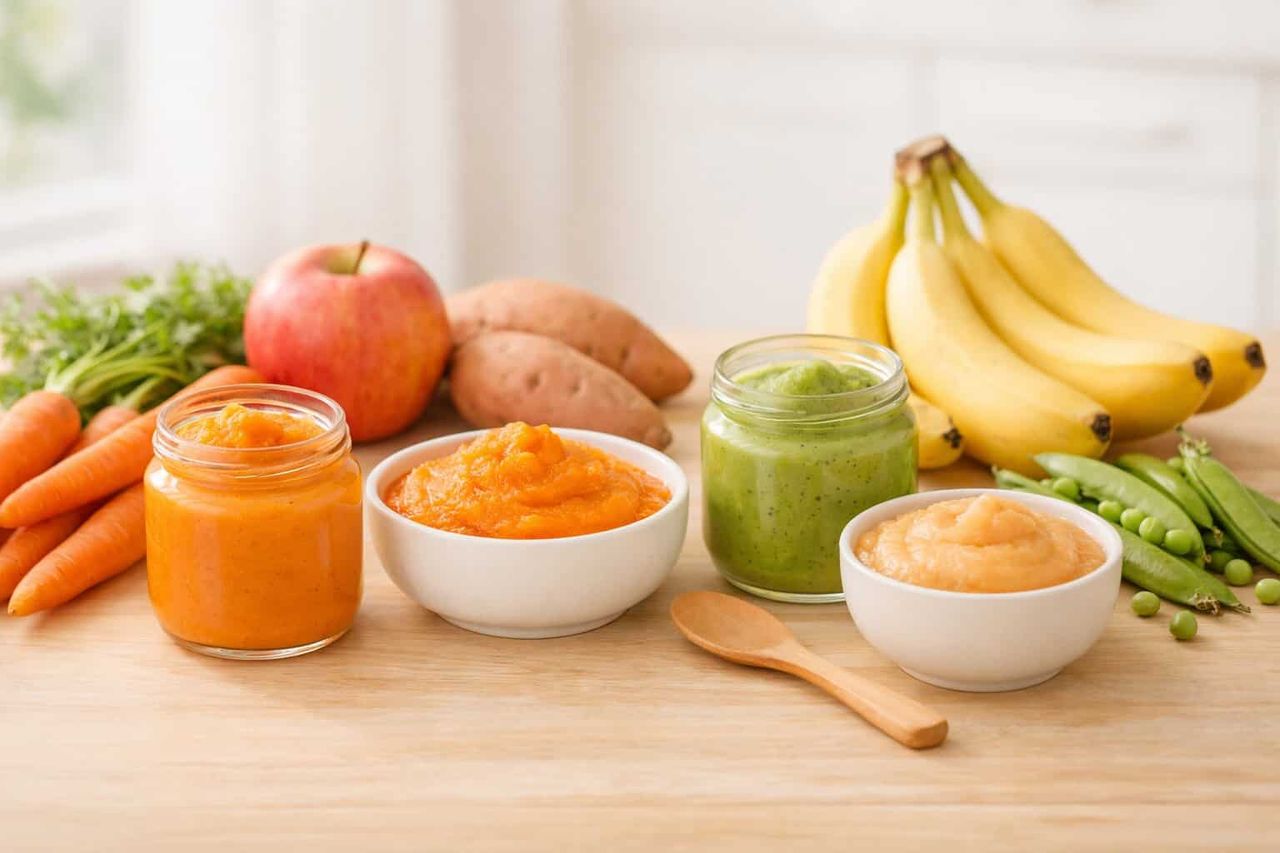
Carrots are one of the best starting points for baby food, naturally sweet, soft when cooked, and easy to digest. This guide covers 15+ carrot baby puree combinations organized by stage, plus tips for balanced baby food mixes, storage, and texture progression.
Why Carrots Are Perfect for Baby Food
Carrots are often one of the first vegetables babies try, and for good reason. They have a naturally sweet taste that babies love, become soft and smooth when cooked, and are packed with vitamin A for eyesight and immune support.
Their versatility is what makes them ideal for carrot puree combinations, you can pair them with fruits, vegetables, grains, or proteins to create endless baby food mixes.
How to Make Basic Carrot Puree
Simple Steps
- 1.Wash and peel fresh carrots
- 2.Cut into small pieces
- 3.Steam until soft (keeps nutrients better than boiling)
- 4.Blend with a little water, breast milk, or formula
- 5.Adjust consistency for your baby's stage
For more puree basics, see our baby puree recipes guide.
Stage 1 (6–7 Months): Simple and Smooth
At this stage, keep things very simple. These carrot baby puree combinations are easy to digest and gentle for beginners.
First Combos
- 1.Carrot + Apple, a classic mix with natural freshness and sweetness
- 2.Carrot + Pear, great for digestion, helpful if baby is constipated
- 3.Carrot + Banana, creamy, filling, and naturally sweet
- 4.Carrot + Sweet Potato, soft, smooth, babies usually love it
For more first foods guidance, see our starting solids guide.
Stage 2 (7–9 Months): More Flavor and Variety
Now you can combine more ingredients and introduce vegetables and mild proteins. This is where baby food combinations 7 months become more interesting.
Expanding Flavors
- 5.Carrot + Peas, protein and fiber with a mild taste
- 6.Carrot + Spinach, great way to introduce greens (carrots balance the bitterness)
- 7.Carrot + Zucchini, light and easy to digest
- 8.Carrot + Butternut Squash, naturally sweet and very smooth
- 9.Carrot + Lentils, excellent plant-based protein (red lentils work best)
- 10.Carrot + Avocado, healthy fats with a creamy texture
Stage 3 (9–12 Months): More Texture and Protein
At this stage, your baby can handle thicker textures and more filling meals.
Heartier Combos
- 11.Carrot + Chicken, soft, mild, and protein-rich
- 12.Carrot + Beef, adds iron, which babies need as they grow
- 13.Carrot + Salmon, healthy fats for brain development
- 14.Carrot + Chickpeas, filling vegetarian option packed with nutrients
- 15.Carrot + Rice or Oats, adds energy, makes meals more satisfying
For more on feeding at this stage, check our baby food at 9 months guide.
How to Build Balanced Baby Food Mixes
The Formula for a Balanced Meal
- ▸A vegetable (like carrot)
- ▸A fruit or another veggie
- ▸A source of fat (avocado, olive oil, yogurt)
- ▸A protein (for older babies, meat, lentils, egg)
Examples: Carrot + apple + oats | Carrot + chicken + sweet potato | Carrot + lentils + spinach
Tips for Better Carrot Puree Combinations
Practical Tips
- 1.Add healthy fats, carrots contain nutrients better absorbed with fat (olive oil, avocado, yogurt)
- 2.Use carrots to introduce new foods, the natural sweetness helps acceptance of new vegetables
- 3.Keep it simple, even 2–3 ingredient mixes work great
- 4.Watch for reactions, wait a few days before adding another new ingredient
Texture Progression
From Smooth to Finger Foods
- 6–7 months:Smooth puree
- 7–8 months:Thicker puree
- 8–9 months:Mashed with small lumps
- 9+ months:Soft finger foods (steamed carrot sticks)
Storage and Meal Prep Tips
Refrigeration
- •Store in fridge for up to 2–3 days
- •Use airtight containers
Freezing
- •Use ice cube trays for small portions
- •Store frozen for up to 3 months
- •Warm gently and stir well before serving
For more on freezing baby food, see our freezing baby food guide.
Sample Daily Meals (7–8 Months)
Example Day Using Carrot Combos
- Breakfast:Oatmeal + carrot + pear
- Lunch:Carrot + lentils + spinach
- Dinner:Carrot + chicken + sweet potato
Save Your Carrot Combos as Recipes
Save your favorite combinations in the Grubsy app, sorted by stage, and plan full days like the example above in just a few taps.
Common Questions
Can babies eat carrots every day?
Yes, but variety is important. Rotate with other vegetables and foods to ensure balanced nutrition.
What if my baby turns slightly orange?
This can happen with lots of carrot consumption. It's harmless (carotenemia) and fades when you vary the foods.
Are raw carrots safe for babies?
Not for young babies. Always cook carrots until soft to prevent choking.
Simple Takeaway
- ▸Carrots are a perfect base for baby purees at every stage
- ▸Start simple (carrot + apple), then expand over time
- ▸Add fats for better nutrient absorption
- ▸Progress texture from smooth puree to soft finger foods
- ▸Batch cook and freeze for convenience
Helpful External Resources
- 1. HealthyChildren.org, Baby feeding guidelines and nutrition advice
- 2. CDC, Infant feeding and food safety recommendations
- 3. Academy of Nutrition and Dietetics, Tips on making homemade baby food
- 4. ASCIA, Introducing allergens safely to babies