If your toddler eats the same five or six foods on repeat and treats anything else on the plate like it might bite back, you've probably already heard the standard advice: keep offering the new food, no pressure, again and again, and eventually it clicks. That advice is genuinely evidence-based, and for plenty of children it works exactly as promised. But for a toddler who is more cautious, more sensitive to texture and smell, or just more strong-willed about food, offering the same totally unfamiliar plate for the fifteenth time can feel like asking them to leap across a canyon, and some kids never take the first step toward the edge. This is where food chaining for toddlers comes in: a structured way to expand a limited diet by introducing new foods that share something, a texture, a shape, a color, a temperature, a flavor, or a food group, with a food your child already eats without a fight.
This guide walks through what food chaining actually is and how it's different from simply repeating the same new food over and over, a full worked example you can adapt for your own child, the specific traits worth chaining along, how to combine chaining with the low-pressure exposure approach that already underpins good feeding advice, and realistic pacing so a slow week doesn't feel like a failed one. We'll also cover when a limited diet is significant enough that chaining alone isn't quite enough, and a pediatrician or feeding therapist is worth bringing in.
Food chaining works by asking your child to cross the smallest possible gap between a food they already trust and a new one, instead of asking them to trust something completely unfamiliar in a single jump.
What Food Chaining for Toddlers Actually Is
Food chaining is a structured technique, originally developed by pediatric feeding therapists and dietitians, for expanding a child's diet one deliberate step at a time. Instead of introducing a brand-new food that has nothing in common with what your child already eats, you choose a new food that shares one specific trait with a food they already accept: the same shape, the same texture or temperature, the same color, the same food family, or the same flavor profile. Each food in the chain sits just one small step from something familiar, so the leap your child is being asked to make stays small and genuinely manageable.
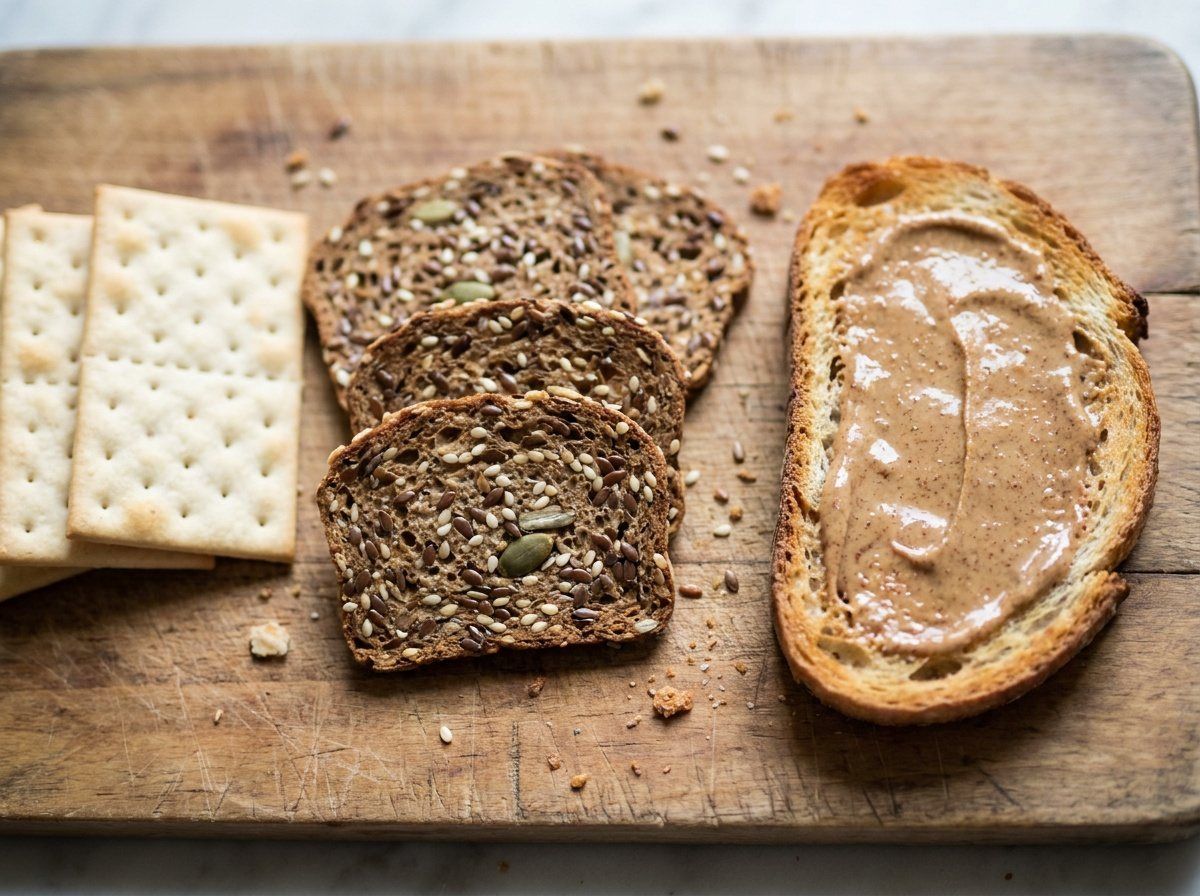
Picture an actual chain of links. The first link is a food your toddler already eats without any fuss. The second link shares almost everything with that food, except for one deliberately chosen difference. The third link shifts one more small thing, and so on. By the fifth or sixth link, you may have gone from a single accepted cracker to a piece of toast with mashed avocado on it, two foods that look nothing alike side by side, but that got there through a series of steps that never asked for a big jump at once.
This is quite different from simply rotating unfamiliar foods onto the plate and hoping one eventually sticks. A green bean and a plain cracker have almost nothing in common from a toddler's point of view: different color, texture, temperature, flavor, and shape, all at once. Asking a cautious eater to go straight from cracker to green bean is really asking for five changes in a single bite, and that's exactly the kind of jump that stalls out for kids who are already wary of new food. Chaining narrows the gap deliberately, one trait at a time, so your child is only ever being asked to notice and tolerate a single new variable.
Why Chaining Works Better Than "Just Keep Offering It" Alone
Repeated, low-pressure exposure, offering a new food alongside familiar ones without bribery or pressure to eat it, again and again over time, is the foundation of most good feeding advice, and it's still genuinely important here (more on combining the two shortly). For many toddlers, a new food quietly moves from refused to accepted somewhere between the eighth and fifteenth exposure, sometimes more, simply because familiarity itself lowers the guard.
But repeated exposure only does its job if some real engagement happens at each exposure: looking at the food, touching it, smelling it, maybe licking it, even if it never gets eaten. For a toddler who is more resistant, more rigid about food, or more sensitive to texture and smell, a totally unfamiliar food can trigger a full shutdown before any of that engagement has a chance to happen. The plate gets pushed away, the head turns, and exposure number one never really counts for much, because nothing was actually explored. Offering that same unfamiliar food fifteen more times doesn't help much if your child checks out at second zero every single time.
Chaining works around this by keeping the new food close enough to something already trusted that your child is willing to actually engage with it, to look at it without flinching, to touch it, to bring it near their mouth. That engagement is what makes repeated exposure actually add up to something. A new cracker brand is a small enough ask that most toddlers will at least try it, and a small win early in a chain builds exactly the confidence that makes the next, slightly bigger step possible. It isn't a trick, and it isn't about disguising food. It's about respecting how much change a cautious eater can process in one sitting, building a bridge instead of asking for a leap.
A Food Chain in Action: One Chain, Step by Step
This makes a lot more sense in action than in the abstract, so let's walk through a full example from start to finish. Say your toddler reliably eats one specific brand of plain, mildly salted cracker: same box, same shape, every time, no substitutions accepted. That single accepted food becomes your starting link, and everything else in the chain grows out of it.
The first step asks for almost nothing new: a different brand or shape of plain cracker. Same category, same flavor, same crunch, just a different package or a slightly different shape. Most toddlers who are otherwise rigid about food accept this step quickly, sometimes in a single sitting, because so little has actually changed.
From there, you might chain to a breadstick. It keeps the long, thin shape and the satisfying crunch of a cracker, but the texture underneath that crunch is a little different: slightly more give, a bit more chew. It's also a familiar item in a lot of baby-led weaning snack rotations, so if your toddler did BLW as a baby, this particular step sometimes clicks faster than expected.
The next link is a strip of toast. Toast keeps the crunch on the surface, closer to a cracker's bite than you'd expect, while introducing softness underneath and a slightly different flavor from the bread itself. Cut it into a similar long strip to the breadstick that came before it, and the shape stays reassuringly familiar even as the food underneath it changes.
Once plain toast is genuinely accepted, not just tolerated once, the chain can branch in more than one direction. On the texture side, you might move from dry toast to toast with a very thin scrape of butter, then toast with a familiar spread. On the flavor side, you could hold the toast steady and vary the topping instead, starting with something your child already likes in another context. Either direction still counts as chaining: you're changing exactly one thing and holding the rest steady.
The chain doesn't have to run in a single straight line, either. From the breadstick link, you could just as easily branch sideways to other long, thin, crunchy foods, a very well-cooked, slightly firm piece of pasta shaped like a tube, or a soft cucumber spear, without going anywhere near toast at all. One accepted food can be the starting point for several chains running at the same time, not just one.
This Chain at a Glance
- ▸Starting food: a specific plain cracker your toddler already eats without hesitation
- ▸Step 1: a different plain cracker, new shape or brand, same flavor and crunch
- ▸Step 2: a breadstick, same long thin crunch, slightly different chew
- ▸Step 3: a strip of toast, crunchy outside, softer inside
- ▸Branch out: toast with a thin scrape of butter, a soft sandwich, or a well-cooked pasta tube
Get Chaining Ideas Based on What Your Child Already Eats
Grubsy tracks the foods your toddler has already accepted and suggests similar next-step foods to try, turning food chaining from guesswork into a guided plan.
The Four Traits You Can Chain Along
Cracker to toast is just one possible chain. The real skill in food chaining isn't memorizing someone else's example, it's learning to spot which trait is doing the work in your own child's accepted foods, so you can hold that trait steady while changing just one other thing at a time. Four traits are worth paying attention to: shape or format, temperature or texture, food family, and flavor profile. Most successful chains lean on one of these at a time.
Same Shape or Format
- ▸All the "long, thin things": fries, breadsticks, pretzel sticks, cucumber spears, string cheese
- ▸Chain idea: cracker to breadstick to a soft cucumber spear keeps the shape in your child's hand nearly identical
Same Temperature or Texture
- ▸All crunchy: crackers, toast, dry cereal. All smooth: yogurt, mashed potato, pudding, nut butter
- ▸Chain idea: a crunchy cracker to crunchy toast keeps the bite feel familiar even as the flavor shifts underneath it
Same Food Family
- ▸Different forms of one ingredient: mashed, roasted, or baked into fries or wedges
- ▸Chain idea: a food your child already loves mashed is often only one small step from the same food roasted or baked
Same Flavor Profile
- ▸Mild and plain before seasoned or mixed in: plain pasta before sauced pasta, plain yogurt before fruit yogurt
- ▸Chain idea: once a mild flavor is accepted, add one new seasoning or mix-in at a time, not the whole dish at once
Notice that these categories overlap constantly, and that's fine, but the most reliable chains change only one trait per step. If your toddler already loves mashed sweet potato, the food family category points to roasted sweet potato wedges or soft sweet potato fries as a next step: same ingredient, same mild sweetness, only the texture changes. If mild, slightly sweet flavors are generally your child's comfort zone, a well-liked ripe banana can anchor a flavor-profile chain toward other mildly sweet, soft foods, like a ripe pear or a spoonful of plain applesauce, well before you'd attempt something savory or tart. Changing shape, texture, and flavor all in the same step is really three separate asks disguised as one, and that's usually where a chain that was working suddenly stalls.
Combining Chaining With Low-Pressure Exposure
Food chaining isn't a competing technique to repeated, low-pressure exposure, it's the same underlying approach aimed at a smaller gap. Every rule that makes repeated exposure work in the first place still applies at every link in the chain. Our picky eating guide covers this foundation in real depth, but the short version matters here too: no bribing, no pressure to take a bite, no big reaction to refusal, and the new food served alongside something you already know your child will eat, so the meal itself never feels like a test.
Chaining also fits naturally inside the Division of Responsibility approach to feeding, where your job is deciding what food is offered, when, and where, and your child's job is deciding whether to eat it and how much. Chaining simply shapes your side of that job: instead of putting a random unfamiliar food on the plate, you're choosing the next deliberate link in a sequence. Your toddler still has full control over whether that link gets touched, tasted, or ignored today, and that control is exactly what keeps a new food from turning into a power struggle.
In practice, this means offering the new chain link at a relaxed, low-stakes meal rather than the one where everyone is hungriest and most tired. A weekend lunch, with a little more time and a little less pressure than a rushed weeknight dinner, is often a good testing ground; our toddler lunch ideas are a useful starting point if you need inspiration for what to serve alongside the new food. Put the new item on the plate without comment, let your child see you or a sibling eating it too, and let the meal continue as normal, whether or not the new food gets touched today.
Realistic Pacing: Small Steps, No Rush
If this feels reminiscent of the texture progression you likely already navigated earlier on, moving gradually from single-ingredient purees to lumpier textures to finger foods, that's not a coincidence. Chaining is the same underlying idea, applied a little later, once your toddler has strong opinions and a lot more say in what happens next.
And just like that earlier progression, chaining doesn't move on a fixed schedule. Some steps click within a day or two. Others take weeks of the new food simply sitting on the plate untouched before your child even agrees to touch it, let alone taste it. Both outcomes are completely normal, and neither one means the technique has stopped working. A step that takes six weeks isn't a failed step, it's just a bigger step than it looked from the outside.
Resist the urge to jump to the next link the moment one step succeeds a single time. One accepted bite is a good sign, but it isn't the same thing as a food being genuinely, reliably accepted. Give a new link several relaxed, low-pressure repetitions before you treat it as the foundation for the next step. It's also fine, and often more effective, to run more than one chain at once from different accepted foods, so a stall in one chain doesn't make every mealtime feel stuck.
Expect some backsliding, too. A food that was accepted last month can get refused again for no obvious reason, especially around a growth spurt, a cold, a new sibling, or just an ordinary toddler mood. That's typical toddler behavior, not evidence that the chain broke. Treat small wins, a lick, a touch, one bite chewed and spat back out, as real progress, because they genuinely are. A full plate cleared isn't the actual milestone here; a child willing to engage with a new food at all is.
When a Limited Diet Needs More Than Chaining
Food chaining is a genuinely powerful tool for typical picky eating, the narrow-but-persistent pattern where a toddler eats a decent variety within their comfort zone but resists expanding it. It isn't designed to solve every kind of feeding difficulty on its own, and it's worth being honest about where its limits sit.
If your child's accepted foods add up to a very small handful total, or if entire food groups or textures are refused completely, no fruits or vegetables in any form, or nothing beyond purees well past the age when most toddlers are managing textured food, that's a different situation from typical pickiness, and chaining alone may not move the needle much. The same is true if mealtimes routinely involve gagging, vomiting, or real distress at the sight of an unfamiliar food, not just a firm no, or if growth has become a genuine concern at checkups.
None of this is a reason to panic, and it doesn't mean you've done anything wrong. Some toddlers have a feeding difficulty significant enough to benefit from extra support: a pediatrician can rule out or address any underlying medical piece, and a feeding therapist, often an occupational therapist or speech-language pathologist with feeding-specific training, can build a structured plan around your child's exact pattern, sometimes using chaining alongside other techniques designed for more entrenched food refusal. Bringing in that support sooner rather than later tends to make the whole process shorter and less stressful for everyone at the table, including you.
For most toddlers going through an ordinary picky phase, though, a combination of patience, low-pressure exposure, and a well-planned chain is genuinely enough. There's no need to seek out a specialist just because progress feels slow some weeks.
Final Thoughts
Food chaining works because it never asks a cautious eater to trust something completely unfamiliar all at once. By starting from a food your toddler already accepts and changing one shape, texture, flavor, or format at a time, you turn "eat something new" into a series of small, winnable steps instead of one big leap.
Pair it with patience, low-pressure meals, and the confidence that some links will click in a day while others take months, and a genuinely limited diet can open up gradually, without turning every meal into a negotiation. And if the list of accepted foods stays very short despite real effort, asking your pediatrician or a feeding therapist for backup is a smart next step, not a setback.