Toast/Bread for Babies
Baby Food Guide from 6 Months
Puree
6+
Months
BLW
6+
Months
Choking Hazard
Moderate
Allergen
Yes
Key Nutrients
Carbohydrates • Fiber • B Vitamins
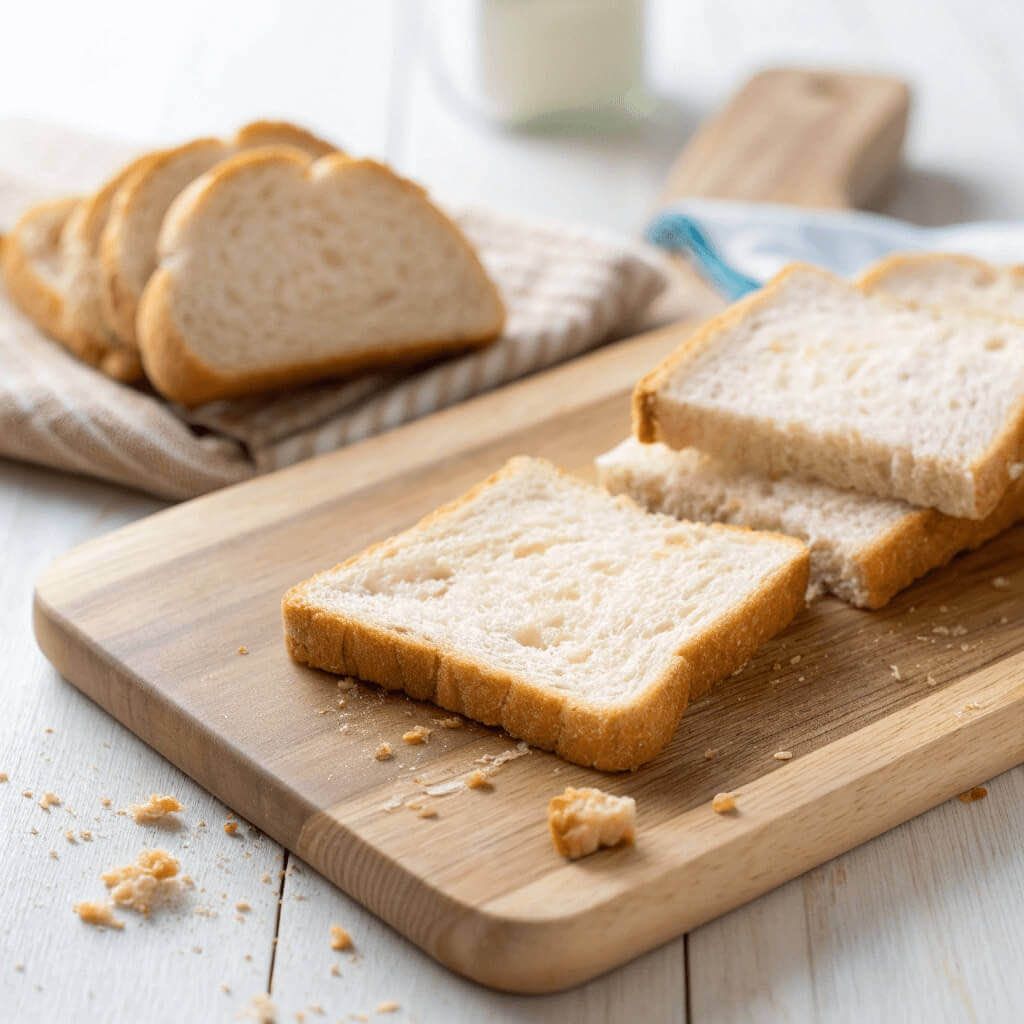
Can Babies Eat Toast/Bread?
Toasted bread earns its place as a baby food mostly through texture. Toasting firms up the crumb so it holds together instead of turning into a sticky, gluey clump the way fresh soft bread can, which makes it easier for babies to manage safely while they practice chewing and self-feeding. That combination makes bread one of the more popular early finger foods.
Bread also works well as a vehicle for other foods. A strip of toast spread thin with mashed avocado or a smooth nut butter turns a plain food into a fuller meal, and the mild, familiar taste means most babies accept it without a fuss. Whole grain versions add fiber and B vitamins that white bread lacks, along with steadier energy than refined white bread.
Wheat-based bread contains gluten, a common allergen, so it's usually one of the foods parents watch closely at first introduction. Look for whole grain loaves without added honey or a lot of sugar.
Toast/Bread Baby Food: How to Prepare It
Puree from 6+ Months
Soak small pieces of bread in breast milk, formula, or water until very soft and mashable for first introduction. Serve mixed with fruit or vegetable purees to add texture variety.
BLW from 6+ Months
Offer lightly toasted whole grain bread strips with thin spreads like mashed avocado, smooth nut butter, or hummus. Never use honey (botulism risk under 12 months) or thick butter.
BLW from 9+ Months
Cut toasted bread into small bite-sized pieces for pincer grasp development. Top with soft spreads like mashed banana, cream cheese, or thin nut butter for added nutrition.
BLW from 12+ Months
Serve small, quartered sandwiches with healthy fillings like hummus, mashed beans, or soft cheese. Use whole grain bread for added nutrition. Encourage independent self-feeding and utensil exploration.
Nutritional Benefits
Toast and bread help babies transition to table foods while providing energy, fiber, and B vitamins. Perfect vehicle for nutritious spreads and excellent for chewing practice.
Key Nutrients
Carbohydrates
Provide sustained energy for play and growth.
Fiber
Supports healthy digestion.
B Vitamins
Help release energy from food and support brain function.
Iron (fortified varieties)
Supports cognitive and motor development.
Protein
Aids in tissue growth and repair.
Allergen & Choking Information
Common Allergen
Wheat-based breads contain gluten, a common allergen. Never offer soft, fresh doughy bread that can form sticky clumps. Always toast bread to improve texture and safety.
Frequently Asked Questions
When can babies eat Toast?
Around 6 months (toasted and cut into safe shapes)
How do I prepare Toast puree for my baby?
Soak small pieces of bread in breast milk, formula, or water until very soft and mashable for first introduction. Serve mixed with fruit or vegetable purees to add texture variety.
What are the nutritional benefits of Toast?
Toast and bread help babies transition to table foods while providing energy, fiber, and B vitamins. Perfect vehicle for nutritious spreads and excellent for chewing practice.
Sources & Related Resources
Get Personalized Guidance for Every Feeding Stage
Download the Grubsy app to track meals, get tailored recommendations, and explore foods like Toast/Bread plus hundreds more, all in one place.
Disclaimer: This information is for educational purposes only and does not replace professional medical advice.