Pasta for Babies
Baby Food Guide from 6 Months
Puree
6+
Months
BLW
6+
Months
Choking Hazard
Low
Allergen
Yes
Key Nutrients
Carbohydrates • Protein • Iron (fortified varieties)
Can Babies Eat Pasta?
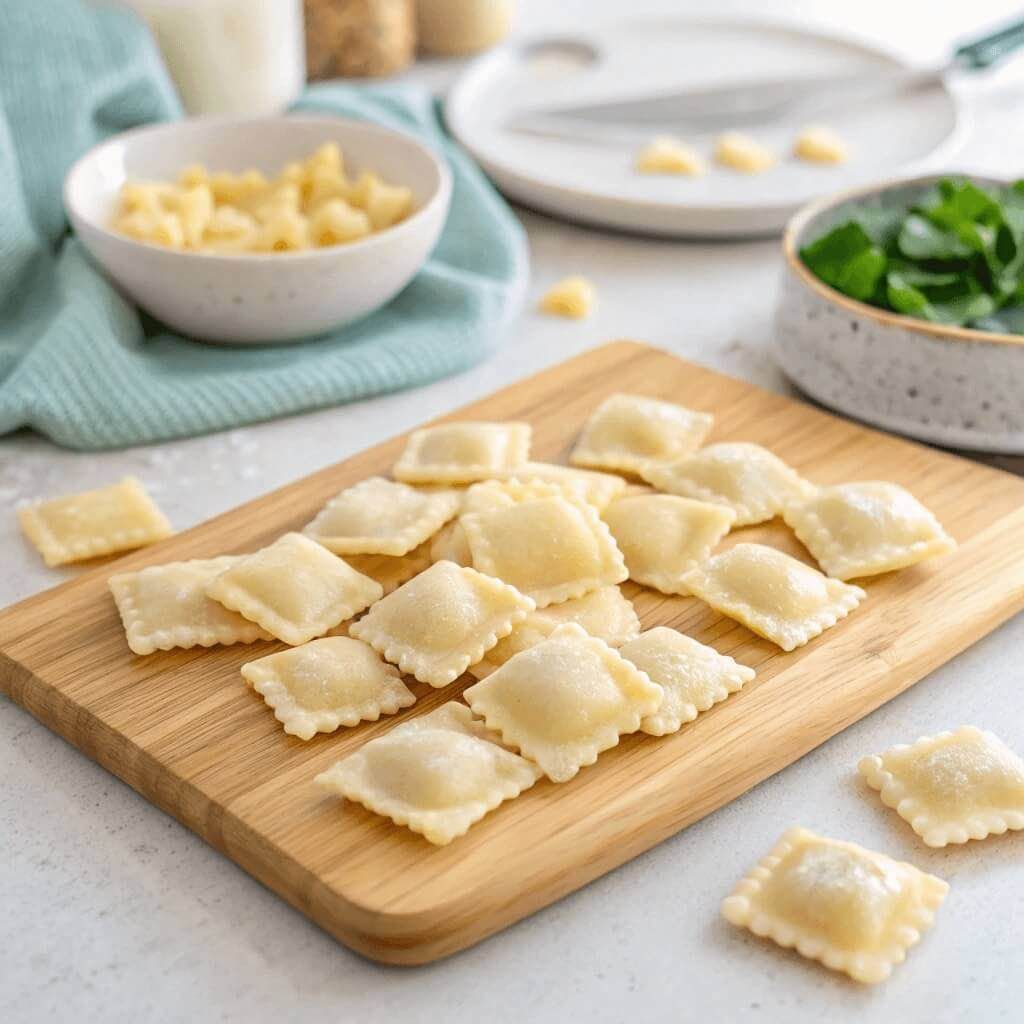
Pasta is a simple carbohydrate that turns soft and mashable once cooked, an easy, low-effort way to give babies steady energy alongside whatever sauce, vegetable, or protein happens to be on the table that day. It's mostly wheat flour and water, with complex carbs, B vitamins, and a bit of protein and iron, more of both in fortified or whole wheat varieties.
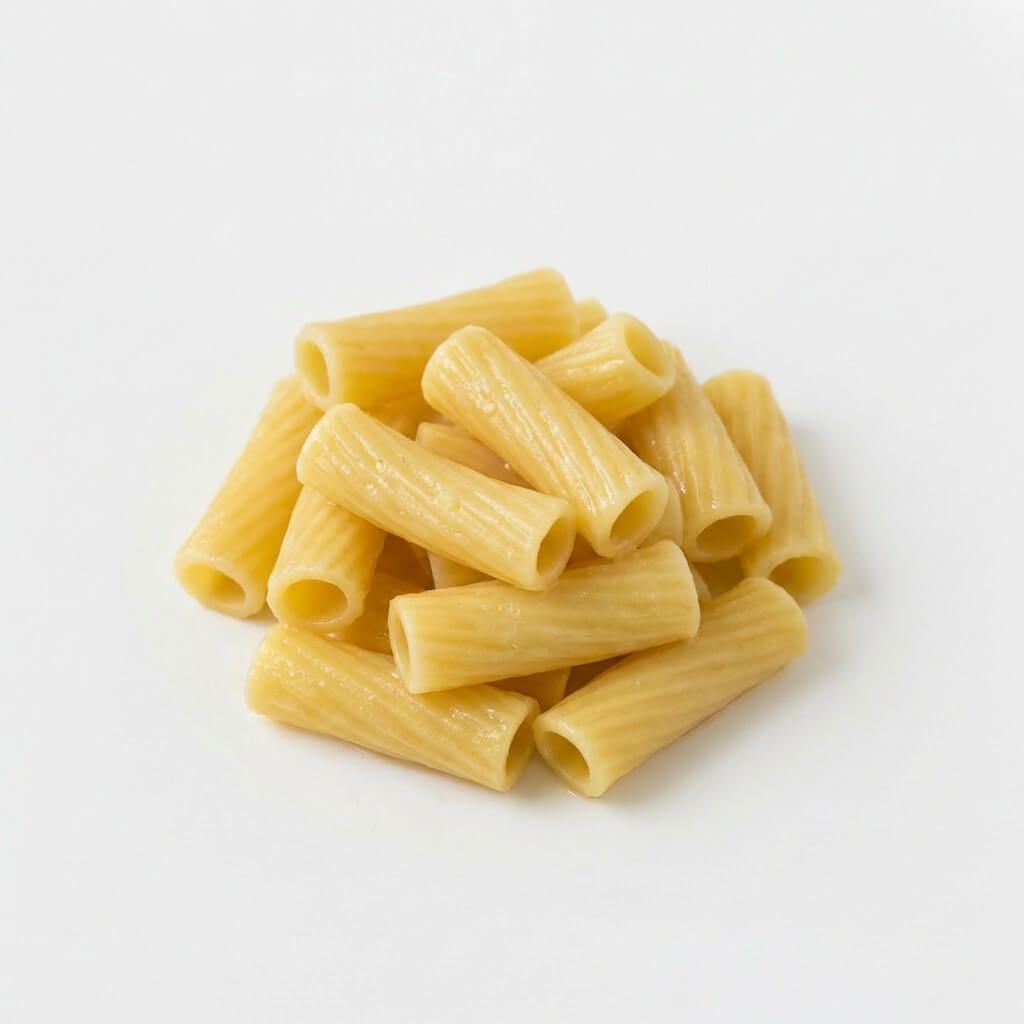
Shape matters for a beginner: small tubes like penne or rigatoni are easy to pick up and gum, while flat noodles like fettuccine work best cut into short strips. The mild, slightly sweet taste rarely gets rejected, which makes pasta a reliable, almost foolproof base for introducing new sauces and flavors without a fight.
Because it's made from wheat, pasta contains gluten, one of the more common allergens, so it's usually introduced deliberately rather than as an afterthought. Always cook it noticeably softer than al dente so it mashes easily between fingers rather than requiring real chewing.
Pasta Baby Food: How to Prepare It
Puree from 6+ Months
Cook pasta until very soft, then blend with vegetable or meat puree and a bit of liquid (breast milk, formula, or cooking water) for smooth, creamy texture suitable for first introduction.
BLW from 6+ Months
Offer large, well-cooked pasta shapes like penne, rigatoni, or fusilli for grasping and self-feeding practice. Ensure they're soft enough to squish easily between fingers. Toss with olive oil to prevent sticking.
BLW from 9+ Months
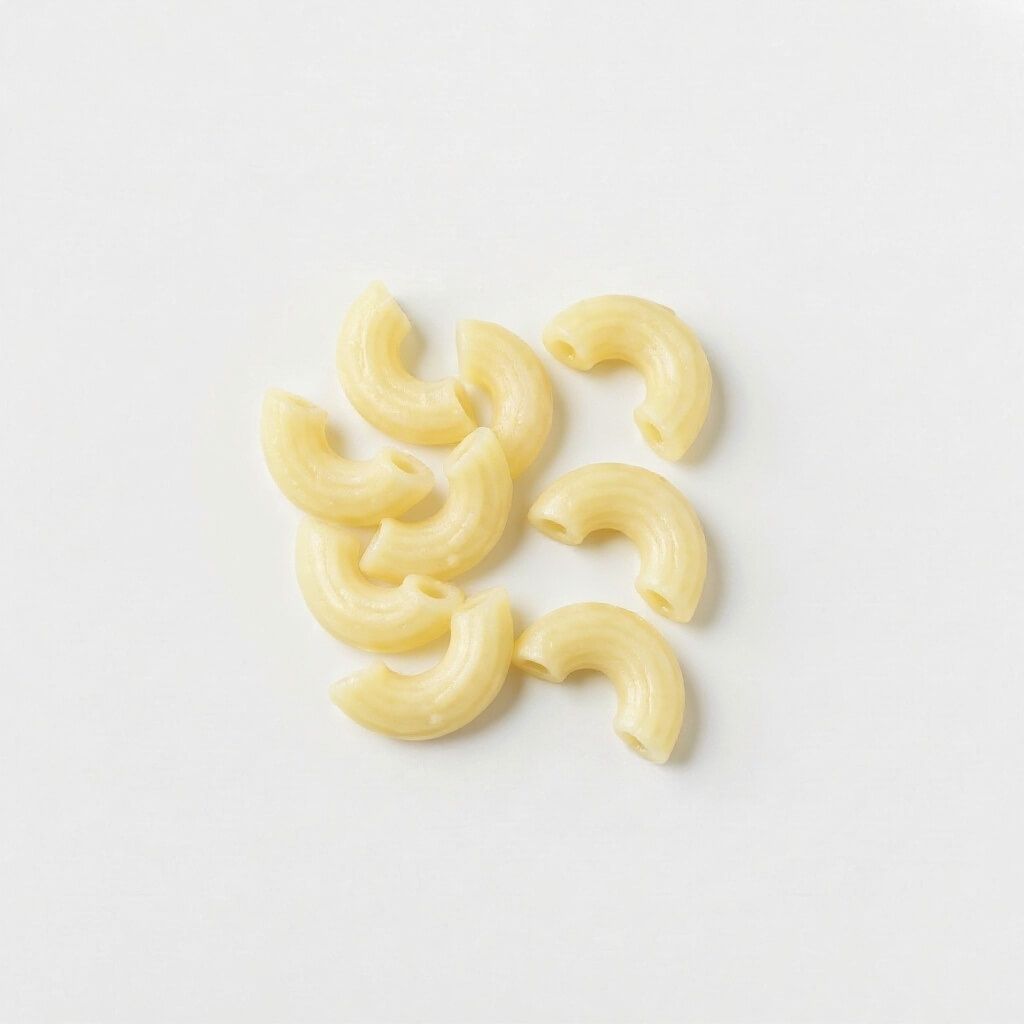
Offer small pasta shapes like orzo, ditalini, or chopped spaghetti for pincer grasp development. Mix with mild tomato sauce, pesto, or cheese for added flavor and nutrition.
BLW from 12+ Months
Serve pasta with nutritious sauces like marinara, cheese sauce, or pesto, mixed with soft vegetables and protein. The slippery texture makes fork practice challenging but rewarding. Encourage independent utensil use.
Nutritional Benefits
Pasta is versatile texture-training food offering steady energy from complex carbohydrates. Different shapes support motor skill development while blending easily with proteins and vegetables.
Key Nutrients
Carbohydrates
Supply steady energy for development and play.
Protein
Supports growth and tissue repair.
Iron (fortified varieties)
Aids brain and blood development.
B Vitamins
Promote healthy metabolism.
Fiber
Encourages regular digestion.
Allergen & Choking Information
Common Allergen
Pasta made from wheat contains gluten, a common allergen. Always cook until very soft and easily squishable between fingers. Avoid al dente texture for babies.
Frequently Asked Questions
When can babies eat Pasta?
Around 6 months (well-cooked and soft)
How do I prepare Pasta puree for my baby?
Cook pasta until very soft, then blend with vegetable or meat puree and a bit of liquid (breast milk, formula, or cooking water) for smooth, creamy texture suitable for first introduction.
What are the nutritional benefits of Pasta?
Pasta is versatile texture-training food offering steady energy from complex carbohydrates. Different shapes support motor skill development while blending easily with proteins and vegetables.
Sources & Related Resources
Get Personalized Guidance for Every Feeding Stage
Download the Grubsy app to track meals, get tailored recommendations, and explore foods like Pasta plus hundreds more, all in one place.
Disclaimer: This information is for educational purposes only and does not replace professional medical advice.