Sweet Potato for Babies
Baby Food Guide from 4 Months
Puree
4+
Months
BLW
4+
Months
Choking Hazard
Low
Allergen
No
Key Nutrients
Vitamin A (Beta-Carotene) • Vitamin C • Fiber
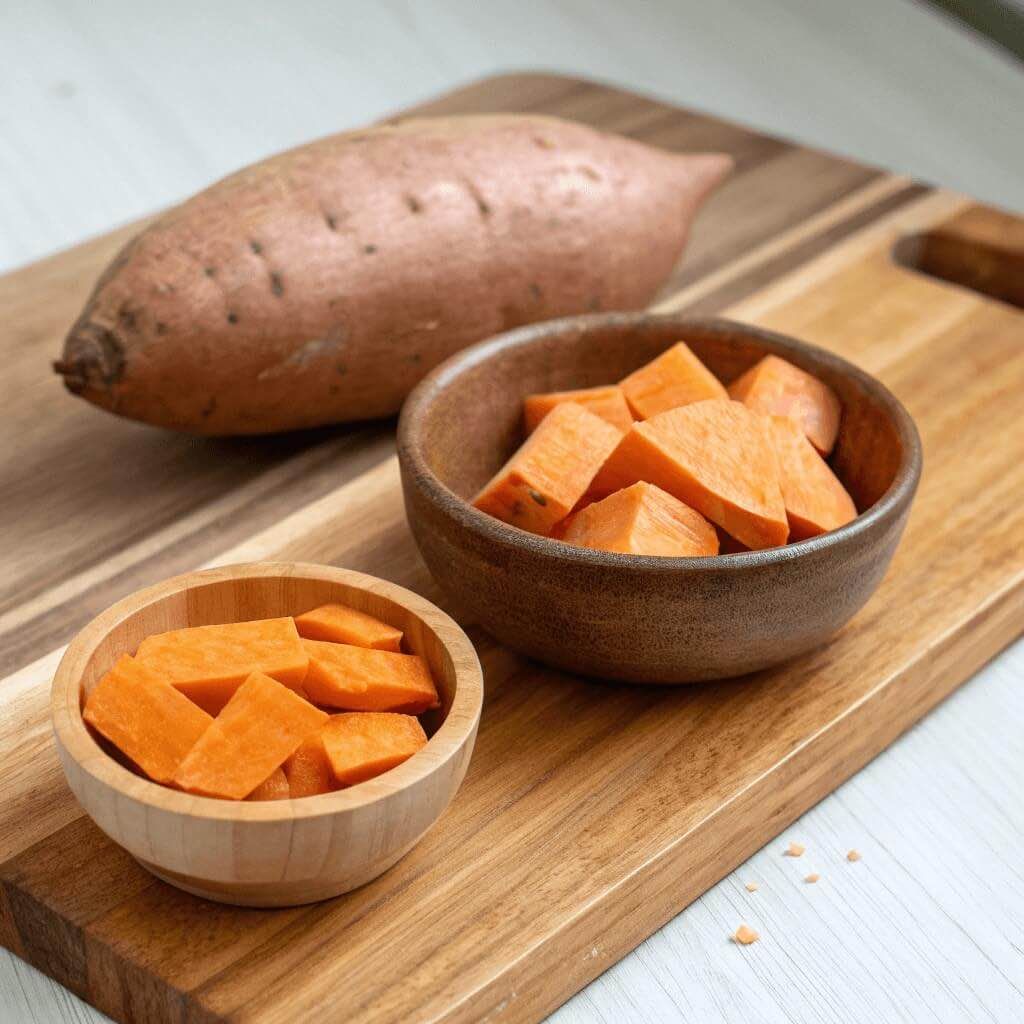
Can Babies Eat Sweet Potato?
Sweet potato is one of the most common first foods worldwide, and for good reason. It cooks down soft and creamy with almost no effort, and its natural sweetness makes it an easy first taste for a baby who has never had solid food before. It also happens to be cheap, easy to find year-round, and forgiving of almost any cooking method, whether steamed, baked, roasted, or boiled.
That sweetness does more than please a first-timer. Because sweet potato tastes good on its own, it works as a bridge to less popular vegetables. Mixing it with spinach or cauliflower can help a baby accept flavors they'd otherwise turn down. Nutritionally, the orange flesh is loaded with beta-carotene, which the body converts to vitamin A for eyes, skin, and immune health.
Sweet potato isn't a common allergen and is gentle on digestion, part of why it's such a popular starting point across so many different cuisines. It also freezes and reheats well, handy for parents cooking in batches.
Sweet Potato Baby Food: How to Prepare It
Puree from 4+ Months
Roast or steam sweet potato until very soft, then puree with cooking liquid, breast milk, or formula until smooth. You can add spices like cinnamon for flavor variety as your baby gets comfortable with the taste.
BLW from 6+ Months
Offer wedges of fully cooked, soft sweet potato without skin for self-feeding. The wedge shape makes it easy for baby to hold and practice biting skills.

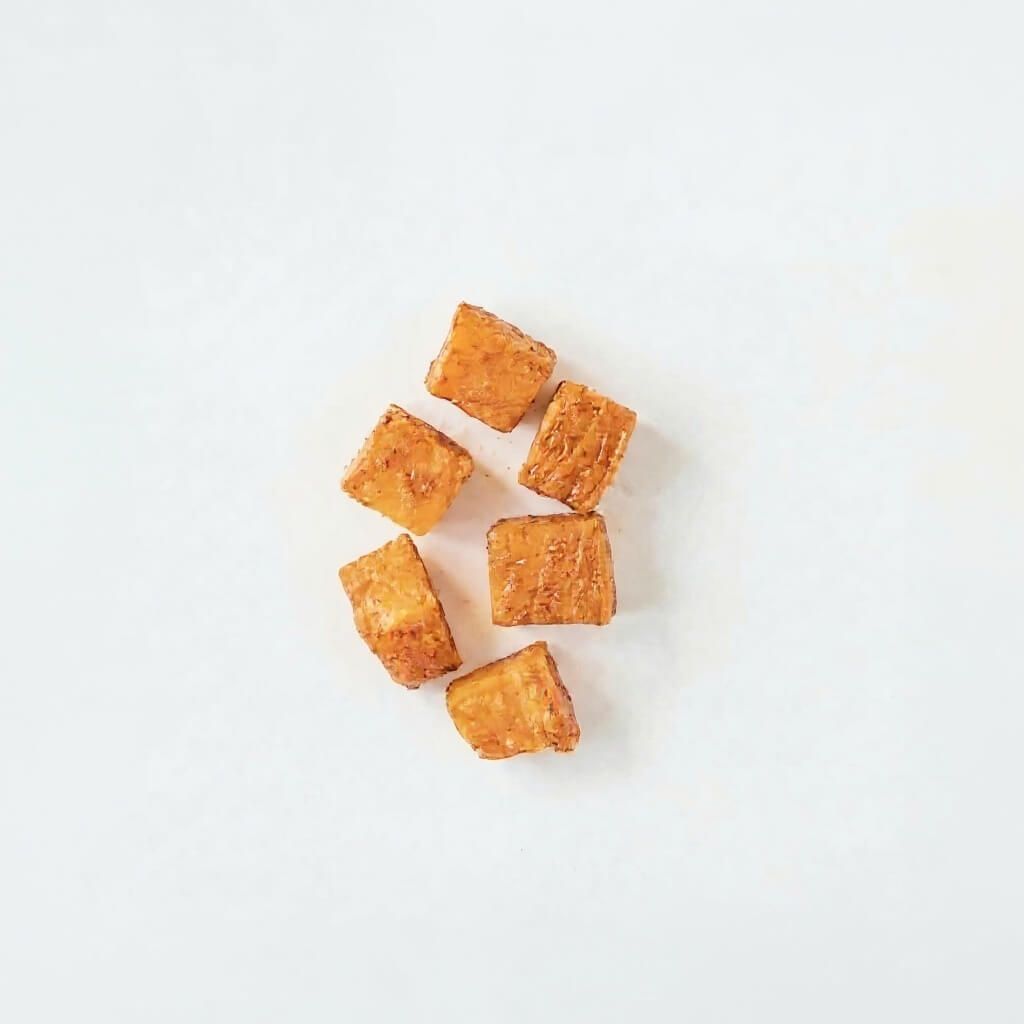
BLW from 9+ Months
Serve bite-sized pieces or small soft cubes (about 1/4 inch) of cooked sweet potato for pincer grasp practice. You can also offer soft cooked pieces or mash with small chunks for texture variety.
BLW from 12+ Months
Continue offering bite-sized pieces or wedges as desired. Encourage utensil practice by pre-loading a fork with pieces to help develop independent eating skills.
Nutritional Benefits
Sweet potatoes are a nutrient powerhouse, delivering vitamins and minerals that promote strong growth and healthy immunity. The natural sweetness appeals to babies while providing complex carbohydrates.
Key Nutrients
Vitamin A (Beta-Carotene)
Supports vision and immune health.
Vitamin C
Enhances iron absorption and boosts immunity.
Fiber
Aids digestion and prevents constipation.
Potassium
Helps regulate muscle and heart function.
Manganese
Contributes to bone and metabolic health.
Allergen & Choking Information
Not a Common Allergen
Sweet potatoes are not a common allergen. Ensure they're soft and properly cooked—they should mash easily with a fork before serving to babies.
Frequently Asked Questions
When can babies eat Sweet Potatoes?
4 to 6 months (if pureed until smooth)
How do I prepare Sweet Potatoes puree for my baby?
Roast or steam sweet potato until very soft, then puree with cooking liquid, breast milk, or formula until smooth. You can add spices like cinnamon for flavor variety as your baby gets comfortable with the taste.
What are the nutritional benefits of Sweet Potatoes?
Sweet potatoes are a nutrient powerhouse, delivering vitamins and minerals that promote strong growth and healthy immunity. The natural sweetness appeals to babies while providing complex carbohydrates.
Sources & Related Resources
Get Personalized Guidance for Every Feeding Stage
Download the Grubsy app to track meals, get tailored recommendations, and explore foods like Sweet Potato plus hundreds more, all in one place.
Disclaimer: This information is for educational purposes only and does not replace professional medical advice.