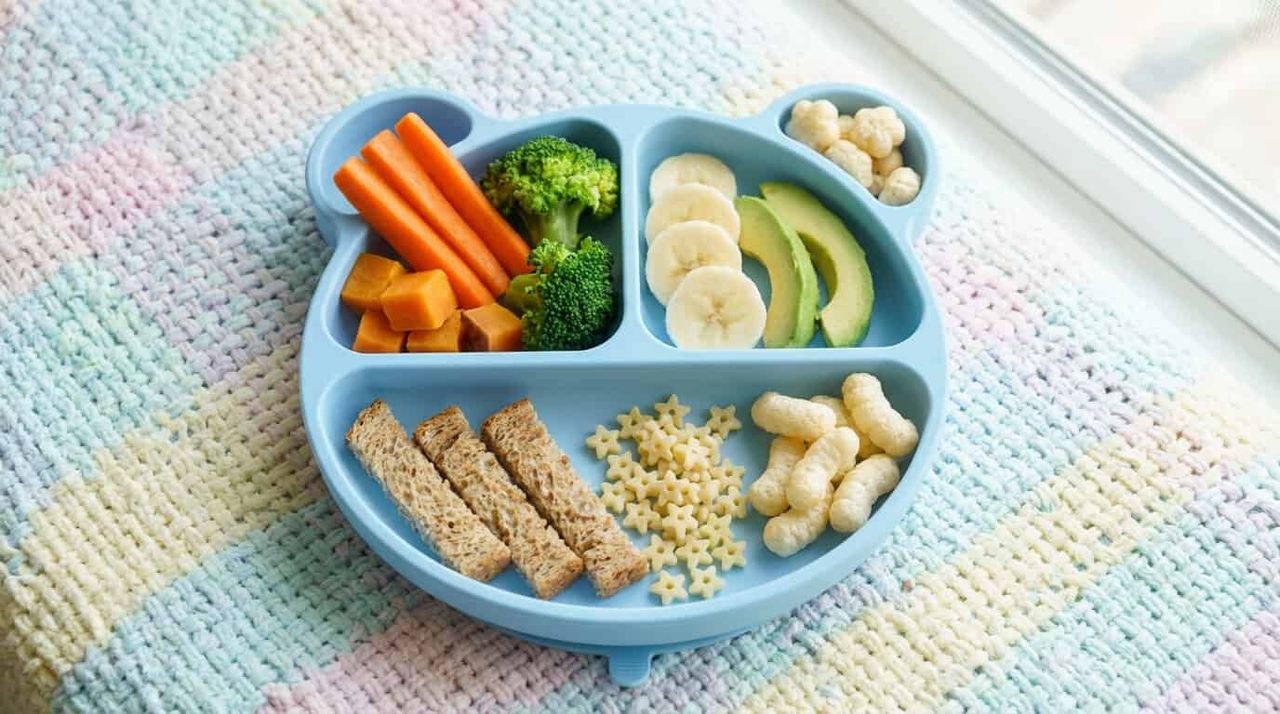
Key Takeaways
Introducing baby finger foods is one of the biggest milestones in your child's first year. Between 6 and 12 months, babies learn to grab, chew, and eat independently – as long as the readiness signs are there.
Beyond proper nutrition (especially iron), it's about preparing foods safely, offering age-appropriate shapes, and creating a relaxed eating atmosphere.
Introducing baby finger foods is an exciting moment – eating suddenly becomes tasting, touching, playing, and learning. This period usually happens between 6 and 12 months, but every baby grows at their own pace. What matters most is following your baby's readiness signs and offering foods in ways that are safe, soft, and supportive of their development.
Baby finger foods are not only about nutrition – they help babies practice chewing, develop hand-eye coordination, build independence, and enjoy the family table. This guide breaks down the key parts of the journey step by step.
How Do You Know Your Baby Is Ready for Finger Foods?
Babies do not all wake up ready at exactly 6 months. Some are ready earlier, others later. Look for a combination of these readiness signs:
1. Good Sitting Skills
Your baby should be able to sit in a high chair with little help. This keeps the airway safe and lets your baby focus on chewing and swallowing.
2. Strong Head Control
A steady head prevents accidental choking and allows the baby to lean forward for more food or turn away when full.
3. Interest in Food
Your baby may reach for your plate, watch you eat closely, or open their mouth when food approaches.
4. Loss of the Tongue-Thrust Reflex
This is the early reflex that makes babies push food back out with their tongue. Once it fades, your baby can move food from the front of the mouth to the back to swallow.
Learn more about the individual readiness signs for complementary feeding in our detailed guide.
How Babies Hold Food: From Palmar to Pincer Grasp
Understanding your baby's hand skills helps you choose the right baby finger foods and the right shapes.
6–7 Months: Palmar Grasp
Your baby grabs using the whole hand, like a scoop.
Best shape: Long strips as wide as two adult fingers
- ▸ Soft-cooked carrot strips
- ▸ Avocado spears
- ▸ Banana split lengthwise
- ▸ Soft sweet potato fries
9–10 Months: Pincer Grasp
Your baby pinches small items between the thumb and index finger.
Best shape: Pea-sized pieces
- ▸ Soft peas
- ▸ Small pieces of cooked chicken
- ▸ Small cubes of cheese
- ▸ Bite-size pasta
Why Baby Finger Foods Matter for Nutrition
Once babies pass 6 months, milk alone does not meet all their needs – especially iron, which is essential for brain development and energy.
Iron Needs Rise Steeply
Babies 7–12 months need about 11 mg of iron per day. Since their iron stores are running low, offering iron-rich finger foods becomes a priority.
Good iron-rich baby finger foods:
- ▸ Ground beef or turkey (well-cooked and soft)
- ▸ Shredded chicken
- ▸ Mashed beans or lentils
- ▸ Fortified cereals
- ▸ Soft cooked fish
Pairing plant foods with Vitamin C (like fruit or tomato) improves absorption. Learn more in our guide to solid foods for babies.
Healthy Fats Are Also Essential
The brain grows very fast during the first two years. Fats help support that growth.
Healthy fat-rich baby finger foods:
- ▸ Avocado
- ▸ Full-fat yogurt
- ▸ Cheese
- ▸ Salmon
- ▸ Chia or flax seeds (mixed into yogurt or oatmeal)
Track Every Finger Food and Reaction
Log which iron-rich foods your baby has tried and how they reacted in the Starting Solids app, so nothing important slips through the cracks.
How to Prepare Baby Finger Foods Safely
The biggest concern parents have when offering baby finger foods is choking. The good news is: when foods are prepared safely and babies are supervised, choking risk stays low.
The Squish Test
Press the food between your thumb and finger. If it squishes easily, it's safe.
That means it should be as soft as: a ripe banana, cooked sweet potato, soft-cooked pasta, or a ripe peach.
High-Risk Foods and How to Modify Them
-
⚠️
Round foods (grapes, cherry tomatoes, blueberries)
→ Cut lengthwise into quarters -
⚠️
Tube-shaped foods (hot dogs, sausages, string cheese)
→ Never cut into round coins – cut into thin strips instead -
⚠️
Hard, crunchy foods (raw carrots, raw apples, nuts)
→ Steam or cook until very soft. Avoid whole nuts entirely. -
⚠️
Sticky foods (peanut butter)
→ Spread thinly on toast or mix into yogurt
Understanding Gagging vs. Choking
This is one of the most stressful parts of feeding. But gagging is normal – and even helpful.
Gagging (normal):
- ✓ Loud – baby coughs or makes noise
- ✓ Face may turn red
- ✓ Airflow continues
- ✓ Baby is learning how to manage food
Choking (emergency):
- ✗ Silent – baby cannot breathe
- ✗ Face may turn blue
- ✗ Needs immediate help
Many parents feel safer after taking an infant first-aid class. Learn more about gagging in our guide: baby gagging during feeding.
Baby Finger Foods by Age: What Fits When?
6–7 Months
Long strips, very soft textures
- ▸ Sweet potato spears
- ▸ Avocado wedges
- ▸ Steamed carrot sticks
- ▸ Banana halves
- ▸ Broccoli florets
8–9 Months
Larger chunks, soft lumps in mashed foods
- ▸ Mashed beans
- ▸ Scrambled eggs
- ▸ Soft-cooked pasta
- ▸ Peaches or melon chunks
- ▸ Flaked fish
10–12 Months
Pea-sized shapes, more textured foods
- ▸ Tofu cubes
- ▸ Shredded chicken thigh
- ▸ Small meatballs
- ▸ Bite-sized omelet pieces
- ▸ Soft veggies and fruits in small cubes
Can Babies Eat Finger Foods Without Teeth?
Yes – absolutely. Chewing does not depend on front teeth. Babies use their gums, which are surprisingly strong.
Perfect for toothless eaters:
- ▸ Very ripe banana
- ▸ Soft pasta
- ▸ Steamed squash
- ▸ Scrambled eggs
Allergens: Why Early Introduction Matters
Experts now recommend introducing common allergens around 6 months.
Common early allergens:
- ▸ Peanut
- ▸ Egg
- ▸ Dairy
- ▸ Soy
- ▸ Fish
- ▸ Wheat
Introduce them one at a time and watch for reactions for 2–3 days. For high-risk infants (severe eczema or known allergies), talk with a doctor first. Safe ways to offer allergens: thin peanut butter on toast, scrambled eggs, yogurt, or soft-cooked flaky fish.
Baby Finger Food Meal Prep: Simple and Stress-Free
Many parents batch-cook baby finger foods to save time and reduce stress. Find more snack ideas in our BLW snacks and finger food guide.
-
▸
Muffins: Use eggs, veggies, oats, or fruit for soft, hand-held options.
-
▸
Veggie nuggets: Blended broccoli, lentils, or mixed veggies baked until soft.
-
▸
Meat options: Shredded chicken thighs cooked in a slow cooker, soft meatballs.
-
▸
Fish cakes: Salmon mixed with mashed sweet potato.
-
▸
Tofu cubes: Roasted or sautéed until lightly browned but still soft inside.
All these foods can be frozen for future meals.
Helping Your Baby Build a Healthy Relationship With Food
Eating is emotional as much as physical. Babies learn from what we do, not just what we serve.
-
✓
Offer variety early and often. It may take 10 or more tries for your baby to enjoy a new food.
-
✓
Eat together. Babies copy what they see. If you show enjoyment, they're more likely to try it.
-
✓
Avoid pressure. Your job is to offer healthy foods – your baby decides what and how much to eat.
Conclusion
Introducing baby finger foods is an exciting time filled with learning, tasting, exploring, and bonding. When you follow your baby's natural readiness signs, prepare foods safely, include iron-rich options, and embrace a variety of flavors, you help build a foundation for healthy eating that can last a lifetime.
Feeding should feel joyful – not stressful. With patience, supervision, and steady practice, your baby will go from palmar-grabbing soft strips to confidently picking up tiny bites and sharing meals with the whole family.