Potato for Babies
Baby Food Guide from 6 Months
Puree
6+
Months
BLW
6+
Months
Choking Hazard
Low
Allergen
No
Key Nutrients
Carbohydrates • Potassium • Vitamin C
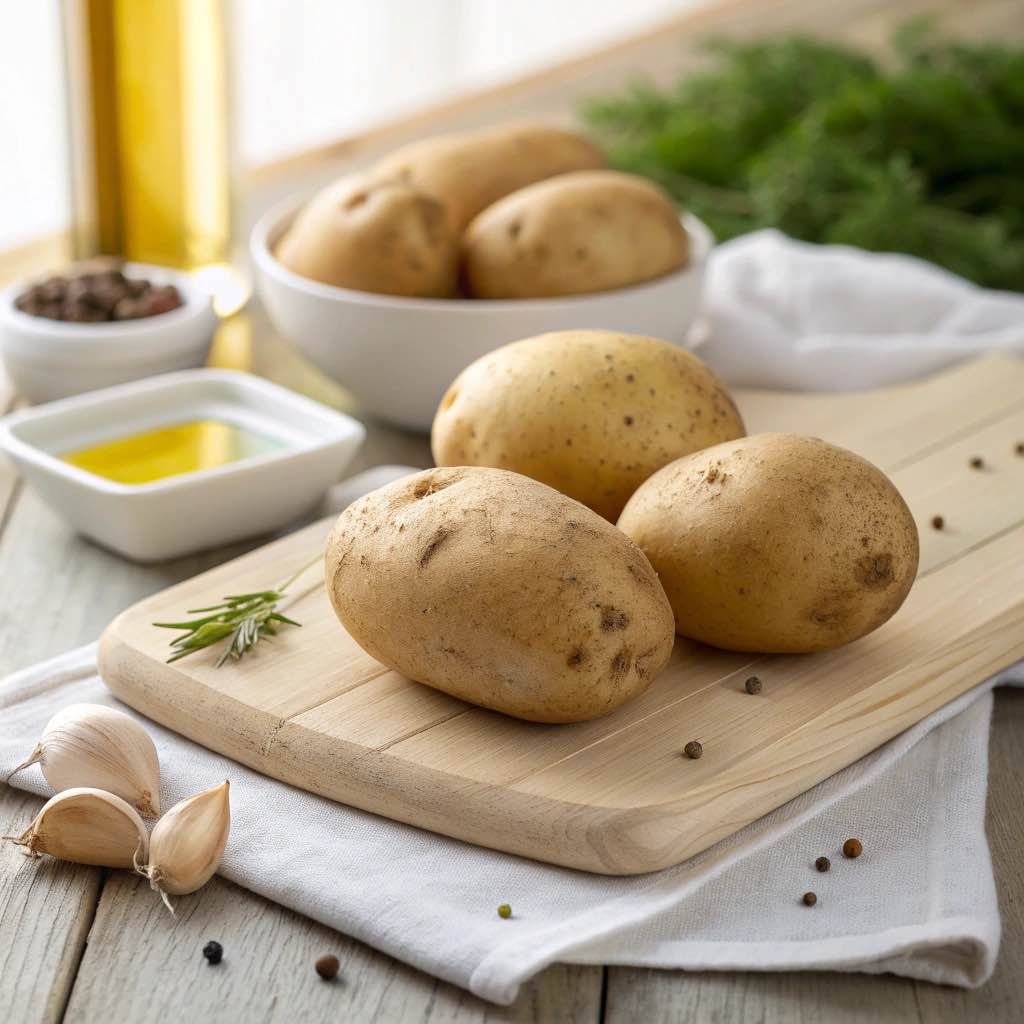
Can Babies Eat Potato?
Potatoes are a humble but genuinely useful first food: mild, a little sweet, and an easy source of steady energy while babies are growing fast. They're also more nutritious than people give them credit for, with a solid dose of vitamin C and more potassium than a banana, alongside vitamin B6 for a developing brain.
Texture-wise, potatoes are wonderfully flexible. Boiled and mashed, they're perfect for early spoon-feeding, and cooked into soft wedges, they become one of the easiest finger foods for a baby learning to self-feed. Because the flavor is so mild, potato also works well as a base for introducing new tastes like herbs or other vegetables without overwhelming a beginner palate. They aren't a common allergen and carry a low choking risk once properly softened.
One thing worth knowing: skip any potato with green-tinged skin or sprouts, since that signals solanine, a compound best avoided. Otherwise potatoes are about as forgiving a food as it gets, equally happy pureed, mashed, or cut into sticks.
Potato Baby Food: How to Prepare It
Puree from 6+ Months
Boil until tender, then mash smooth. Add breast milk, formula, or a little butter for creaminess.
BLW from 6+ Months
Thick wedges or small whole potatoes cooked soft. Mashed potato is great for spoon loading.
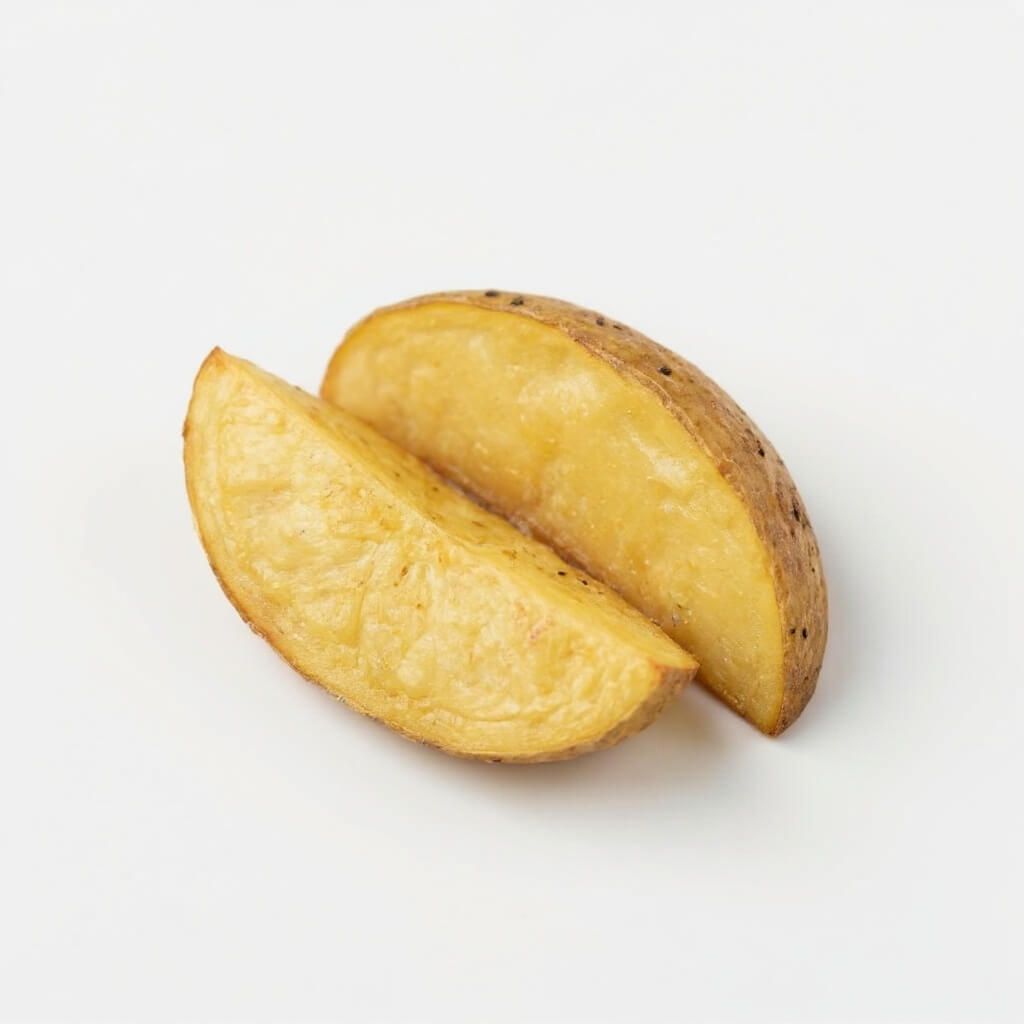
BLW from 9+ Months
Small pieces for self-feeding. Wedges still help with biting. Mash works too.
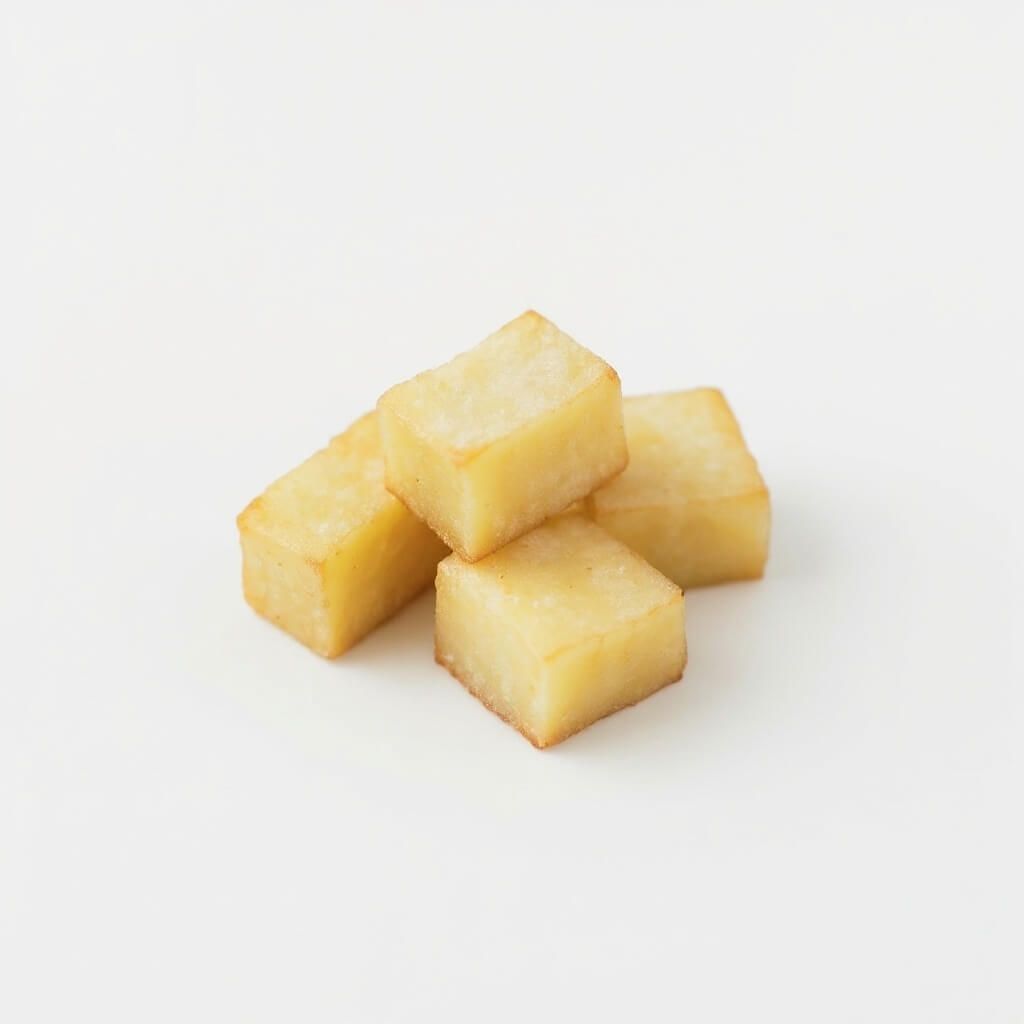
BLW from 12+ Months
Small pieces as finger food or loaded onto a fork.
Nutritional Benefits
Potatoes deliver energy-rich carbohydrates, heart-healthy potassium, and immune-supporting vitamins while offering versatile textures that help babies practice self-feeding skills at every stage.
Key Nutrients
Carbohydrates
Provide sustained energy for active babies and growth.
Potassium
Supports heart health, muscle function, and fluid balance.
Vitamin C
Boosts immune function and aids iron absorption from plant foods.
Vitamin B6
Supports brain development and nervous system function.
Fiber
Promotes digestive health and regularity.
Allergen & Choking Information
Not a Common Allergen
Potatoes are not a common allergen. Always cook until very soft. Remove any green portions (solanine). Wedges safer for young babies than small cubes.
Frequently Asked Questions
When can babies eat Potatoes?
Around 6 months
How do I prepare Potatoes puree for my baby?
Boil until tender, then mash smooth. Add breast milk, formula, or a little butter for creaminess.
What are the nutritional benefits of Potatoes?
Potatoes deliver energy-rich carbohydrates, heart-healthy potassium, and immune-supporting vitamins while offering versatile textures that help babies practice self-feeding skills at every stage.
Sources & Related Resources
External Sources
Get Personalized Guidance for Every Feeding Stage
Download the Grubsy app to track meals, get tailored recommendations, and explore foods like Potato plus hundreds more, all in one place.
Disclaimer: This information is for educational purposes only and does not replace professional medical advice.