Oatmeal for Babies
Baby Food Guide from 6 Months
Puree
6+
Months
BLW
6+
Months
Choking Hazard
Low
Allergen
Yes
Key Nutrients
Iron • Fiber • Protein
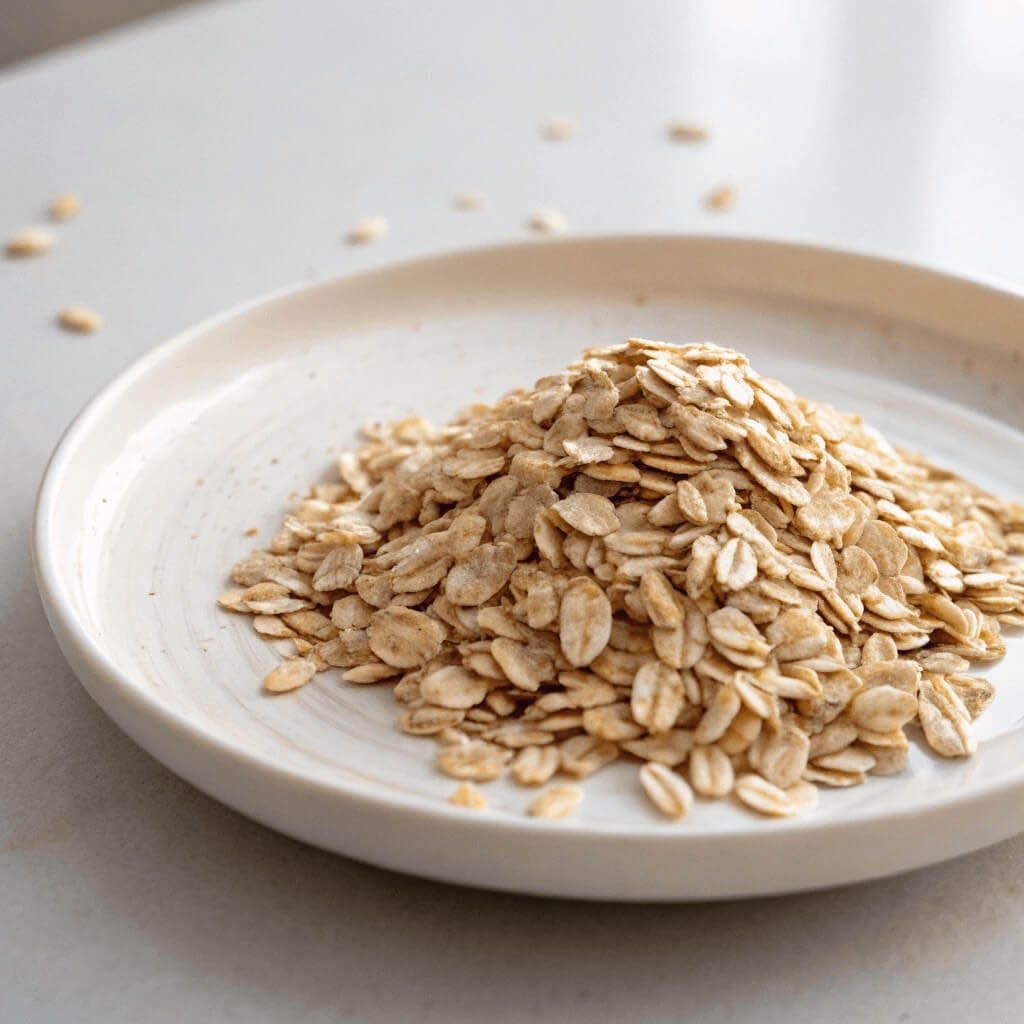
Can Babies Eat Oatmeal?
Oatmeal is often one of the first grains babies try, and for good reason: iron-fortified baby oatmeal helps fill the iron gap that opens up around 6 months, right when a baby's newborn iron stores start running low. It also brings soluble fiber, B vitamins, and plant protein in a texture that's gentle on a brand-new digestive system, and it's quick enough to make with just water, breast milk, or formula.
Its main strength is versatility. Oats are naturally mild, so oatmeal works as a blank canvas, thin and smooth for a first try, then thicker with soft lumps as babies get better at chewing, stirred with mashed banana, pureed vegetables, or nut butter for variety. The same basic batch can move from breakfast bowl to muffin batter with barely any extra effort.
Oats themselves aren't a common allergen, but they're often cross-contaminated with gluten during processing, so choose certified gluten-free oats if your baby has a gluten sensitivity or celiac disease. Otherwise, oatmeal is about as low-risk a first grain as they come.
Oatmeal Baby Food: How to Prepare It
Puree from 6+ Months
Cook oats in water, formula, or breast milk until very soft. Blend to a smooth, thin consistency for first tastes. Gradually thicken as baby adapts to the texture. Add mashed fruits like banana or apple for natural sweetness and flavor variety.
BLW from 6+ Months
Thicken the texture slightly by using less liquid. Allow baby to scoop thick oatmeal with hands for sensory exploration or offer on pre-loaded spoons to practice self-feeding. The thicker consistency helps develop oral motor skills.
BLW from 9+ Months
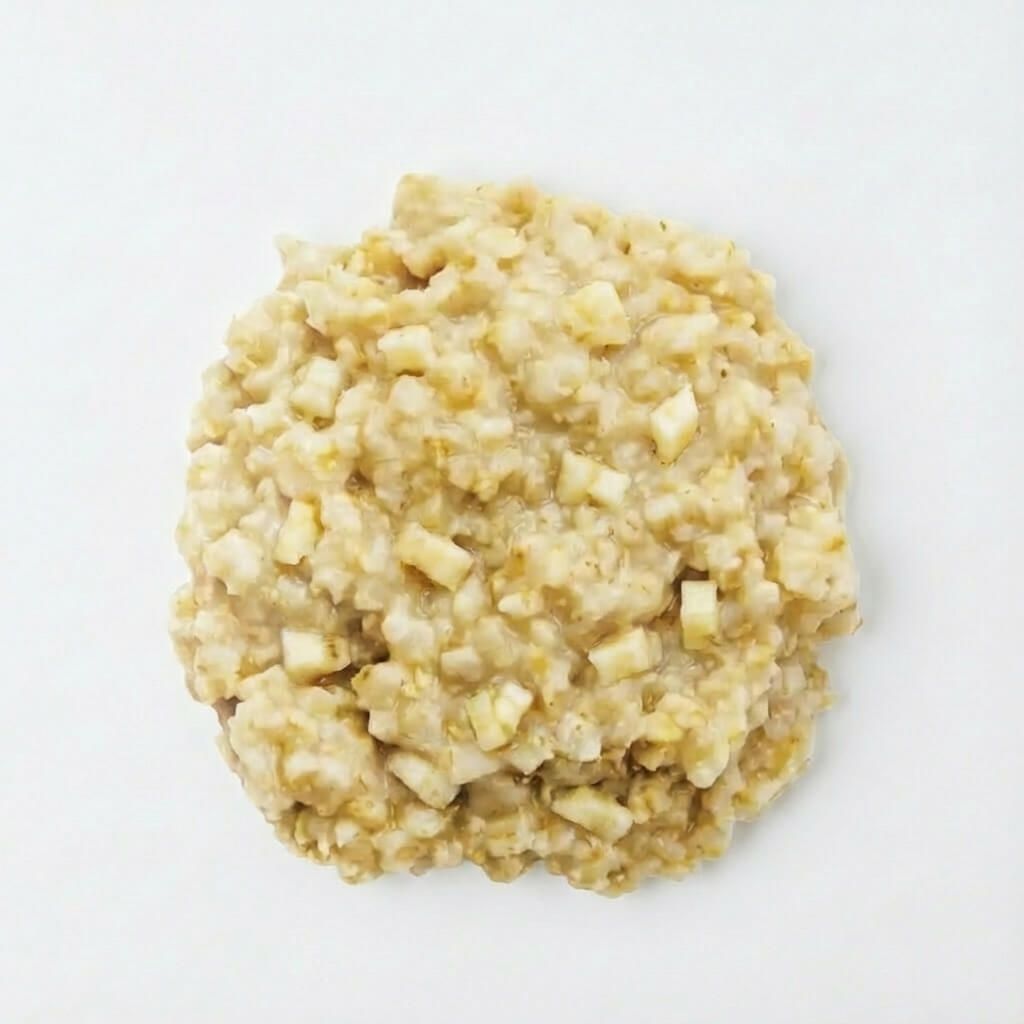
Add soft fruit or vegetable chunks like cooked apple, pear, or mashed berries to the oatmeal to build texture variety and chewing skills. Can also stir in nut butters for protein or mix with yogurt for probiotics.
BLW from 12+ Months
Serve oatmeal with chopped fresh fruits, yogurt, nut butter, or seeds for a hearty, nutritious breakfast. Can also form cooled oatmeal into balls for finger food practice or bake into oat muffins for variety.
Nutritional Benefits
Oatmeal provides essential nutrients for growth and is one of the most versatile baby breakfast options. Iron-fortified varieties help prevent anemia during crucial development periods.
Key Nutrients
Iron
Supports brain development and prevents anemia.
Fiber
Promotes digestion and gut health.
Protein
Aids growth and muscle development.
B Vitamins
Support energy metabolism.
Magnesium
Supports nerve and bone health.
Allergen & Choking Information
Common Allergen
Oats may contain gluten through cross-contamination. Choose certified gluten-free oats if your baby has gluten sensitivity or celiac disease.
Frequently Asked Questions
When can babies eat Oatmeal?
Around 6 months
How do I prepare Oatmeal puree for my baby?
Cook oats in water, formula, or breast milk until very soft. Blend to a smooth, thin consistency for first tastes. Gradually thicken as baby adapts to the texture. Add mashed fruits like banana or apple for natural sweetness and flavor variety.
What are the nutritional benefits of Oatmeal?
Oatmeal provides essential nutrients for growth and is one of the most versatile baby breakfast options. Iron-fortified varieties help prevent anemia during crucial development periods.
Sources & Related Resources
External Sources
Get Personalized Guidance for Every Feeding Stage
Download the Grubsy app to track meals, get tailored recommendations, and explore foods like Oatmeal plus hundreds more, all in one place.
Disclaimer: This information is for educational purposes only and does not replace professional medical advice.