Peas for Babies
Baby Food Guide from 6 Months
Puree
6+
Months
BLW
6+
Months
Choking Hazard
Moderate
Allergen
No
Key Nutrients
Protein • Iron • Vitamin C
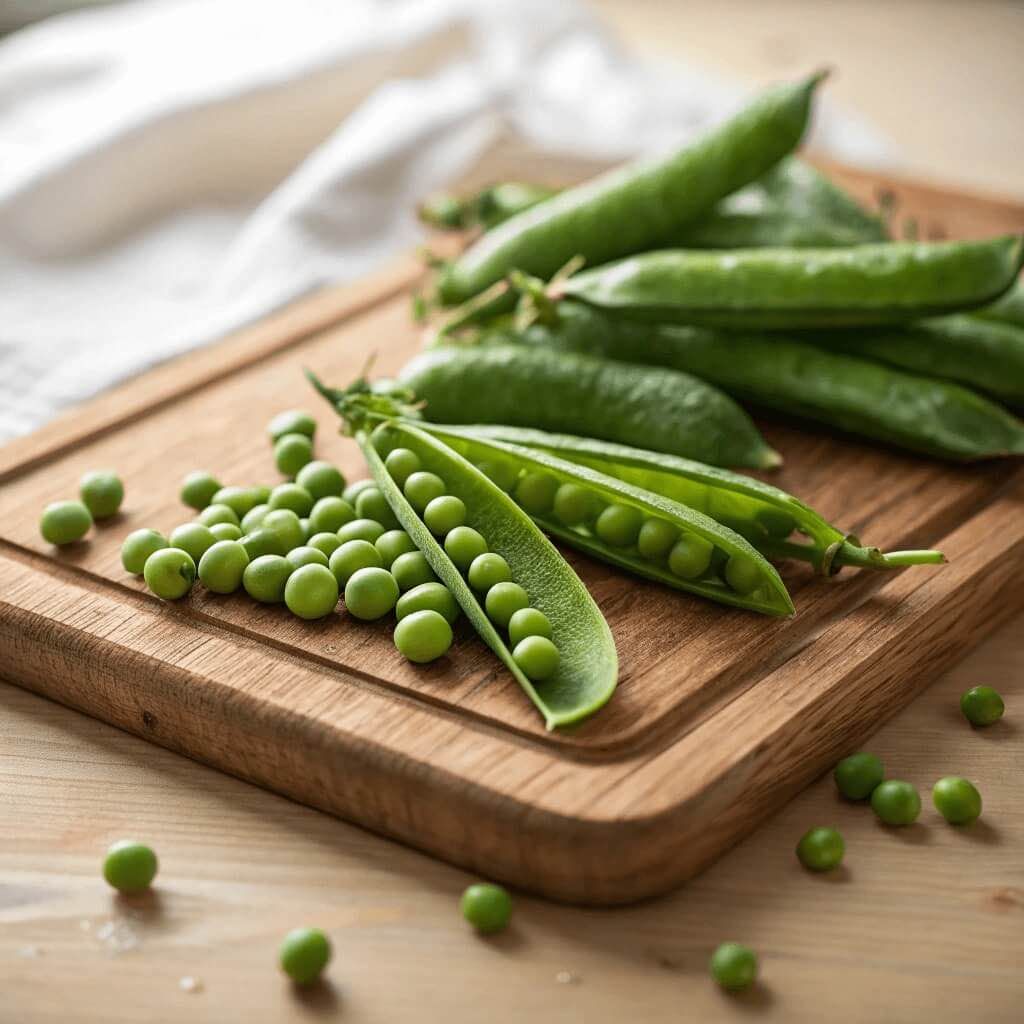
Can Babies Eat Peas?
Peas are one of the few vegetables that taste genuinely sweet, which is a big part of why babies take to them so easily. They bring real nutrition too: plant protein and iron for growth, fiber for digestion, vitamin K for healthy bones, and vitamin C to help absorb that iron.
Frozen peas work just as well as fresh, since they're flash-frozen at peak ripeness and are often easier to find and cheaper than fresh peas out of season. Once cooked soft, their small round shape makes them one of the best foods for practicing the pincer grasp around 9 months, though younger babies need them mashed or squashed flat first to prevent choking.
That bright green color also does some quiet work of its own, making a plate look more interesting and helping babies build positive associations with green vegetables early on. Peas mix easily into rice, pasta, or a puree, so they rarely need to be a whole separate dish on their own.
Peas Baby Food: How to Prepare It
Puree from 6+ Months
Cook fresh or frozen peas until very soft, then puree until smooth. Can mix with other vegetables or use as a spread for teething rusks.
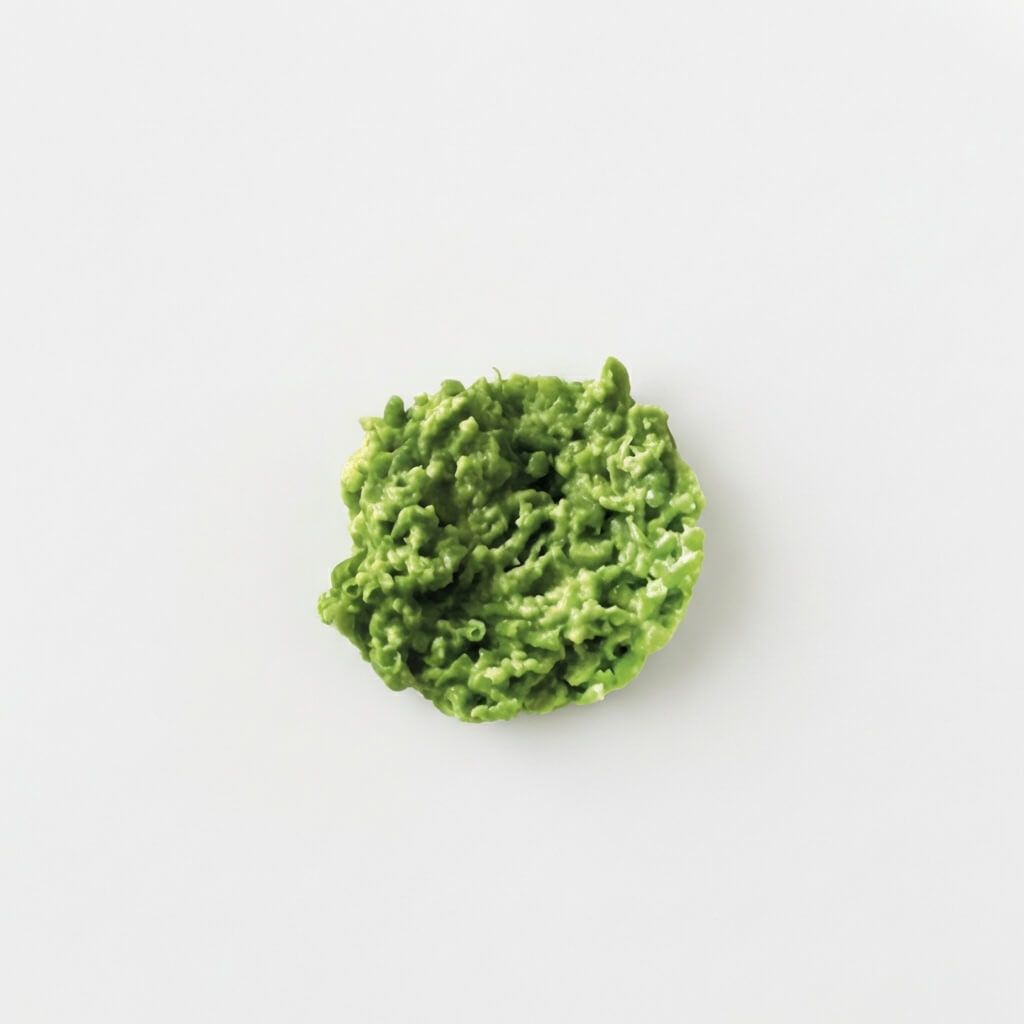
BLW from 6+ Months
Blend cooked peas into smooth spread for teething rusks or toast, or let baby hand-scoop. Flatten cooked peas with fork back before serving in family meals.
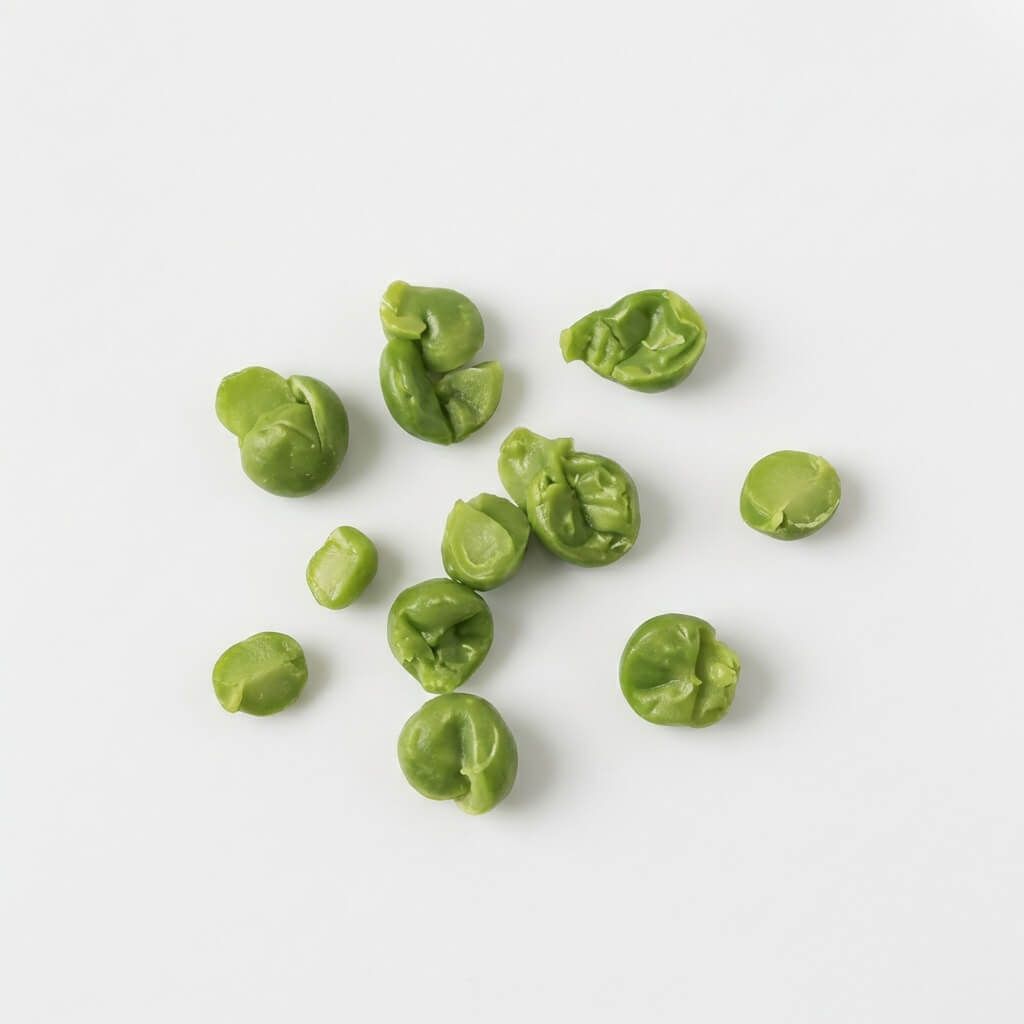
BLW from 9+ Months
Cooked peas split in half if whole ones seem too large - perfect pincer grasp practice.
BLW from 12+ Months
Whole cooked peas as finger food once comfortable with safety. Encourage fork practice by spearing peas.
Nutritional Benefits
Peas provide balanced plant protein, iron, and fiber that support digestive health, muscle development, and overall growth. Their natural sweetness makes vegetables more appealing to babies.
Key Nutrients
Protein
Supports muscle growth and repair.
Iron
Essential for healthy blood and brain development.
Vitamin C
Boosts immunity and enhances iron absorption.
Fiber
Aids digestion and prevents constipation.
Vitamin K
Promotes strong bones and proper blood clotting.
Allergen & Choking Information
Not a Common Allergen
Peas are rarely allergenic but whole peas are choking hazards for babies under 9 months. Always flatten, mash, or puree them before serving to reduce choking risk.
Frequently Asked Questions
When can babies eat Peas?
Around 6 months (well-cooked or pureed)
How do I prepare Peas puree for my baby?
Cook fresh or frozen peas until very soft, then puree until smooth. Can mix with other vegetables or use as a spread for teething rusks.
What are the nutritional benefits of Peas?
Peas provide balanced plant protein, iron, and fiber that support digestive health, muscle development, and overall growth. Their natural sweetness makes vegetables more appealing to babies.
Sources & Related Resources
Get Personalized Guidance for Every Feeding Stage
Download the Grubsy app to track meals, get tailored recommendations, and explore foods like Peas plus hundreds more, all in one place.
Disclaimer: This information is for educational purposes only and does not replace professional medical advice.