Carrot for Babies
Baby Food Guide from 6 Months
Puree
6+
Months
BLW
6+
Months
Choking Hazard
High (raw); Low (cooked soft)
Allergen
No
Key Nutrients
Vitamin A (Beta-Carotene) • Vitamin K • Potassium

Can Babies Eat Carrot?
Carrots are one of the most popular first vegetables, and it's easy to see why: they're naturally sweet, which helps build a positive association with vegetables from the very first bite. Their bright orange color comes from beta-carotene, which the body turns into vitamin A for vision and immune health, alongside vitamin K, potassium, and fiber.
Beyond the familiar orange, carrots also come in purple, yellow, and white varieties, all with similar nutrition if you want more color on the plate. Cooked, they turn tender and mild, taking on a natural sweetness that pairs well with almost any other food, savory or plain. That mild sweetness is also why carrot puree is such a common combination food, since it makes stronger flavors like broccoli or spinach more approachable.
Raw carrot is a well-known choking hazard and should never be given to a baby or young toddler. Always cook carrots until they mash easily between your fingers, since that softness, not the size of the piece, is what actually makes them safe.
Carrot Baby Food: How to Prepare It
Puree from 6+ Months
Steam or boil until soft, then blend smooth with a bit of cooking water. Mix with other veggies if desired for variety.
BLW from 6+ Months
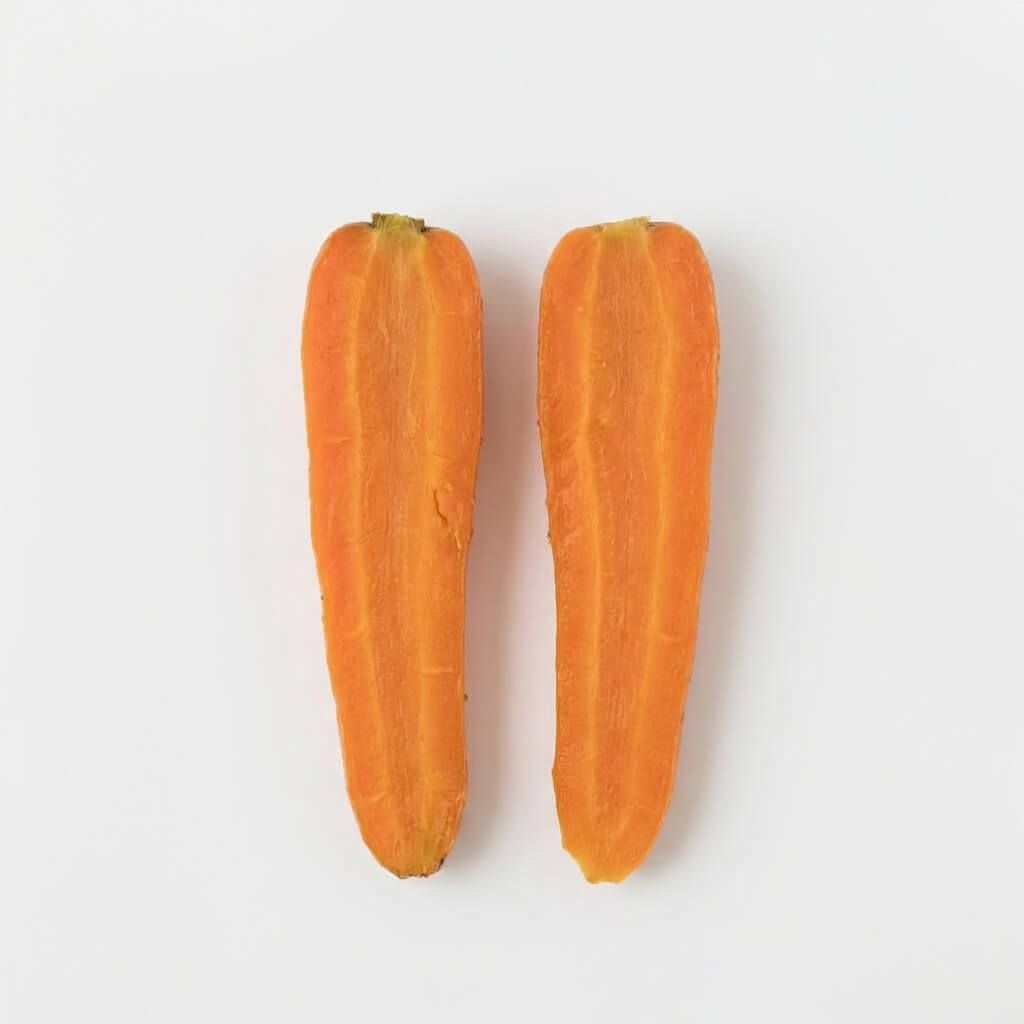
Cooked carrot split lengthwise for easy grasping, or mash for spoon feeding. Must be very soft.
BLW from 9+ Months
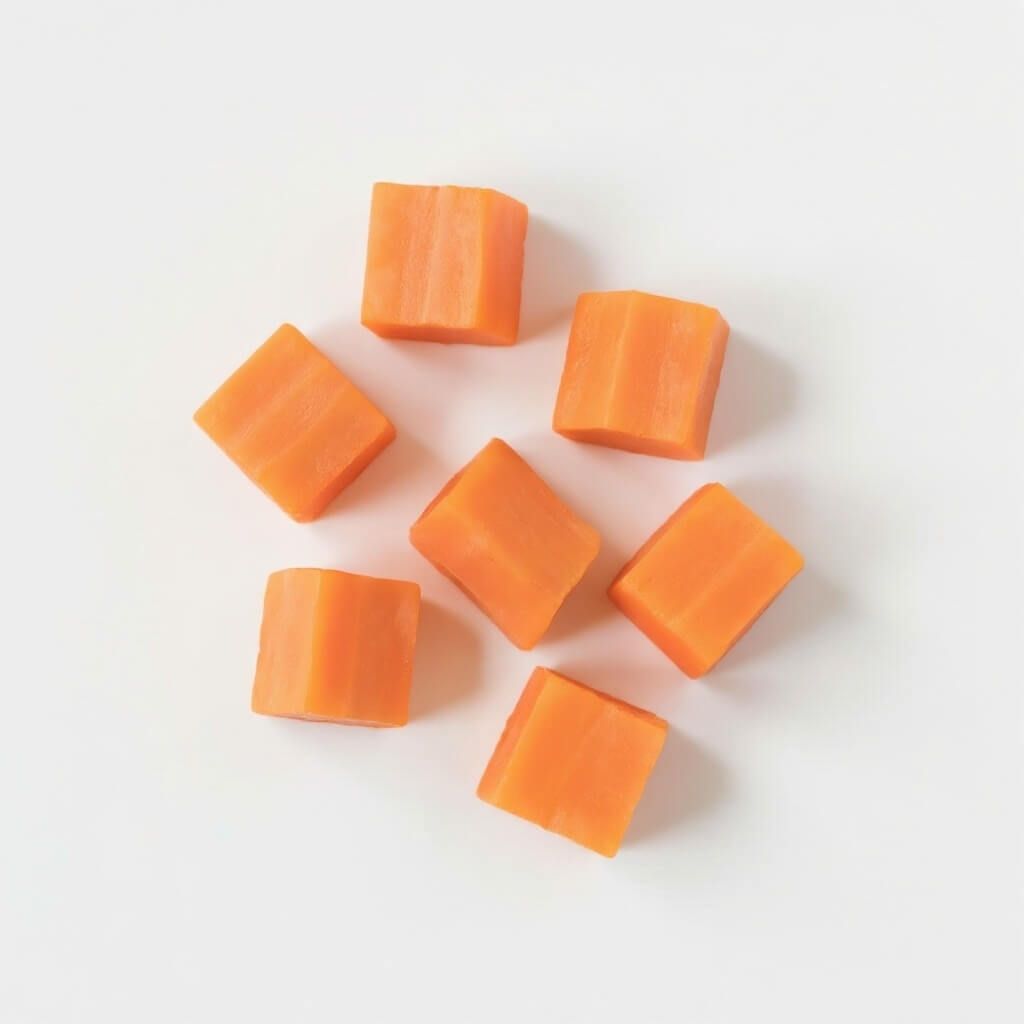
Small cooked pieces for practicing pincer grip. Offer finely shredded raw carrot mixed into other foods.
Nutritional Benefits
Carrots deliver exceptional vitamin A, fiber, and natural sweetness while supporting vision development, immune health, and creating positive vegetable acceptance from an early age.
Key Nutrients
Vitamin A (Beta-Carotene)
Essential for vision, immune function, and healthy skin development.
Vitamin K
Supports blood clotting and bone health.
Potassium
Promotes heart health and muscle function.
Fiber
Aids digestive health and promotes regularity.
Vitamin C
Boosts immune function and enhances iron absorption.
Allergen & Choking Information
Not a Common Allergen
Carrots are not a common allergen. Never serve raw carrots to young children—major choking hazard. Always cook until very soft. Test by mashing between fingers before serving. Cooked carrot sticks lengthwise safer than rounds.
Frequently Asked Questions
When can babies eat Carrots?
Around 6 months (when cooked until very soft)
How do I prepare Carrots puree for my baby?
Steam or boil until soft, then blend smooth with a bit of cooking water. Mix with other veggies if desired for variety.
What are the nutritional benefits of Carrots?
Carrots deliver exceptional vitamin A, fiber, and natural sweetness while supporting vision development, immune health, and creating positive vegetable acceptance from an early age.
Sources & Related Resources
External Sources
Get Personalized Guidance for Every Feeding Stage
Download the Grubsy app to track meals, get tailored recommendations, and explore foods like Carrot plus hundreds more, all in one place.
Disclaimer: This information is for educational purposes only and does not replace professional medical advice.