Broccoli for Babies
Baby Food Guide from 6 Months
Puree
6+
Months
BLW
6+
Months
Choking Hazard
Moderate
Allergen
No
Key Nutrients
Vitamin C • Vitamin K • Folate
Can Babies Eat Broccoli?
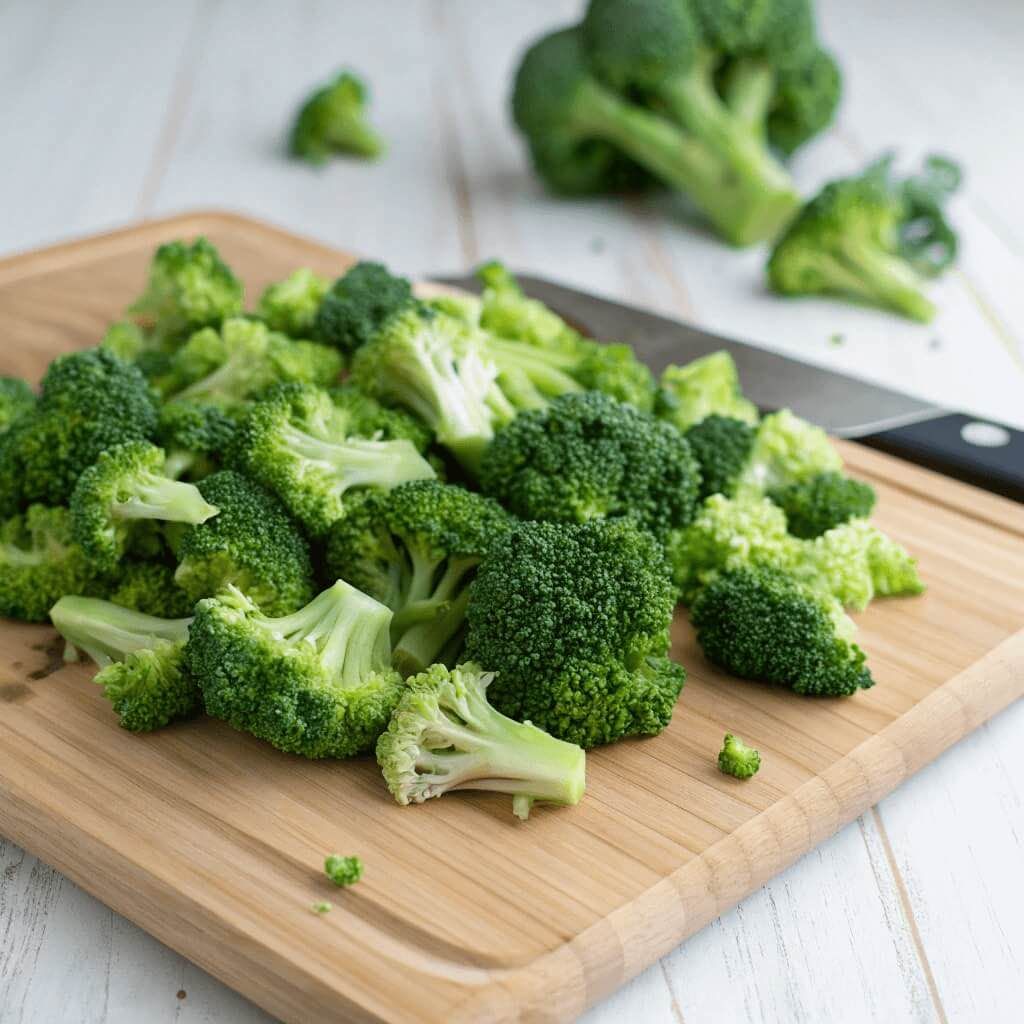
Broccoli packs a genuinely useful mix of nutrients into one green vegetable: vitamin C, vitamin K, folate, and calcium, more than most single vegetables manage at once, even in a small serving. Its tree-shaped florets are also a happy accident for babies, since the shape gives small hands something natural to grip.
That makes broccoli equally good pureed or offered whole as an early finger food once it's cooked soft. Unlike some vegetables, it holds its shape well after cooking instead of turning to mush, which helps with self-feeding. Cooked broccoli turns mild and slightly sweet, though some babies need to meet it a few times before they warm up to it, especially mixed with a naturally sweet vegetable like carrot or sweet potato.
Broccoli isn't a common allergen, but it can cause some gas in a few babies. Stems should be well softened or sliced lengthwise so every piece stays easy and safe to gum.
Broccoli Baby Food: How to Prepare It
Puree from 6+ Months
Steam broccoli florets until very tender, then puree with cooking water, breast milk, or formula until smooth. You can mix with other vegetables like sweet potato or carrots for added flavor balance and nutritional variety.
BLW from 6+ Months
Offer large steamed florets with crowns about 2-3 inches that baby can hold easily. Steam until tender but firm enough for baby's tongue to push out if needed. Cut the stem lengthwise so it's not round to reduce choking risk.
BLW from 9+ Months
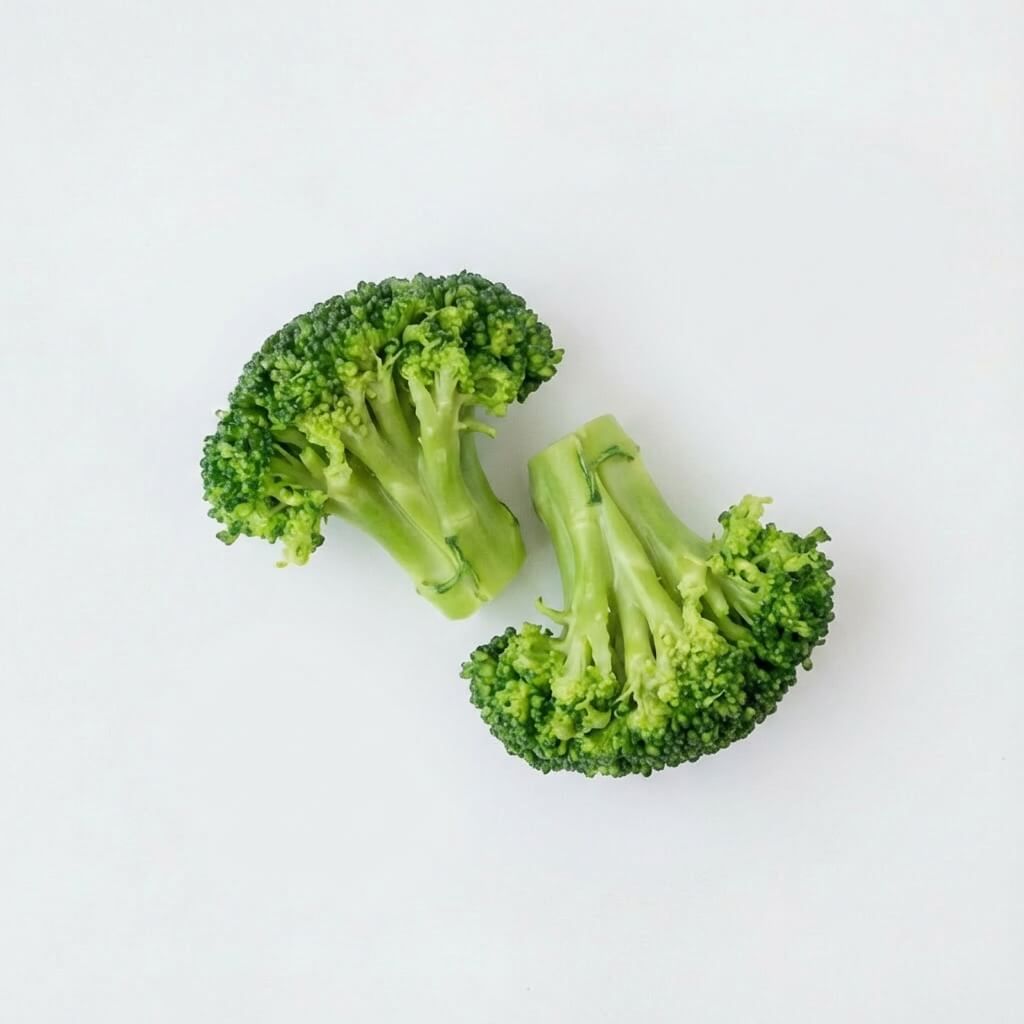
Offer small steamed floret pieces broken into pincer grasp-sized portions for fine motor practice. You can also continue offering large florets for biting and chewing practice to develop jaw strength.
BLW from 12+ Months
Continue offering steamed florets as desired, either as a side dish or part of family meals. Pre-load a fork with pieces for utensil practice, and gradually decrease cooking time as chewing skills develop.
Nutritional Benefits
Broccoli is a powerhouse of nutrients, supporting bone growth, immunity, and digestion—making it a top vegetable choice for babies. Its antioxidants help protect developing cells.
Key Nutrients
Vitamin C
Supports immune system and iron absorption.
Vitamin K
Essential for blood clotting and bone strength.
Folate
Supports healthy cell growth and brain development.
Fiber
Aids digestion and prevents constipation.
Calcium
Contributes to bone and teeth development.
Allergen & Choking Information
Not a Common Allergen
Broccoli is not a common allergen but can cause gas in some babies. Serve only well-cooked, soft florets. Remove long stems or slice them lengthwise to reduce choking risk.
Frequently Asked Questions
When can babies eat Broccoli?
Around 6 months (when cooked until very soft)
How do I prepare Broccoli puree for my baby?
Steam broccoli florets until very tender, then puree with cooking water, breast milk, or formula until smooth. You can mix with other vegetables like sweet potato or carrots for added flavor balance and nutritional variety.
What are the nutritional benefits of Broccoli?
Broccoli is a powerhouse of nutrients, supporting bone growth, immunity, and digestion—making it a top vegetable choice for babies. Its antioxidants help protect developing cells.
Sources & Related Resources
Get Personalized Guidance for Every Feeding Stage
Download the Grubsy app to track meals, get tailored recommendations, and explore foods like Broccoli plus hundreds more, all in one place.
Disclaimer: This information is for educational purposes only and does not replace professional medical advice.