Wheat for Babies
Baby Food Guide from 6 Months
Puree
6+
Months
BLW
6+
Months
Choking Hazard
Low
Allergen
Yes
Key Nutrients
Carbohydrates • Fiber • B Vitamins
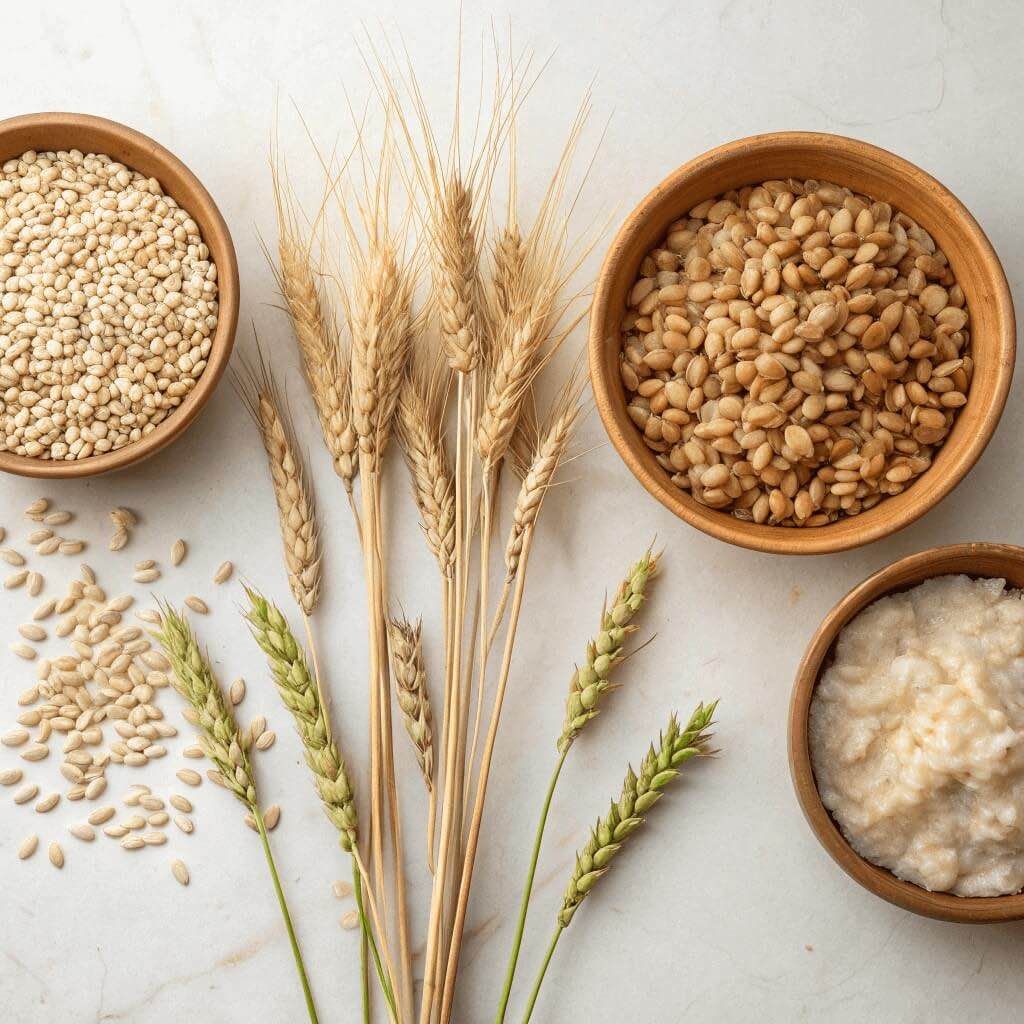
Can Babies Eat Wheat?
Wheat shows up everywhere in family food, in bread, pasta, cereal, and baked goods, which is exactly why current guidance favors introducing it early rather than avoiding it. Delaying wheat doesn't protect against celiac disease or a wheat allergy, and some research suggests early exposure may actually lower the risk. Getting it into the rotation around 6 months also means one less food to introduce later.
Whole wheat brings more to the table than refined white flour, including fiber and B vitamins that support digestion and energy, plus a mild, faintly sweet taste that most babies accept easily. It's also flexible: soft porridge works for early purees, toast strips for self-feeding, and pasta for practicing new textures as a baby grows.
Wheat contains gluten, a common allergen, so it's introduced in small amounts at first while watching how a baby responds. Families with a history of celiac disease may want to talk timing through with their pediatrician.
Wheat Baby Food: How to Prepare It
Puree from 6+ Months
Cook wheat cereal or porridge with extra liquid until very soft and smooth. Can mix with pureed fruits or vegetables for added nutrition.
BLW from 6+ Months
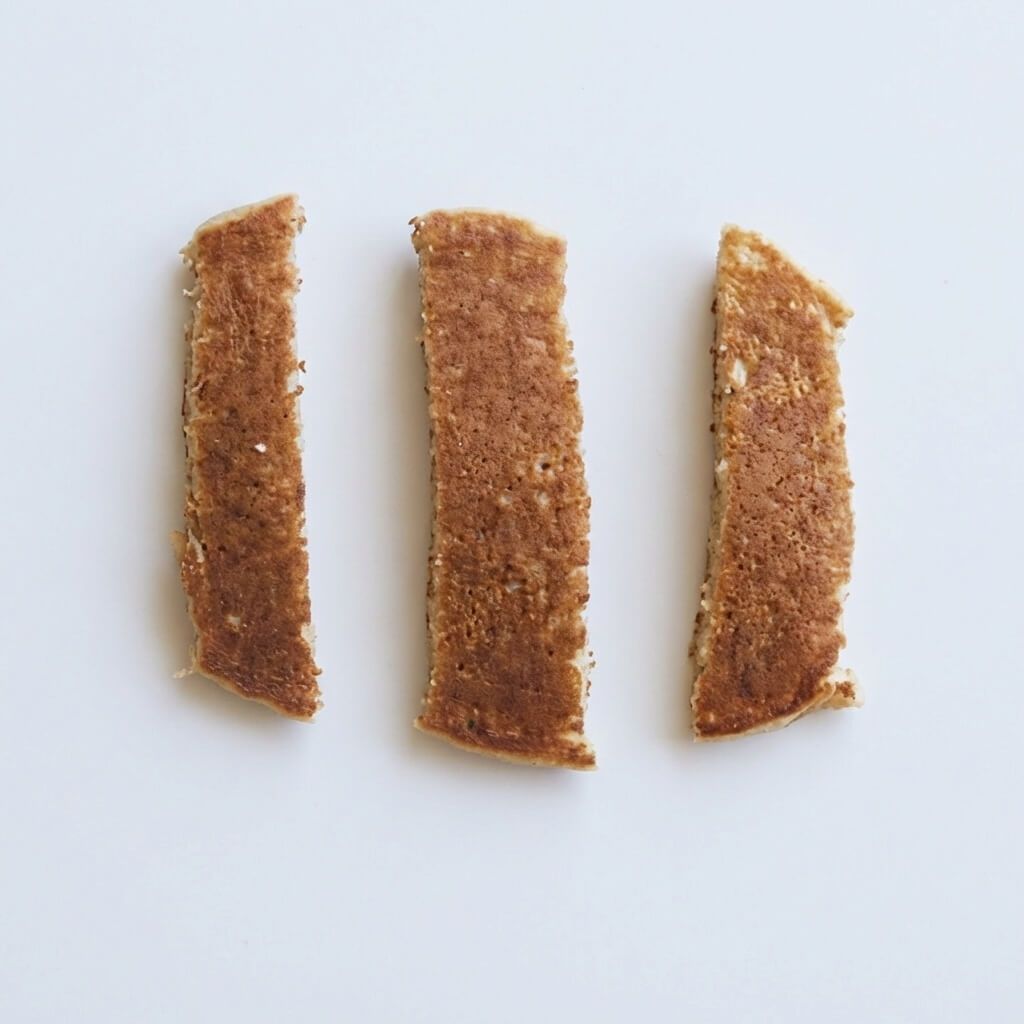
Wheat porridge or baby cereal cooked until soft. Wheat flour pancakes, breads, or wheat-based pasta are all great options.
BLW from 9+ Months
Continue porridges and pancakes, offering bite-sized pieces perfect for pincer grasp practice.
BLW from 12+ Months
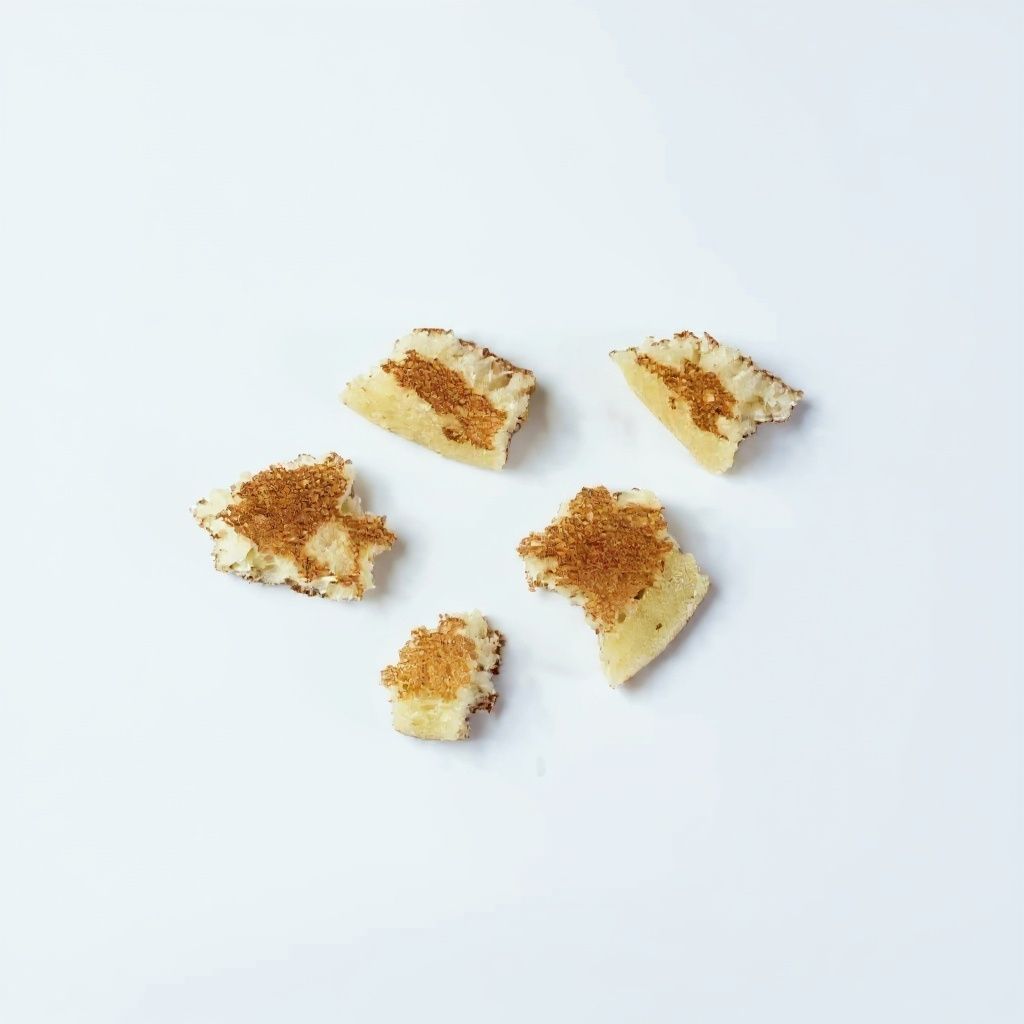
Baked goods like muffins and breads are wonderful. Encourage utensil use, though finger feeding is still normal.
Nutritional Benefits
Wheat products like cereals, bread, and pasta offer balanced nutrition and texture exposure for babies transitioning to family foods. Whole wheat provides more fiber and nutrients.
Key Nutrients
Carbohydrates
Provide energy for growth and play.
Fiber
Supports digestion and gut health.
B Vitamins
Aid metabolism and brain function.
Iron
Supports cognitive and physical development.
Protein
Contributes to muscle growth and repair.
Allergen & Choking Information
Common Allergen
Wheat contains gluten, a known allergen. Introduce small amounts gradually and watch for reactions like rashes, digestive issues, or respiratory symptoms. Consult pediatrician if family history of celiac disease.
Frequently Asked Questions
When can babies eat Wheat?
Around 6 months (once solids are well tolerated)
How do I prepare Wheat puree for my baby?
Cook wheat cereal or porridge with extra liquid until very soft and smooth. Can mix with pureed fruits or vegetables for added nutrition.
What are the nutritional benefits of Wheat?
Wheat products like cereals, bread, and pasta offer balanced nutrition and texture exposure for babies transitioning to family foods. Whole wheat provides more fiber and nutrients.
Sources & Related Resources
Get Personalized Guidance for Every Feeding Stage
Download the Grubsy app to track meals, get tailored recommendations, and explore foods like Wheat plus hundreds more, all in one place.
Disclaimer: This information is for educational purposes only and does not replace professional medical advice.