Turkey for Babies
Baby Food Guide from 6 Months
Puree
6+
Months
BLW
6+
Months
Choking Hazard
Moderate
Allergen
No
Key Nutrients
Protein • Iron • Zinc
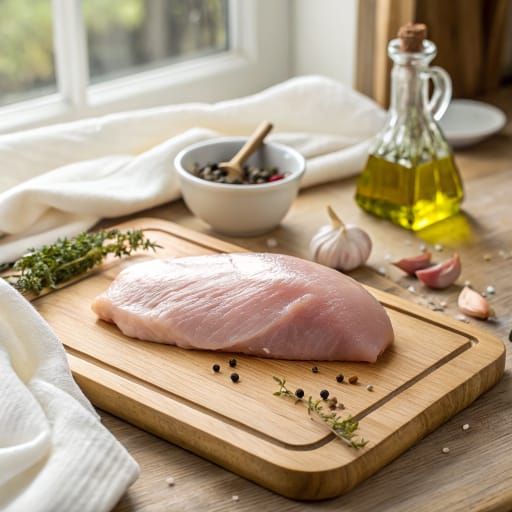
Can Babies Eat Turkey?
Turkey is a lean, mild poultry that makes an easy early protein, similar to chicken but with dark meat, the thigh and leg, that stays noticeably moister than the breast. It delivers protein, iron, zinc, and B vitamins right when a baby's birth iron stores start running low around six months, making it one of the more efficient ways to support healthy blood and brain development.
Turkey isn't a common allergen, so there's no special introduction protocol. The practical thing to watch is dryness: turkey breast turns stringy if it's even slightly overcooked, and dry meat is genuinely harder for a baby to manage than moist meat. Favoring dark meat and adding broth, milk, or a vegetable puree keeps it soft enough for little mouths.
Turkey's mild flavor pairs naturally with root vegetables, leafy greens, and grains like rice or oats. Because it's leaner than some other meats, cooking it with a bit of healthy fat, like olive oil or avocado, helps a baby absorb more nutrients from the rest of the meal.
Turkey Baby Food: How to Prepare It
Puree from 6+ Months
Cook turkey (dark meat is moistest) fully through, then blend with cooking broth, breast milk, or formula until smooth. Ground turkey stirred into a vegetable puree also works well.
BLW from 6+ Months
Offer long, flat strips of well-cooked turkey with all bone and skin removed, or fold shredded or ground turkey into a soft mashed vegetable. Keep the meat moist and avoid overcooking, which dries it out.
BLW from 9+ Months
Serve shredded turkey, thin slices, or bite-sized pieces of soft turkey meatball once the pincer grasp emerges, giving little fingers practice picking up small amounts.
BLW from 12+ Months
Offer bite-sized turkey pieces as finger food, or ground turkey cooked with grains and vegetables. Confident eaters can try gnawing meat straight from a drumstick under supervision.
Nutritional Benefits
Turkey delivers concentrated protein and easily absorbed heme iron in a mild, tender package, making it an efficient way to support a baby's rapid growth and rising iron needs after 6 months.
Key Nutrients
Protein
Builds muscle and supports rapid growth during infancy.
Iron
Replenishes stores that dip around 6 months and supports brain development.
Zinc
Supports immune function and wound healing.
Vitamin B6
Aids brain development and energy metabolism.
Niacin
Helps convert food into usable energy.
Allergen & Choking Information
Not a Common Allergen
Turkey is not a common allergen, but it must be cooked fully through and kept moist. Dry, stringy turkey breast is harder for babies to chew and swallow safely, so favor dark meat or add extra moisture when cooking.
Frequently Asked Questions
When can babies eat Turkey?
Around 6 months (fully cooked and pureed or shredded)
How do I prepare Turkey puree for my baby?
Cook turkey (dark meat is moistest) fully through, then blend with cooking broth, breast milk, or formula until smooth. Ground turkey stirred into a vegetable puree also works well.
What are the nutritional benefits of Turkey?
Turkey delivers concentrated protein and easily absorbed heme iron in a mild, tender package, making it an efficient way to support a baby's rapid growth and rising iron needs after 6 months.
Sources & Related Resources
Get Personalized Guidance for Every Feeding Stage
Download the Grubsy app to track meals, get tailored recommendations, and explore foods like Turkey plus hundreds more, all in one place.
Disclaimer: This information is for educational purposes only and does not replace professional medical advice.