Tuna for Babies
Baby Food Guide from 6 Months
Puree
6+
Months
BLW
6+
Months
Choking Hazard
Low
Allergen
Yes
Key Nutrients
Protein • Iron • Omega-3 Fatty Acids
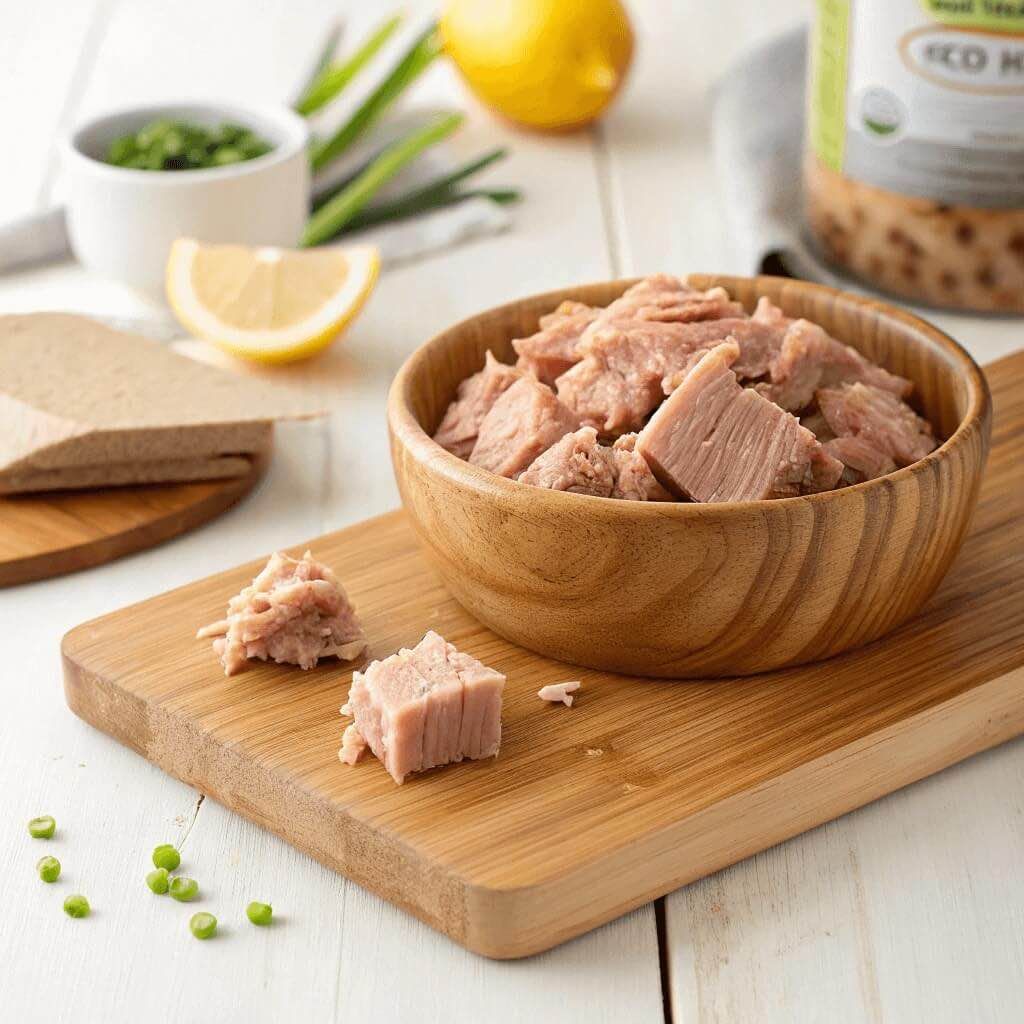
Can Babies Eat Tuna?
Tuna is a convenient way to get omega-3s, iron, and vitamin D into a baby's diet straight from a pantry can, with no cooking required beyond draining it. The soft, flaky texture mashes easily and mixes well with avocado or sweet potato for babies still working up to finger foods. Most babies take to the mild flavor quickly, especially paired with something naturally sweet or creamy.
The tradeoff is mercury. Light tuna, usually skipjack, carries much less mercury than albacore, which is why it's the version recommended for babies. Even so, it's meant to be an occasional food rather than a daily one, generally capped at one or two servings a week alongside other low-mercury fish like salmon or cod.
Fish is a common allergen, so tuna is usually introduced in a small amount at first while watching for any reaction. Once that goes well, it settles easily into the weekly rotation.
Tuna Baby Food: How to Prepare It
Puree from 6+ Months
Drain skipjack tuna canned in water thoroughly. Blend with a little breast milk, formula, or water until smooth and moist. Combine with mashed vegetables like sweet potato or avocado for added nutrition and creaminess.
BLW from 6+ Months
Offer finely flaked, well-drained tuna mixed with mashed avocado, sweet potato, or thick yogurt for soft, moist texture that's easy to swallow. Ensure all flakes are small and tender.
BLW from 9+ Months
Serve small, tender flakes of skipjack tuna as finger food or form into soft tuna patties mixed with mashed potato or breadcrumbs for binding. Always ensure moist texture to prevent choking.
BLW from 12+ Months
Offer tuna sandwiches on soft bread or mix into pasta dishes in small, easy-to-chew portions. Combine with mild mayo or yogurt for moisture. Encourage self-feeding with utensils for independence.
Nutritional Benefits
Tuna offers lean, complete protein and omega-3 fatty acids essential for cognitive and muscular development when consumed safely and in moderation with mercury awareness.
Key Nutrients
Protein
Supports tissue growth and repair.
Iron
Aids red blood cell formation and brain development.
Omega-3 Fatty Acids
Support brain and vision health.
Vitamin D
Promotes bone and immune health.
Selenium
Protects cells from oxidative stress.
Allergen & Choking Information
Common Allergen
Fish is a known allergen. Choose skipjack (light) tuna over albacore due to lower mercury. Limit to 1-2 servings weekly. Always use tuna canned in water, fully drained.
Frequently Asked Questions
When can babies eat Tuna?
Around 6 months (when baby is ready for solids)
How do I prepare Tuna puree for my baby?
Drain skipjack tuna canned in water thoroughly. Blend with a little breast milk, formula, or water until smooth and moist. Combine with mashed vegetables like sweet potato or avocado for added nutrition and creaminess.
What are the nutritional benefits of Tuna?
Tuna offers lean, complete protein and omega-3 fatty acids essential for cognitive and muscular development when consumed safely and in moderation with mercury awareness.
Sources & Related Resources
Get Personalized Guidance for Every Feeding Stage
Download the Grubsy app to track meals, get tailored recommendations, and explore foods like Tuna plus hundreds more, all in one place.
Disclaimer: This information is for educational purposes only and does not replace professional medical advice.