Tomato for Babies
Baby Food Guide from 6 Months
Puree
6+
Months
BLW
6+
Months
Choking Hazard
Low
Allergen
No
Key Nutrients
Vitamin C • Lycopene • Vitamin A
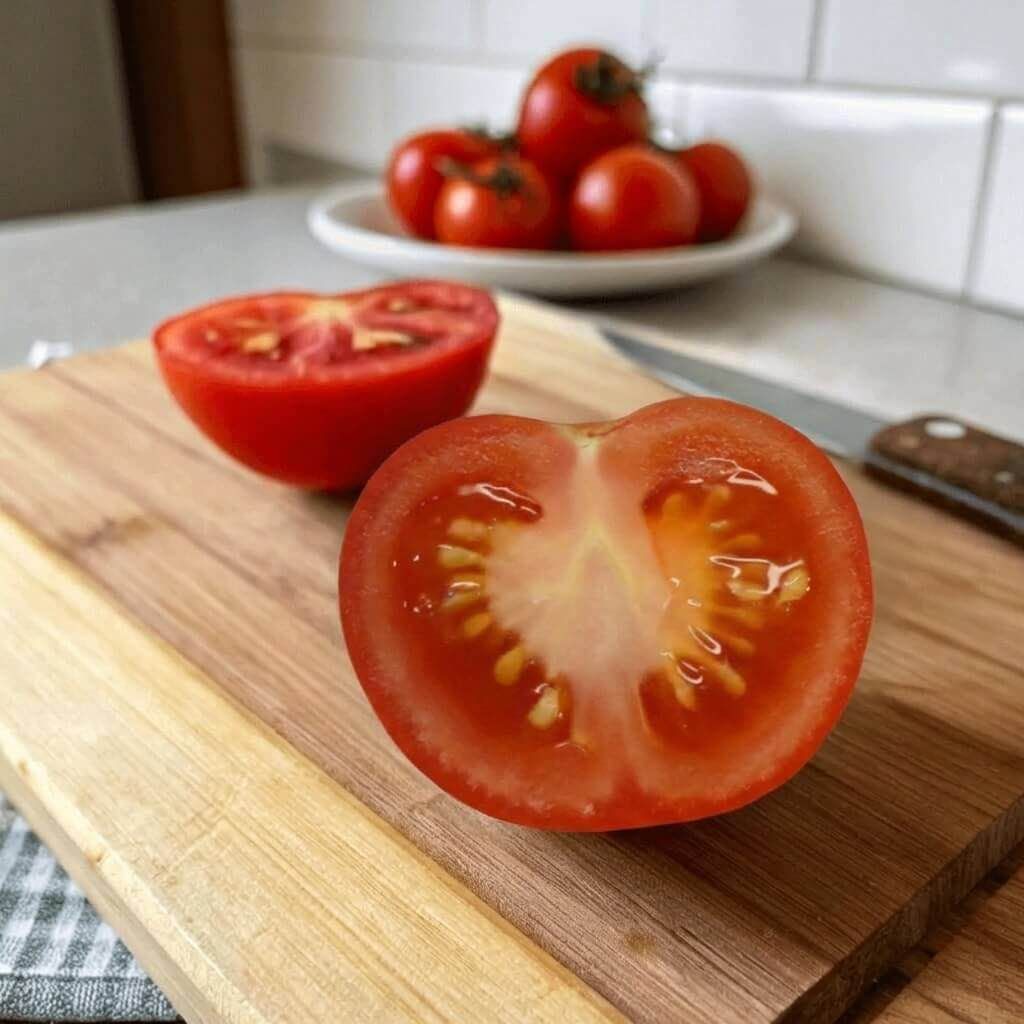
Can Babies Eat Tomato?
Tomatoes bring babies their first real taste of savory and tangy, a nice break from the sweet flavors that dominate most early purees. Ripe, cooked tomato is soft, juicy, and easy to manage, and cooking actually increases how much lycopene, the antioxidant behind its red color, the body can use. The high water content also makes tomatoes a naturally hydrating food alongside milk feeds.
Raw tomato is a different story. The skin and seeds are harder to digest, so raw tomato is usually peeled and deseeded for younger babies, while cooked tomato in a sauce or stew tends to go down easier from the start. The acidity can occasionally leave a temporary red mark around a baby's mouth, which is normal and not a sign of allergy.
Tomatoes aren't a common allergen, which makes them one of the more relaxed introductions on this list. Ripe, in-season tomatoes tend to taste best and go over well with first-timers.
Tomato Baby Food: How to Prepare It
Puree from 6+ Months
Cook tomatoes until soft, remove skin and seeds, then puree until smooth. Can mix with other vegetables or serve as sauce.
BLW from 6+ Months
Large wedges for sucking or munching. Can offer whole large ripe tomato.
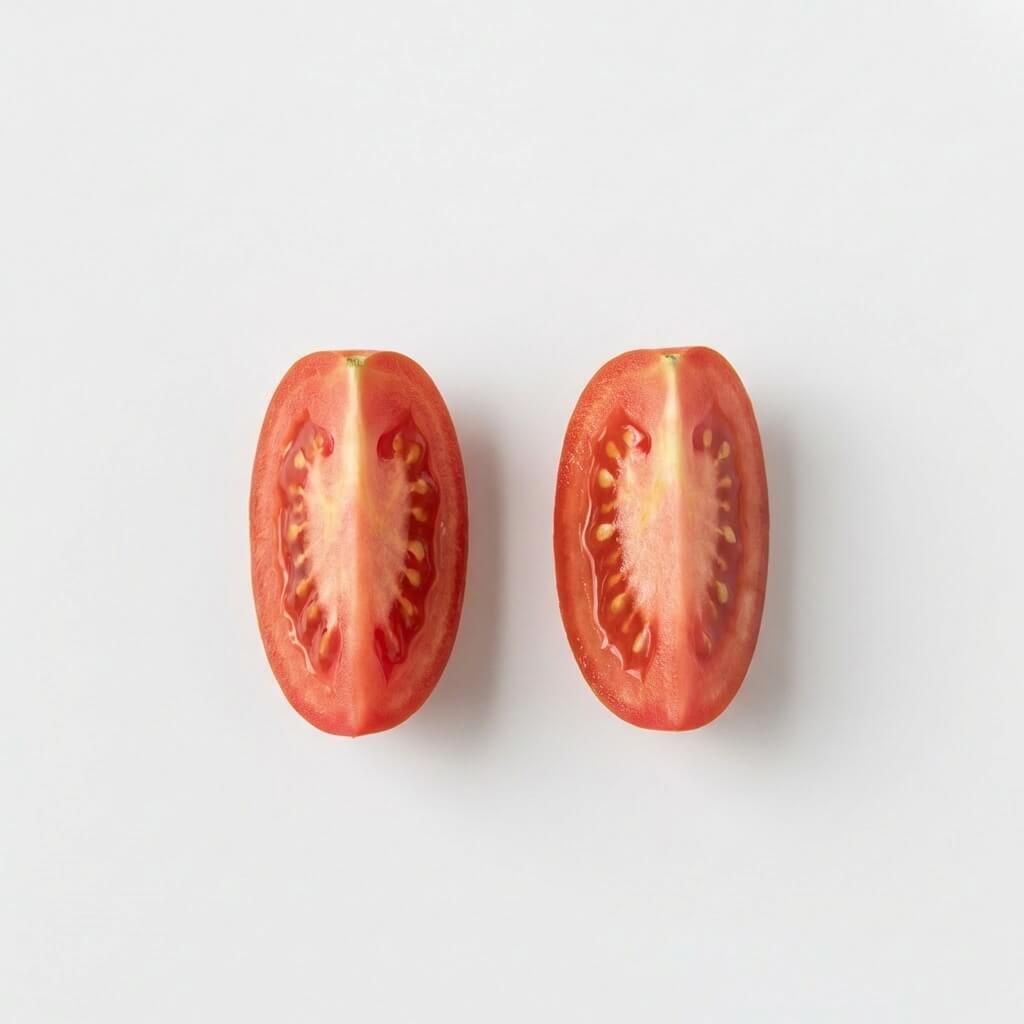
BLW from 9+ Months
Serve cherry or grape tomatoes quartered lengthwise (never whole) or cooked tomato slices as finger foods. Remove tough skin and most seeds. Ensure pieces are soft and manageable for safe chewing.
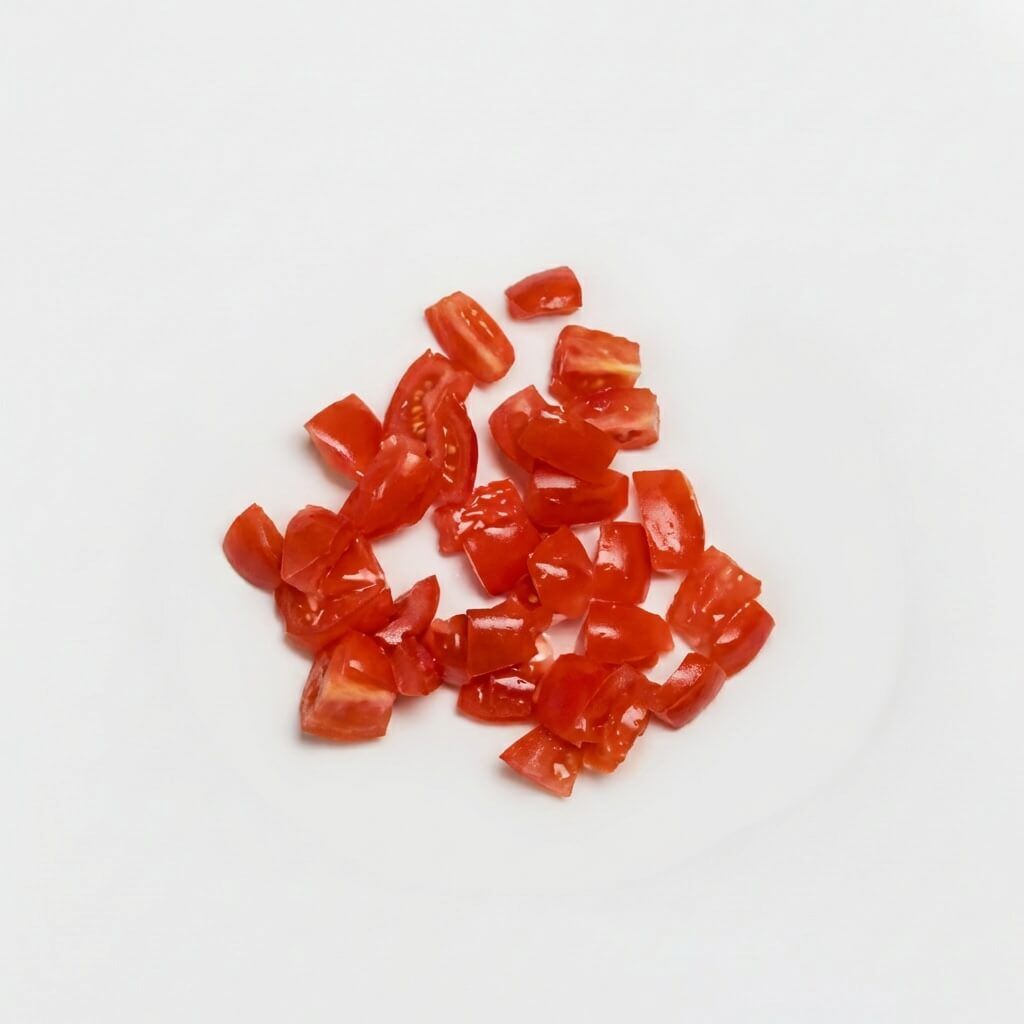
BLW from 12+ Months
Offer peeled fresh tomato slices, cooked tomato sauces, or tomato-based soups. Combine with pasta, rice, or proteins for complete, balanced meals. Continue monitoring for any skin sensitivity.
Nutritional Benefits
Tomatoes offer powerful antioxidants (especially lycopene), essential vitamins, and minerals that boost immunity and protect growing cells. Introduce savory, tangy flavors expanding palate development.
Key Nutrients
Vitamin C
Enhances immune function and iron absorption.
Lycopene
A powerful antioxidant supporting heart and cell health.
Vitamin A
Promotes vision and skin development.
Folate
Supports cell division and growth.
Potassium
Maintains fluid balance and muscle health.
Allergen & Choking Information
Not a Common Allergen
Tomatoes are not common allergens but natural acidity may cause temporary skin irritation around mouth. Always cook until soft initially, removing skins and seeds. Quarter cherry/grape tomatoes lengthwise.
Frequently Asked Questions
When can babies eat Tomatoes?
Around 6 months (when cooked or peeled)
How do I prepare Tomatoes puree for my baby?
Cook tomatoes until soft, remove skin and seeds, then puree until smooth. Can mix with other vegetables or serve as sauce.
What are the nutritional benefits of Tomatoes?
Tomatoes offer powerful antioxidants (especially lycopene), essential vitamins, and minerals that boost immunity and protect growing cells. Introduce savory, tangy flavors expanding palate development.
Sources & Related Resources
Get Personalized Guidance for Every Feeding Stage
Download the Grubsy app to track meals, get tailored recommendations, and explore foods like Tomato plus hundreds more, all in one place.
Disclaimer: This information is for educational purposes only and does not replace professional medical advice.