Sunflower Seeds for Babies
Baby Food Guide from 6 Months
Puree
6+
Months
BLW
6+
Months
Choking Hazard
High (whole seeds); Low (milled or as butter)
Allergen
No
Key Nutrients
Vitamin E • Healthy Unsaturated Fats • Plant-Based Protein
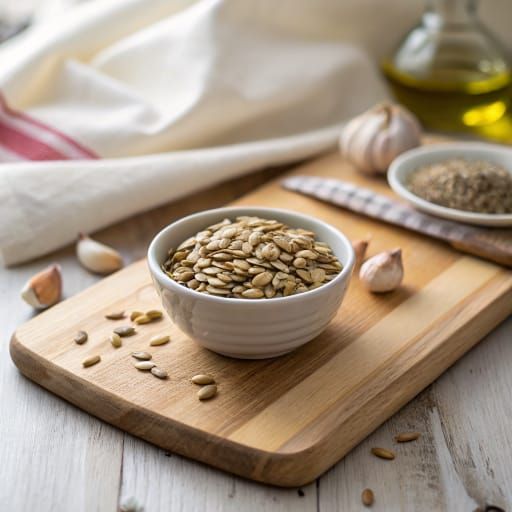
Can Babies Eat Sunflower Seeds?
Sunflower seeds are small but nutrient-dense, offering a genuine boost of plant protein, fiber, and healthy unsaturated fats that support a baby's growing brain. They're also one of the richest plant sources of vitamin E, an antioxidant that helps protect developing cells, plus magnesium and folate for bone and cell growth.
Seeds aren't one of the major food allergens, so there's no special allergy protocol here. The real issue is choking: a whole seed is small, hard, and exactly the wrong shape for a young airway, so it needs to be finely milled or turned into a smooth, well-thinned butter until your toddler is a confident, experienced chewer, generally not before two years old.
Milled seeds stir easily into yogurt, porridge, or fruit puree, and thinned seed butter smears well onto toast. Because it has a similarly rich, slightly savory flavor and creamy texture once thinned, sunflower seed butter is also a genuinely useful stand-in for households avoiding peanuts and tree nuts.
Sunflower Seeds Baby Food: How to Prepare It
Puree from 6+ Months
Grind hulled sunflower seeds into a fine powder and stir into yogurt, cereal, rice, or a fruit or vegetable puree. Alternatively, loosen smooth sunflower seed butter with water, breast milk, formula, or puree and blend into other soft foods.
BLW from 6+ Months
Sprinkle finely milled seeds over yogurt, cereal, or rice, or press them onto pieces of soft fruit. Smooth seed butter, thinned with liquid, can also be smeared in a thin layer over toast strips.
BLW from 9+ Months
Continue offering finely milled seeds mixed into familiar soft foods, or thinned seed butter blended into purees, yogurt, or oatmeal.
BLW from 12+ Months
Keep serving finely milled seeds on yogurt, cereal, or rolled into soft fruit. Seed butter no longer needs thinning, but spread it in a thin layer rather than offering spoonfuls, since it stays sticky. Whole hulled seeds can wait until around 24 months, offered one at a time to a confident chewer.
Nutritional Benefits
Sunflower seeds are one of the richest plant sources of vitamin E and offer healthy fats, protein, and fiber, all in a food easily made safe by milling or serving as a butter.
Key Nutrients
Vitamin E
A powerful antioxidant that protects developing cells.
Healthy Unsaturated Fats
Support brain growth and development.
Plant-Based Protein
Contributes to muscle growth and repair.
Fiber
Supports healthy digestion.
Magnesium
Supports bone development and nerve function.
Folate
Supports healthy cell growth and division.
Allergen & Choking Information
Not a Common Allergen
Sunflower seeds are not among the nine major allergens, though any new food should be introduced in a small amount first. The real risk is choking: whole seeds must be avoided until at least 2 years old and offered only as fine powder or thinned butter before then.
Frequently Asked Questions
When can babies eat Sunflower Seeds?
Around 6 months (finely milled or as smooth, thinned seed butter)
How do I prepare Sunflower Seeds puree for my baby?
Grind hulled sunflower seeds into a fine powder and stir into yogurt, cereal, rice, or a fruit or vegetable puree. Alternatively, loosen smooth sunflower seed butter with water, breast milk, formula, or puree and blend into other soft foods.
What are the nutritional benefits of Sunflower Seeds?
Sunflower seeds are one of the richest plant sources of vitamin E and offer healthy fats, protein, and fiber, all in a food easily made safe by milling or serving as a butter.
Sources & Related Resources
Get Personalized Guidance for Every Feeding Stage
Download the Grubsy app to track meals, get tailored recommendations, and explore foods like Sunflower Seeds plus hundreds more, all in one place.
Disclaimer: This information is for educational purposes only and does not replace professional medical advice.