Steak for Babies
Baby Food Guide from 6 Months
Puree
6+
Months
Choking Hazard
High
Allergen
No
Key Nutrients
Iron • Zinc • Protein
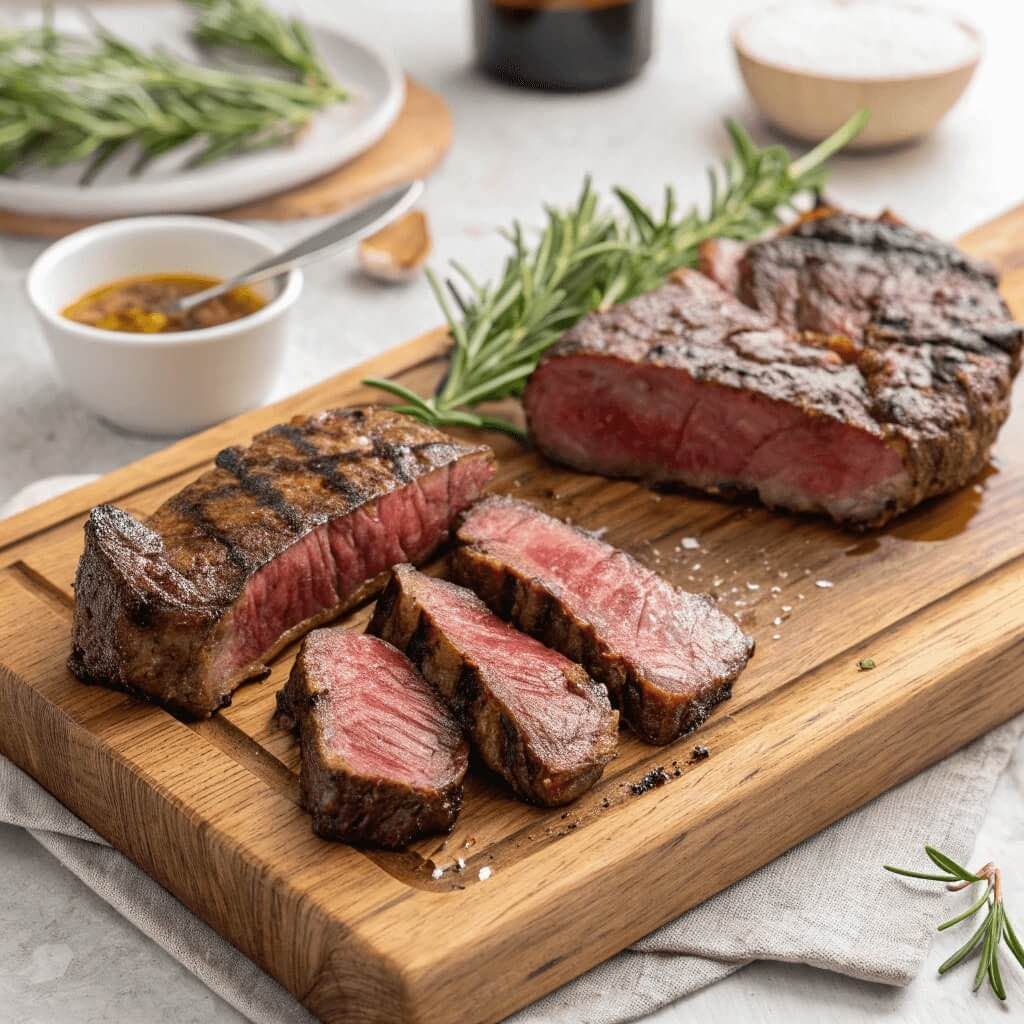
Can Babies Eat Steak?
Steak gives babies something plant foods can't: heme iron, a form the body absorbs several times more easily than the iron in beans or greens. That matters most around 6 months, when a baby's birth iron stores start running low and brain development leans heavily on a steady supply. For many families, steak or another red meat becomes the first significant iron source in a baby's diet.
The catch is texture. A raw or quickly seared steak is too tough for young chewers, so it needs long, moist cooking, braised, slow-cooked, or pressure-cooked until it falls apart, before it's shredded or pureed. Done that way, steak turns tender enough to mash between gums and delivers zinc, B12, and complete protein alongside the iron. Ground beef is often an easier starting point, but well-prepared steak offers similar nutrition.
Steak isn't a common allergen, but tough or dry pieces are a real choking risk, so texture matters more than seasoning here. That's also why it's often introduced a little later than very soft first foods.
Steak Baby Food: How to Prepare It
Puree from 6+ Months
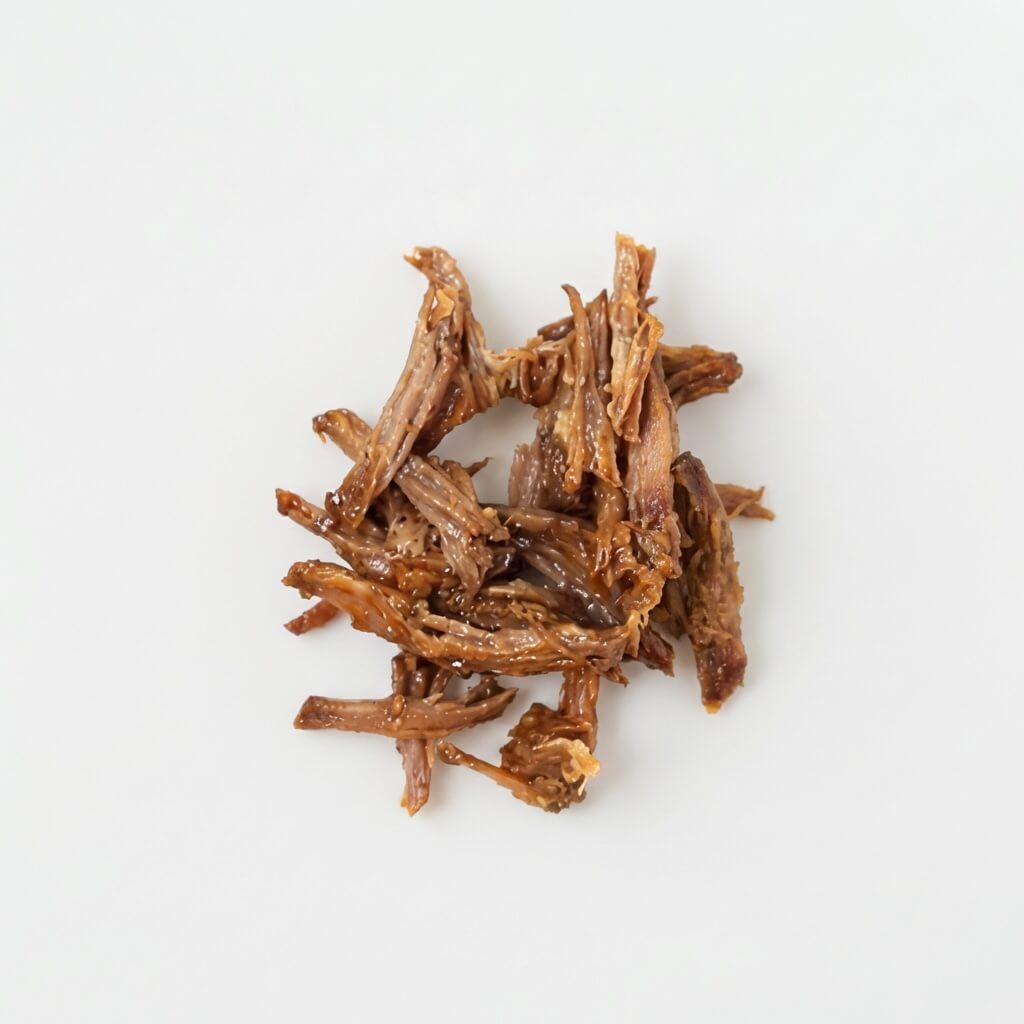
Braise or slow-cook tender steak cuts until very soft and falling apart. Puree with low-sodium broth or cooking liquid until smooth. Combine with sweet potatoes or lentils for softer texture and added nutrition.
BLW from 9+ Months
Offer finely shredded tender steak or small, very soft pieces mixed into mashed vegetables or grains. Ensure meat is moist and easy to mash with gums.
Nutritional Benefits
Steak provides highly bioavailable heme iron and complete protein easily absorbed by growing bodies, supporting strong cognitive and physical development. Choose tender cuts and cook thoroughly.
Key Nutrients
Iron
Supports red blood cell formation and brain growth.
Zinc
Strengthens immunity and aids tissue repair.
Protein
Builds muscles and supports tissue growth.
Vitamin B12
Essential for neurological and energy functions.
Niacin
Supports metabolism and cell health.
Allergen & Choking Information
Not a Common Allergen
Steak is not a common allergen but must be cooked until very tender using moist-heat methods and shredded/chopped finely to avoid choking. Never serve tough or chewy pieces.
Frequently Asked Questions
When can babies eat Steak?
Around 6 to 9 months (as pureed or finely shredded meat)
How do I prepare Steak puree for my baby?
Braise or slow-cook tender steak cuts until very soft and falling apart. Puree with low-sodium broth or cooking liquid until smooth. Combine with sweet potatoes or lentils for softer texture and added nutrition.
What are the nutritional benefits of Steak?
Steak provides highly bioavailable heme iron and complete protein easily absorbed by growing bodies, supporting strong cognitive and physical development. Choose tender cuts and cook thoroughly.
Sources & Related Resources
Get Personalized Guidance for Every Feeding Stage
Download the Grubsy app to track meals, get tailored recommendations, and explore foods like Steak plus hundreds more, all in one place.
Disclaimer: This information is for educational purposes only and does not replace professional medical advice.