Spinach for Babies
Baby Food Guide from 6 Months
Puree
6+
Months
BLW
6+
Months
Choking Hazard
Low (when cooked soft and chopped)
Allergen
No
Key Nutrients
Iron • Vitamin K • Vitamin A
Can Babies Eat Spinach?
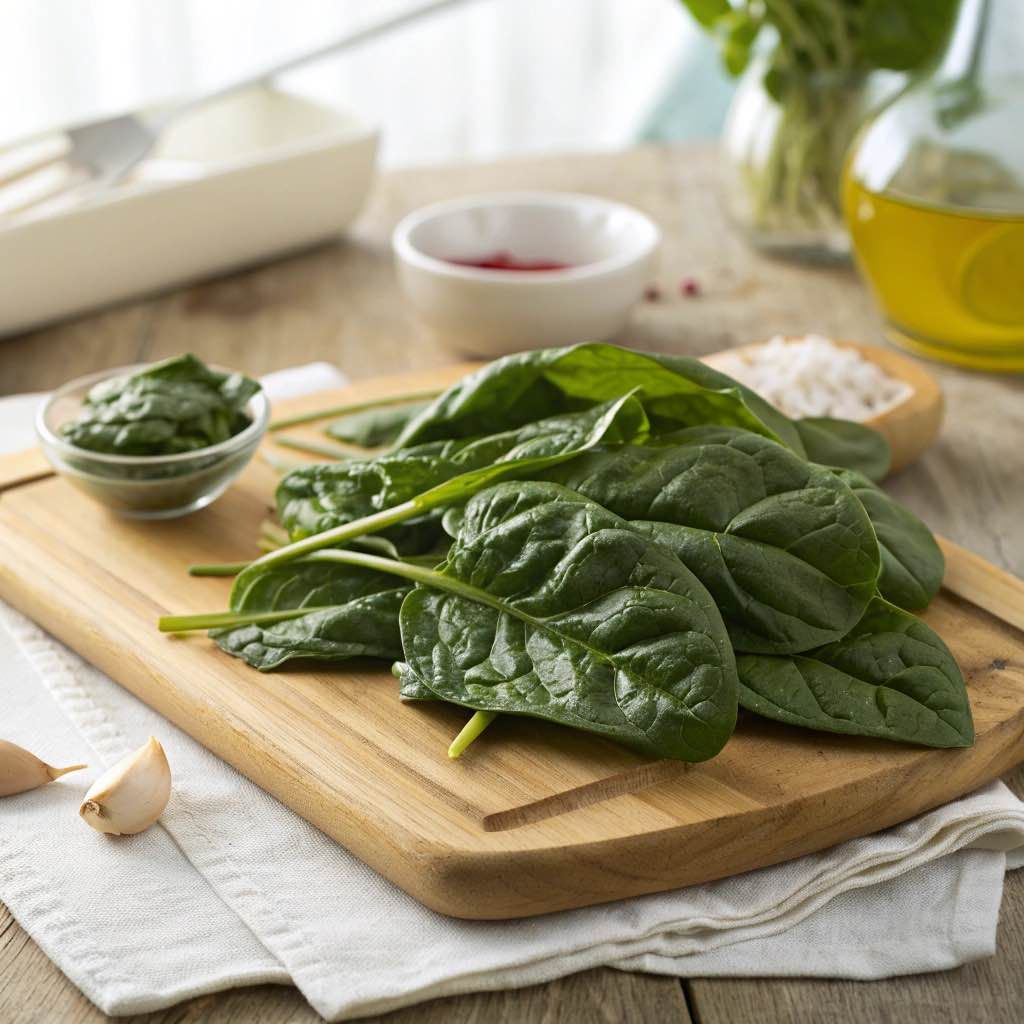
Spinach packs more iron and folate into a spoonful than most vegetables, and its deep green color is a reliable sign of just how nutrient-dense it is. The catch is that the iron is plant-based, which the body absorbs far less efficiently than iron from meat. Serving spinach alongside a vitamin C food, like tomato or a squeeze of orange, helps babies actually use more of it.
Cooking spinach until it's fully wilted does two jobs at once. It softens the leaves enough to gum easily, and it lowers the natural nitrate levels that make raw or long-stored spinach less suitable for young babies. Baby spinach leaves are more tender than mature ones, and most families find spinach works best mixed into eggs, pasta, or grains rather than served as a standalone dish.
Spinach isn't a common allergen. Because of its natural nitrates, doctors generally recommend small, occasional portions rather than an everyday staple during the first year, with more relaxed amounts fine after 12 months.
Spinach Baby Food: How to Prepare It
Puree from 6+ Months
Steam or sauté until very tender, then puree smooth. Mix with other vegetables. Use fresh and serve promptly—don't store long.
BLW from 6+ Months
Finely chopped soft cooked spinach mixed into eggs, pasta, or grain dishes. Offer in moderation.
BLW from 9+ Months
Small soft pieces mixed into meals. Continue moderation. Combine with vitamin C foods for better iron absorption.
BLW from 12+ Months
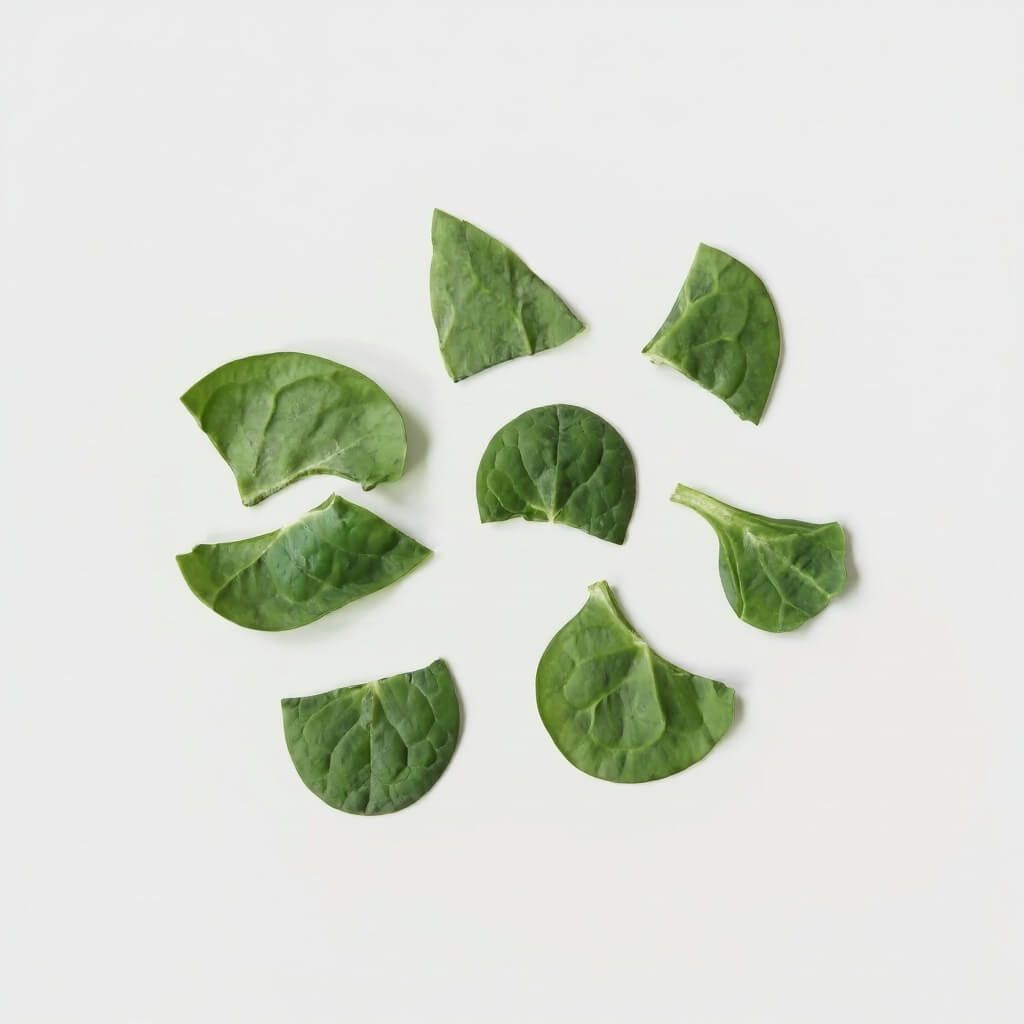
Chopped cooked spinach in various dishes. Can increase frequency. Try spinach in smoothies or baked goods.
Nutritional Benefits
Spinach delivers iron, vitamins A and K, and folate while supporting blood health and development when offered in moderation as part of a varied vegetable rotation.
Key Nutrients
Iron
Supports blood building and oxygen transport (plant-based).
Vitamin K
Essential for blood clotting and bone health.
Vitamin A
Supports vision, immune function, and healthy growth.
Folate
Promotes cell growth and brain development.
Vitamin C
Boosts immunity and enhances iron absorption.
Allergen & Choking Information
Not a Common Allergen
Spinach is not a common allergen. Contains natural nitrates—offer in moderation before 12 months. Cook until very soft. Combine with vitamin C foods to enhance iron absorption. Don't store homemade spinach puree long.
Frequently Asked Questions
When can babies eat Spinach?
Around 6 months (in moderation)
How do I prepare Spinach puree for my baby?
Steam or sauté until very tender, then puree smooth. Mix with other vegetables. Use fresh and serve promptly—don't store long.
What are the nutritional benefits of Spinach?
Spinach delivers iron, vitamins A and K, and folate while supporting blood health and development when offered in moderation as part of a varied vegetable rotation.
Sources & Related Resources
Get Personalized Guidance for Every Feeding Stage
Download the Grubsy app to track meals, get tailored recommendations, and explore foods like Spinach plus hundreds more, all in one place.
Disclaimer: This information is for educational purposes only and does not replace professional medical advice.