Shrimp for Babies
Baby Food Guide from 6 Months
Puree
6+
Months
BLW
6+
Months
Choking Hazard
Moderate (unless cut lengthwise)
Allergen
Yes
Key Nutrients
Protein • Omega-3 Fatty Acids • Iodine
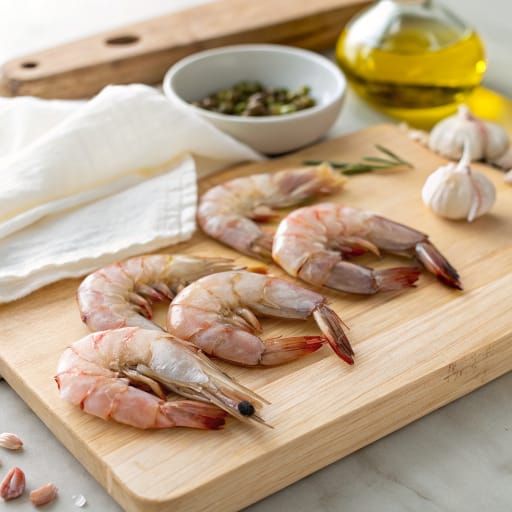
Can Babies Eat Shrimp?
Shrimp are a lean, mild-tasting shellfish that can be a valuable source of protein and other nutrients for babies from around six months, as long as they're cooked thoroughly and cut the right way. Unlike fin fish such as salmon or trout, shrimp belong to the shellfish family, which carries its own distinct allergen profile.
Nutritionally, they offer a lot for very little. Shrimp are naturally low in fat while high in complete protein, and they contain omega-3s for brain and eye development, iodine, a mineral that's often under-supplied in modern diets, plus zinc and vitamin B12.
Because shrimp taste so mild, they tend to take on whatever they're cooked or mixed with, an easy way to add nutrition without changing a dish's flavor much. Shellfish is a common allergen, and tolerating fin fish doesn't predict a reaction to it; the choking risk is more about shape, since a whole cooked shrimp curls into a rubbery ring and is always cut lengthwise rather than into rounds.
Shrimp Baby Food: How to Prepare It
Puree from 6+ Months
Finely chop or blend well-cooked shrimp and fold it into a soft, scoopable food such as mashed potato, rice congee, or vegetable puree. Ensure shrimp is cooked until pink and opaque throughout.
BLW from 6+ Months
Finely chop well-cooked shrimp and stir it into a soft, scoopable food, or offer a large shrimp cut in half lengthwise so no round, coin-like segment remains intact.
BLW from 9+ Months
Cut well-cooked shrimp lengthwise first so it is no longer round, then chop into small pieces for finger feeding, or continue offering halved large shrimp.
BLW from 12+ Months
Keep cutting shrimp lengthwise and chopping it into small pieces, or serve it in cakes, dumplings, or fritters mixed into family meals. Save a whole shrimp for confident chewers from around age 3, after showing them how to take small bites.
Nutritional Benefits
Shrimp is a lean, low-fat source of complete protein along with iodine and zinc, nutrients that are easy to under-supply but important for a growing baby.
Key Nutrients
Protein
Supplies amino acids for rapid muscle and tissue growth.
Omega-3 Fatty Acids
Support early brain and eye development.
Iodine
Essential for healthy thyroid function.
Zinc
Supports immune function and wound healing.
Vitamin B12
Aids nerve development and red blood cell formation.
Allergen & Choking Information
Common Allergen
Shellfish is a major allergen, separate from fin fish allergies, so tolerating salmon does not predict a reaction to shrimp. The main choking risk is shape rather than firmness: always cut shrimp lengthwise so no round, coin-like segment remains.
Frequently Asked Questions
When can babies eat Shrimp?
Around 6 months (finely chopped and well-cooked, or cut lengthwise)
How do I prepare Shrimp puree for my baby?
Finely chop or blend well-cooked shrimp and fold it into a soft, scoopable food such as mashed potato, rice congee, or vegetable puree. Ensure shrimp is cooked until pink and opaque throughout.
What are the nutritional benefits of Shrimp?
Shrimp is a lean, low-fat source of complete protein along with iodine and zinc, nutrients that are easy to under-supply but important for a growing baby.
Sources & Related Resources
Get Personalized Guidance for Every Feeding Stage
Download the Grubsy app to track meals, get tailored recommendations, and explore foods like Shrimp plus hundreds more, all in one place.
Disclaimer: This information is for educational purposes only and does not replace professional medical advice.