Sardines for Babies
Baby Food Guide from 6 Months
Puree
6+
Months
BLW
6+
Months
Choking Hazard
Low (when thoroughly deboned)
Allergen
Yes
Key Nutrients
Omega-3 Fatty Acids (DHA & EPA) • Calcium • Protein
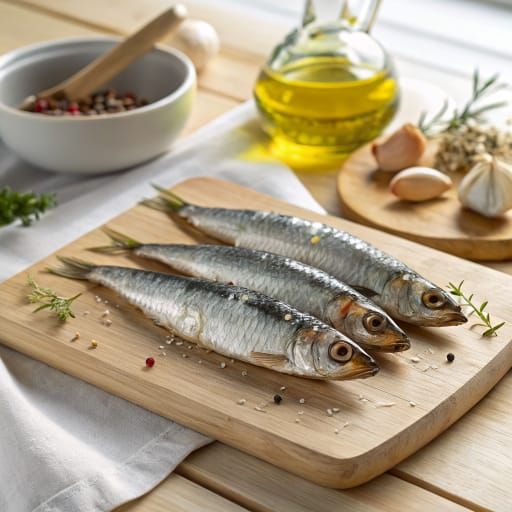
Can Babies Eat Sardines?
Sardines are small, oily fish that pack an outsized nutritional punch, making them one of the most efficient first foods a family can offer a baby. Because canned sardines are eaten whole, bones and all, they deliver a rare combination of calcium, iron, and long-chain omega-3 fatty acids in a single small serving.
Those nutrients matter enormously in this exact window, when a baby's iron stores from birth are declining and the brain is growing faster than at almost any other point in life. Sardines also have a distinct, savory flavor that some babies take to right away and others need a few tries to warm up to.
Canned sardines are a genuine shortcut: the canning process softens the tiny bones completely, which is also where much of their standout calcium comes from. Fish is a common allergen, and sardines are no exception, so they're worth introducing in a small amount at first, the same as any other new allergen food.
Sardines Baby Food: How to Prepare It
Puree from 6+ Months
Mash a cooked, deboned sardine fillet or canned sardines (whose soft bones are safe to eat) with a soft vegetable, cooked grain, or plain yogurt. Thin with a little water or breast milk until spoonable, and run a finger through fresh fish to check for any missed bones.
BLW from 6+ Months
Offer a whole soft cooked fillet with all bones removed, or a whole canned sardine as is, since canning softens the skin and bones enough to eat safely. Serve as a graspable piece or mash into other soft foods.
BLW from 9+ Months
Break the fish into small flakes for pincer grasp practice. Stir flakes into cooked grains, pasta, or vegetables, or blend with yogurt or tahini for scooping and early spoon practice.
BLW from 12+ Months
Serve bite-sized pieces as finger food or with a fork for utensil practice, on their own or folded into family dishes and spreads.
Nutritional Benefits
Sardines deliver an unusually dense combination of omega-3s, calcium, and iron in one small serving, making them one of the most nutritionally efficient first fish for babies.
Key Nutrients
Omega-3 Fatty Acids (DHA & EPA)
Support brain, eye, and nervous system development.
Calcium
Builds strong bones and teeth, especially from the soft edible bones in canned sardines.
Protein
Provides amino acids for muscle and tissue growth.
Iron
Supports healthy blood and cognitive development.
Vitamin D
Aids calcium absorption and immune function.
Vitamin B12
Supports nerve function and red blood cell formation.
Allergen & Choking Information
Common Allergen
Fish is one of the nine major allergens. Cook fresh fillets thoroughly and check carefully for bones by running a finger along the flesh; canned sardines have bones softened enough to eat safely. Introduce a small amount first and watch for reaction.
Frequently Asked Questions
When can babies eat Sardines?
Around 6 months (mashed and deboned, or whole boneless canned sardine)
How do I prepare Sardines puree for my baby?
Mash a cooked, deboned sardine fillet or canned sardines (whose soft bones are safe to eat) with a soft vegetable, cooked grain, or plain yogurt. Thin with a little water or breast milk until spoonable, and run a finger through fresh fish to check for any missed bones.
What are the nutritional benefits of Sardines?
Sardines deliver an unusually dense combination of omega-3s, calcium, and iron in one small serving, making them one of the most nutritionally efficient first fish for babies.
Sources & Related Resources
Get Personalized Guidance for Every Feeding Stage
Download the Grubsy app to track meals, get tailored recommendations, and explore foods like Sardines plus hundreds more, all in one place.
Disclaimer: This information is for educational purposes only and does not replace professional medical advice.