Salmon for Babies
Baby Food Guide from 6 Months
Puree
6+
Months
BLW
6+
Months
Choking Hazard
Low
Allergen
Yes
Key Nutrients
Omega-3 Fatty Acids (DHA and EPA) • Protein • Vitamin D
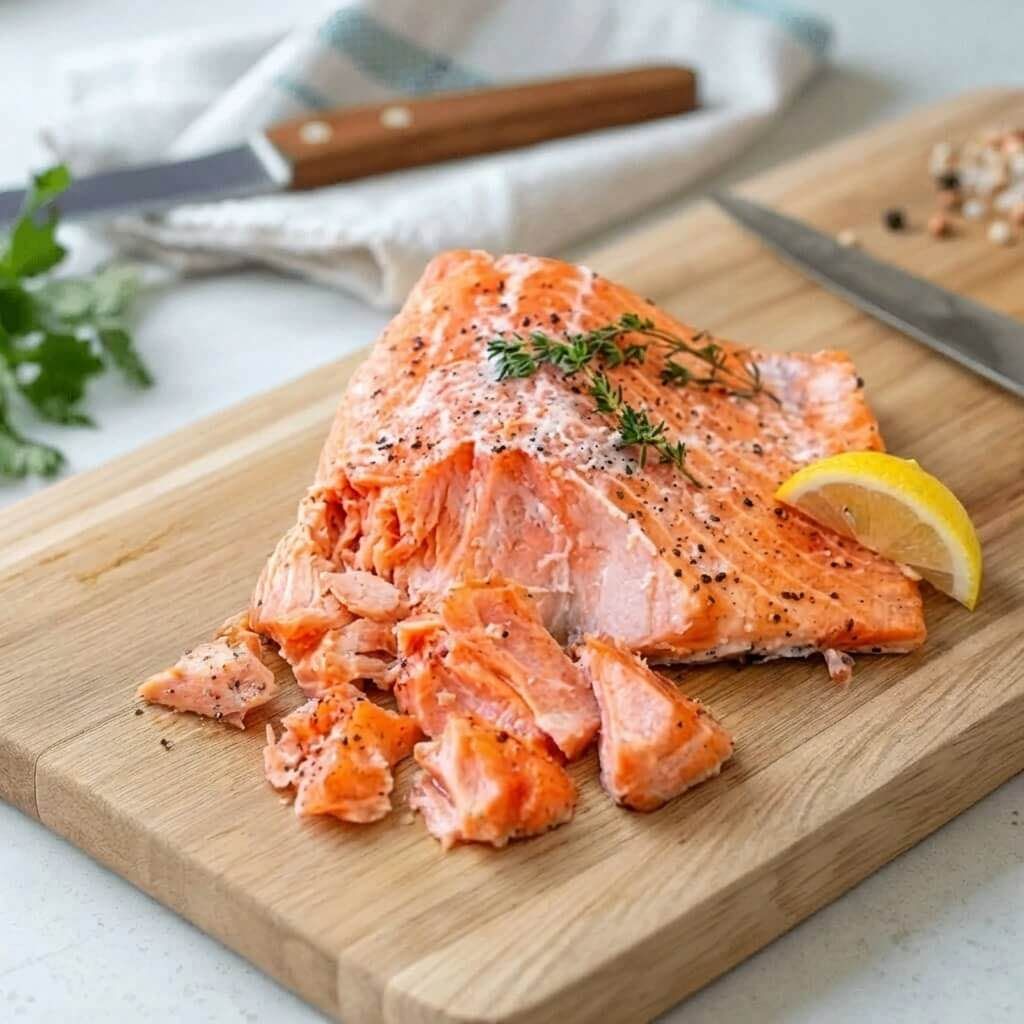
Can Babies Eat Salmon?
Salmon is one of the best sources of DHA and EPA, the omega-3 fats that drive early brain, eye, and nervous system development. The body can't make much of these on its own; they need to come from food, which makes salmon an unusually valuable early addition to the table.
It's also easy to eat once cooked through: the flesh turns soft and flaky, equally good pureed for a first taste or flaked into finger-sized pieces later. Fish is a recognized allergen, so it's typically introduced with some care around 6 months, and even fillets labeled boneless can hide small pin bones, so a careful check before serving matters more than usual.
Wild and farmed salmon are both nutritious, though wild tends to edge out farmed on omega-3 content. Choose fresh or frozen fillets over smoked, which is high in sodium and not meant for babies, and expect a mild, faintly sweet flavor that's usually an easy sell.
Salmon Baby Food: How to Prepare It
Puree from 6+ Months
Cook salmon thoroughly until opaque and flaky throughout. Carefully remove all bones and skin, checking thoroughly. Blend cooked salmon with breast milk or water until smooth puree. Mix with vegetable purees if desired.
BLW from 6+ Months
Offer mashed or finely flaked cooked salmon mixed into purees or soft, mashed vegetables like sweet potato or avocado. Ensure salmon is fully cooked, tender, and flaky with no bones remaining.
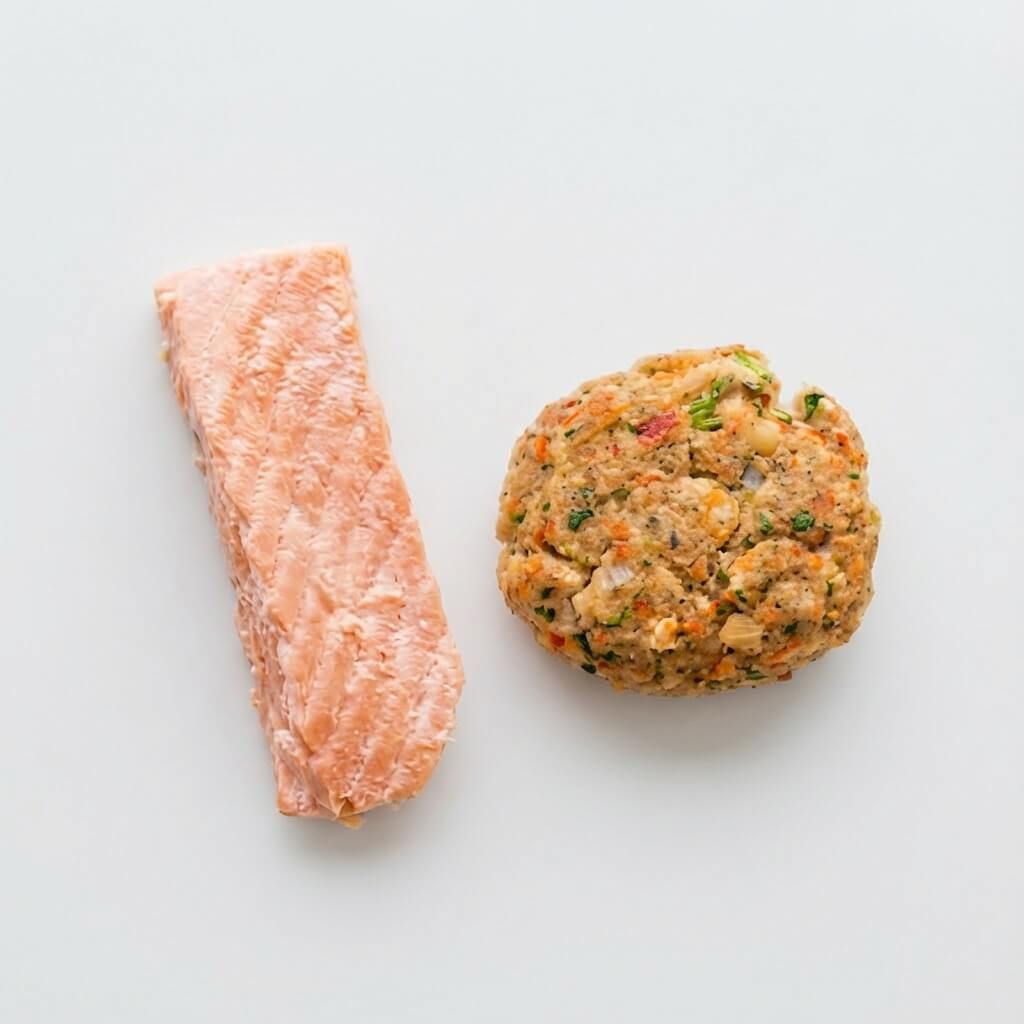
BLW from 9+ Months
Serve small, tender flakes of cooked salmon or form into soft salmon patties for finger feeding. Patties can be mixed with mashed potato or breadcrumbs to hold together. Check carefully for bones.
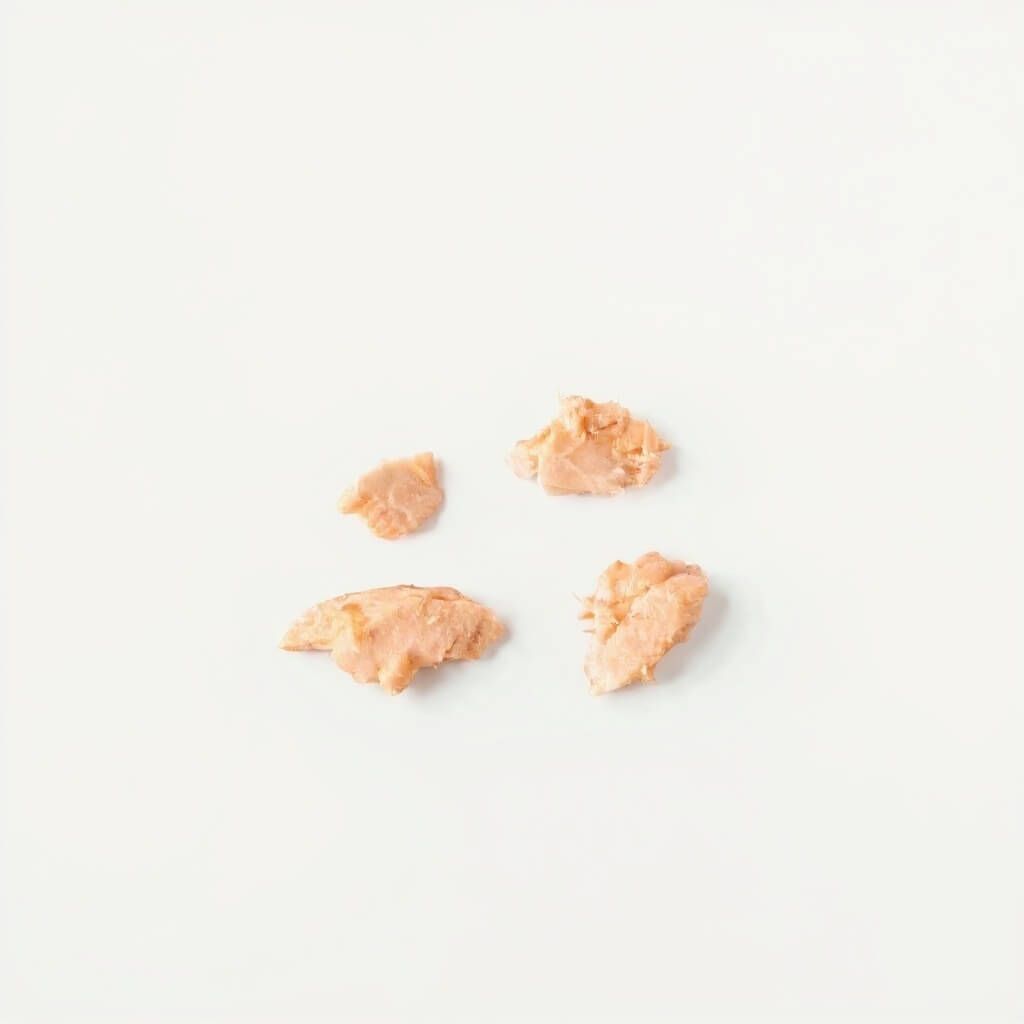
BLW from 12+ Months
Include fully cooked, flaked salmon in family meals like fish cakes, pasta with cream sauce, or rice bowls. Ensure pieces are appropriate size and fully cooked. Encourage utensil use for independence.
Nutritional Benefits
Salmon provides brain-boosting omega-3 fatty acids (DHA and EPA) and easily digestible, complete protein for early development. Excellent source of vitamin D.
Key Nutrients
Omega-3 Fatty Acids (DHA and EPA)
Support brain, nerve, and vision development.
Protein
Promotes muscle growth and tissue repair.
Vitamin D
Aids calcium absorption and bone strength.
Vitamin B12
Supports nerve function and metabolism.
Selenium
Acts as an antioxidant to protect cells.
Allergen & Choking Information
Common Allergen
Fish is a known allergen. Always cook salmon thoroughly until opaque and flaky (internal temp 145°F). Carefully remove all bones and skin. Avoid smoked or raw salmon for infants.
Frequently Asked Questions
When can babies eat Salmon?
Around 6 months (fully cooked)
How do I prepare Salmon puree for my baby?
Cook salmon thoroughly until opaque and flaky throughout. Carefully remove all bones and skin, checking thoroughly. Blend cooked salmon with breast milk or water until smooth puree. Mix with vegetable purees if desired.
What are the nutritional benefits of Salmon?
Salmon provides brain-boosting omega-3 fatty acids (DHA and EPA) and easily digestible, complete protein for early development. Excellent source of vitamin D.
Sources & Related Resources
Get Personalized Guidance for Every Feeding Stage
Download the Grubsy app to track meals, get tailored recommendations, and explore foods like Salmon plus hundreds more, all in one place.
Disclaimer: This information is for educational purposes only and does not replace professional medical advice.