Pumpkin for Babies
Baby Food Guide from 6 Months
Puree
6+
Months
BLW
6+
Months
Choking Hazard
Low
Allergen
No
Key Nutrients
Vitamin A (Beta-Carotene) • Vitamin C • Fiber
Can Babies Eat Pumpkin?
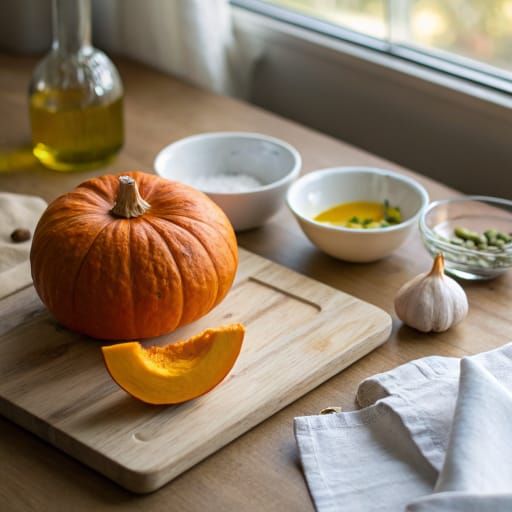
Pumpkin is a winter squash prized for its dense, mildly sweet orange flesh, which turns silky and soft once cooked. That gentle sweetness and easy puree make it one of the most forgiving first foods a family can offer, part of why it shows up on classic first-food lists around the world.
It's a genuine nutritional standout too, not just an easy one. Pumpkin is rich in beta-carotene, which the body converts into vitamin A for healthy vision, skin, and immune function; few first foods deliver it as generously. It also brings vitamin C, fiber, potassium, and a range of other protective antioxidants.
Small, dense sugar pumpkins cook down more smoothly than the large, stringier carving pumpkins sold around Halloween, and butternut squash makes a very close substitute if pumpkin isn't on hand. Pumpkin isn't a common allergen; the only real thing to watch is texture, since raw pumpkin is far too hard and always needs cooking until soft.
Pumpkin Baby Food: How to Prepare It
Puree from 6+ Months
Remove the seeds and stringy pulp, then roast or steam the flesh until very soft. Blend or mash until smooth, thinning with breast milk, formula, or water as needed.
BLW from 6+ Months
Offer well-cooked, crescent-shaped slices, rind on or off, for baby to hold and munch, or a soft mash on a pre-loaded spoon.
BLW from 9+ Months
Cut into soft, bite-sized cubes once baby can pick up small pieces with thumb and forefinger, or keep offering larger soft slices for biting practice.
BLW from 12+ Months
Serve soft-cooked pumpkin as bite-sized pieces or larger sections for biting. Pre-load a fork to encourage utensil practice.
Nutritional Benefits
Pumpkin's beta-carotene, vitamin C, and fiber make it a nutrient-dense, easy-to-digest first food that's gentle on a developing gut.
Key Nutrients
Vitamin A (Beta-Carotene)
Supports healthy vision, skin, and immune function.
Vitamin C
Boosts immune function and supports iron absorption.
Fiber
Supports healthy, regular digestion.
Potassium
Helps maintain fluid balance and healthy muscle function.
Antioxidants
Carotenoids help protect growing cells from damage.
Allergen & Choking Information
Not a Common Allergen
Pumpkin is not a common allergen and is gentle on digestion. Always cook it until fully soft, easy to mash between two fingers, before serving in any form.
Frequently Asked Questions
When can babies eat Pumpkin?
Around 6 months (as a soft puree or soft-cooked pieces)
How do I prepare Pumpkin puree for my baby?
Remove the seeds and stringy pulp, then roast or steam the flesh until very soft. Blend or mash until smooth, thinning with breast milk, formula, or water as needed.
What are the nutritional benefits of Pumpkin?
Pumpkin's beta-carotene, vitamin C, and fiber make it a nutrient-dense, easy-to-digest first food that's gentle on a developing gut.
Sources & Related Resources
Get Personalized Guidance for Every Feeding Stage
Download the Grubsy app to track meals, get tailored recommendations, and explore foods like Pumpkin plus hundreds more, all in one place.
Disclaimer: This information is for educational purposes only and does not replace professional medical advice.