Pineapple for Babies
Baby Food Guide from 9 Months
Puree
9+
Months
Choking Hazard
Moderate
Allergen
No
Key Nutrients
Vitamin C • Bromelain • Manganese
Can Babies Eat Pineapple?
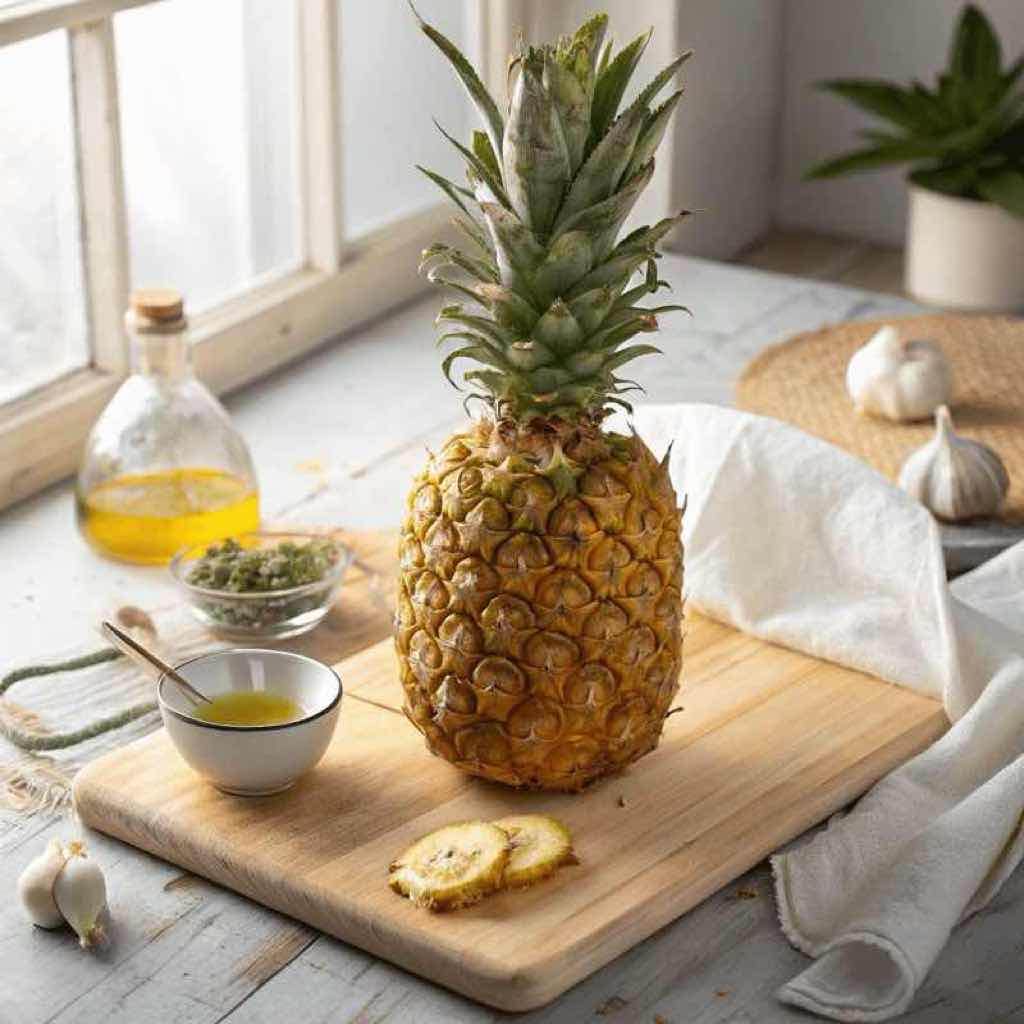
Pineapple brings babies their first taste of proper tropical fruit: bright, tangy, and unusually rich in vitamin C. It also contains bromelain, a natural enzyme that helps break down protein and can ease digestion, a genuinely useful trait most fruits don't have, and the same enzyme that makes pineapple a natural meat tenderizer in the kitchen.
Because it's fibrous and firm when underripe, pineapple is usually held back until around 9 months, and only once it's very soft and passes the squish test. A common source of worry is the redness that sometimes appears around a baby's mouth or chin after eating it. That's just the fruit's natural acid and enzymes at work, not an allergic reaction on its own.
Choose pineapple that smells sweet at the base and gives slightly to pressure. Fresh is always a better choice than canned, which is often packed in sugary syrup, and the flavor is a genuine crowd-pleaser once babies get past the initial tang.
Pineapple Baby Food: How to Prepare It
Puree from 9+ Months
Puree soft ripe pineapple until smooth. Can mix with other fruits for variety.
BLW from 9+ Months
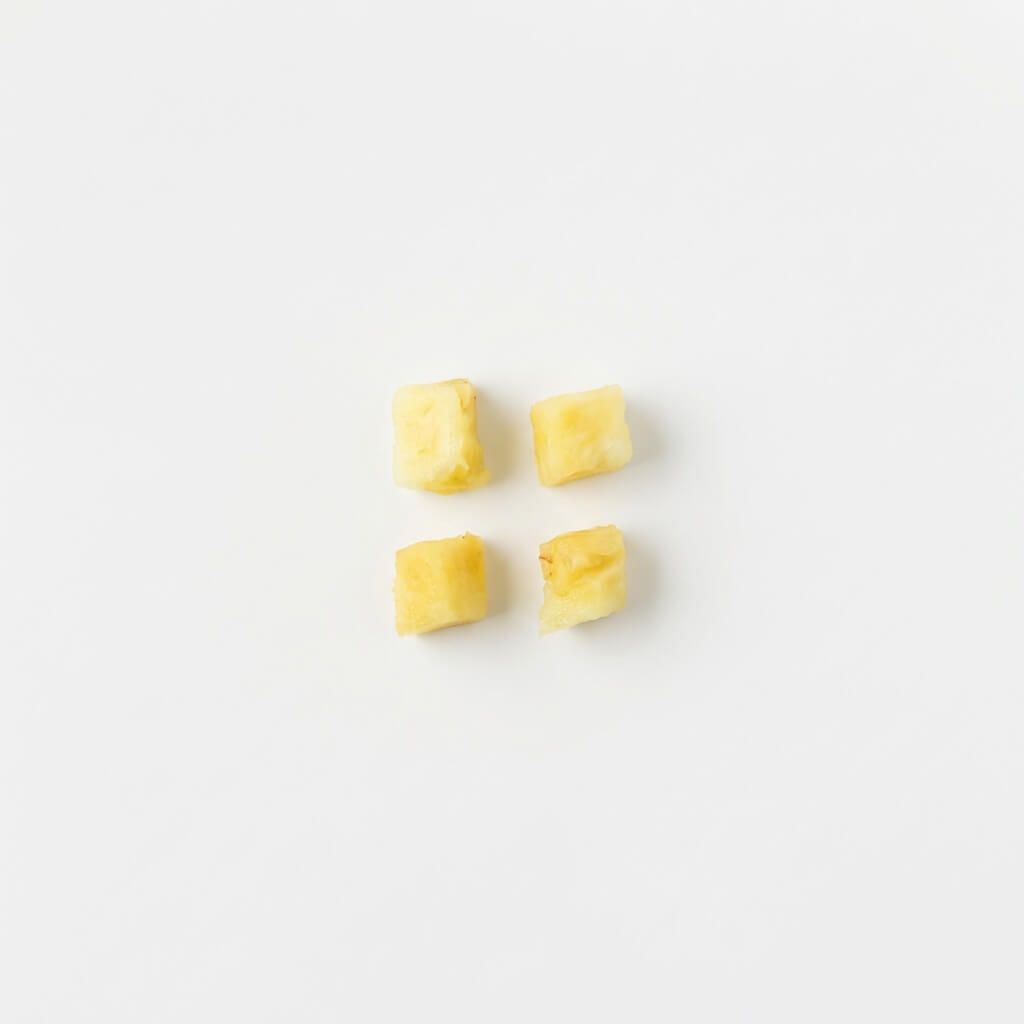
Bite-sized pieces (must pass squish test).
BLW from 12+ Months
Bite-sized pieces. Serve with utensils to practice.
Nutritional Benefits
Pineapple delivers exceptional vitamin C, unique digestive enzymes, and tropical flavor that expands baby's palate while supporting immune health and digestion.
Key Nutrients
Vitamin C
Boosts immune function and enhances iron absorption.
Bromelain
Natural enzyme that aids digestion and protein breakdown.
Manganese
Supports bone development and metabolism.
Fiber
Promotes healthy digestion and regular bowel movements.
B Vitamins
Support energy production and cellular function.
Allergen & Choking Information
Not a Common Allergen
Pineapple is not a common allergen but natural acids and enzymes can cause temporary mouth redness (normal). Ensure very ripe and soft pieces. Must pass squish test to prevent choking.
Frequently Asked Questions
When can babies eat Pineapple?
Around 9 months (when soft and ripe)
How do I prepare Pineapple puree for my baby?
Puree soft ripe pineapple until smooth. Can mix with other fruits for variety.
What are the nutritional benefits of Pineapple?
Pineapple delivers exceptional vitamin C, unique digestive enzymes, and tropical flavor that expands baby's palate while supporting immune health and digestion.
Sources & Related Resources
Get Personalized Guidance for Every Feeding Stage
Download the Grubsy app to track meals, get tailored recommendations, and explore foods like Pineapple plus hundreds more, all in one place.
Disclaimer: This information is for educational purposes only and does not replace professional medical advice.