Peanut for Babies
Baby Food Guide from 6 Months
Puree
6+
Months
BLW
6+
Months
Choking Hazard
High
Allergen
Yes
Key Nutrients
Protein • Healthy Fats • Vitamin E
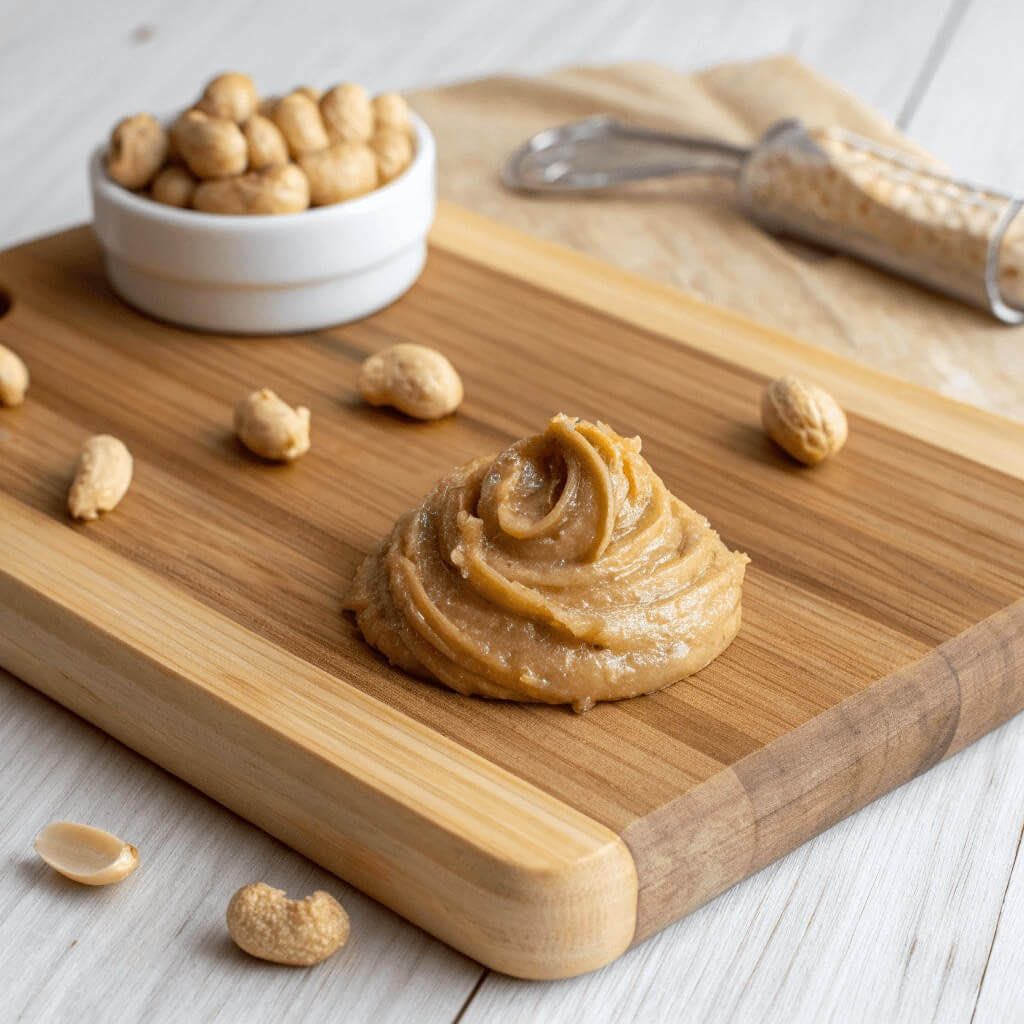
Can Babies Eat Peanut?
Peanuts are a legume, not a tree nut, and they are unusually nutrient dense for a baby's diet, rich in plant protein and the fats that support brain growth. They have also become one of the most talked about foods in early feeding: major guidelines now recommend introducing peanut in some form around 6 months, since early exposure appears to lower a child's risk of developing a peanut allergy rather than raise it.
Whole peanuts and chunks of peanut butter are choking hazards, so babies never eat them that way. Instead, smooth peanut butter gets thinned with water, breast milk, or formula into a drippy consistency and stirred into purees, oatmeal, or yogurt. Most babies enjoy the mild, slightly sweet, nutty flavor right away.
Beyond protein and healthy fats, peanuts supply vitamin E, niacin, and magnesium, nutrients that support everything from skin health to steady energy. As a major allergen it does call for a careful, watched first try, but after that most babies take to peanut butter as an easy, regular part of meals.
Peanut Baby Food: How to Prepare It
Puree from 6+ Months
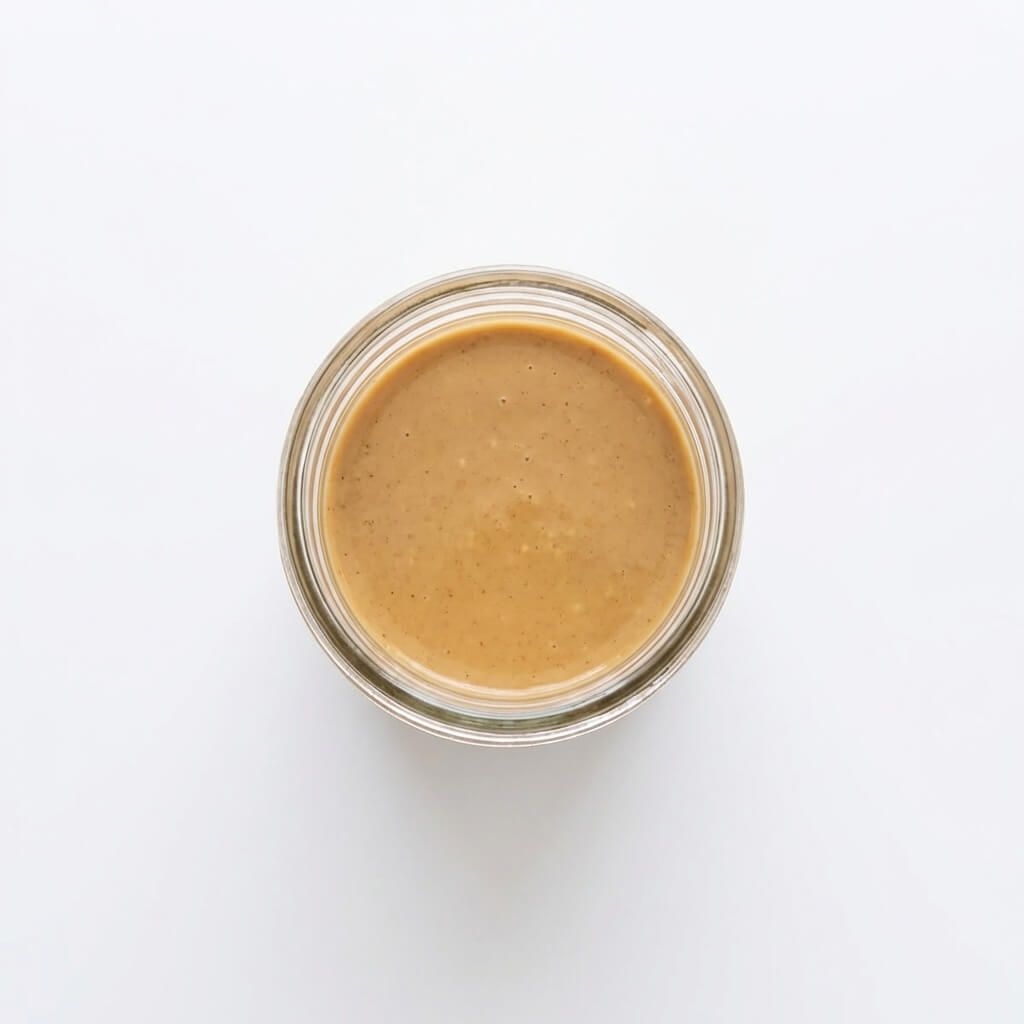
Mix 1-2 teaspoons smooth peanut butter with water, formula, or breast milk until very thin and drippy—should flow easily off a spoon. Offer a small amount on a spoon for first introduction. Monitor closely for any reactions.
BLW from 6+ Months
Blend smooth peanut butter into fruit purees, oatmeal, or yogurt to create a safe, thinned consistency. Offer on pre-loaded spoons for self-feeding practice. Ensure mixture is never thick or sticky.
BLW from 9+ Months
Spread very thinly on soft toast strips or mix into yogurt or porridge for texture variety. Ensure bread is soft and peanut butter layer is thin to prevent choking. Offer water alongside.
BLW from 12+ Months
Mix finely ground pieces into food or spread thinly on toast. You can use peanut oil for cooking as well.
Nutritional Benefits
Peanuts are a rich source of protein and healthy fats that fuel rapid growth and may promote allergy tolerance when introduced safely around 6 months.
Key Nutrients
Protein
Builds and repairs body tissues.
Healthy Fats
Support brain and nerve development.
Vitamin E
Promotes cell protection and skin health.
Niacin
Helps convert food into energy.
Magnesium
Supports bone and muscle development.
Allergen & Choking Information
Common Allergen
Peanuts are a major allergen. Always introduce smooth peanut butter thinned with liquid to a safe, drippy consistency. Never offer whole or chunky nuts to babies—choking hazard until age 4+.
Frequently Asked Questions
When can babies eat Peanuts?
Around 6 months (with proper consistency and safety checks)
How do I prepare Peanuts puree for my baby?
Mix 1-2 teaspoons smooth peanut butter with water, formula, or breast milk until very thin and drippy—should flow easily off a spoon. Offer a small amount on a spoon for first introduction. Monitor closely for any reactions.
What are the nutritional benefits of Peanuts?
Peanuts are a rich source of protein and healthy fats that fuel rapid growth and may promote allergy tolerance when introduced safely around 6 months.
Sources & Related Resources
Get Personalized Guidance for Every Feeding Stage
Download the Grubsy app to track meals, get tailored recommendations, and explore foods like Peanut plus hundreds more, all in one place.
Disclaimer: This information is for educational purposes only and does not replace professional medical advice.