Peach for Babies
Baby Food Guide from 6 Months
Puree
6+
Months
BLW
6+
Months
Choking Hazard
medium
Allergen
No
Key Nutrients
Vitamin A • Vitamin C • Fiber
Can Babies Eat Peach?
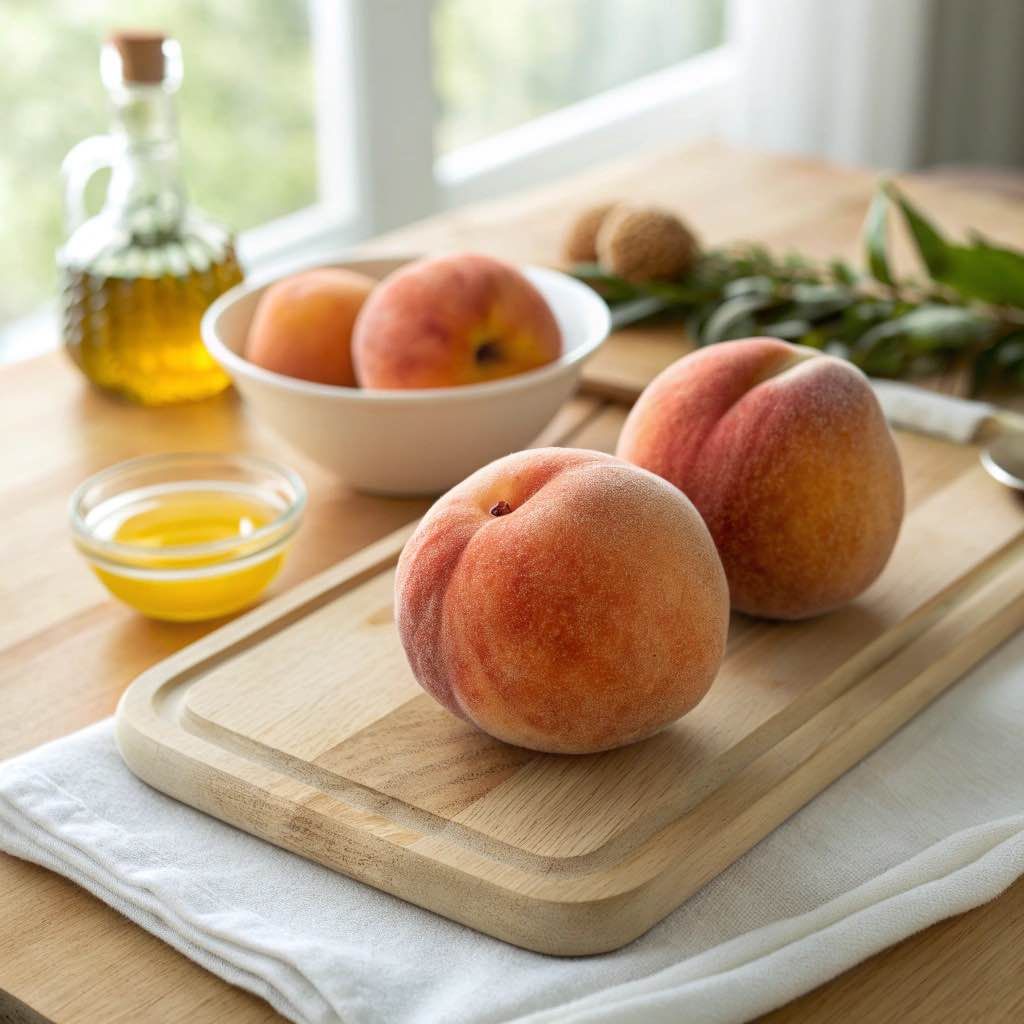
Peaches are sweet, juicy stone fruit with vitamin A, vitamin C, and fiber, and their natural sugars make them one of the easiest fruits to win over a hesitant eater. Few babies turn down a ripe peach, which makes it a genuinely useful food when you're trying to build confidence around trying new things.
Fully ripe, the flesh turns soft and almost velvety, which works well for both purees and finger food, just remove the pit and any tough skin first. Look for fruit that gives slightly under gentle pressure and smells sweet, since underripe peaches are firmer, more tart, and harder to manage safely.
Peaches aren't a common allergen, though babies with a birch pollen allergy can sometimes react to raw stone fruit, known as oral allergy syndrome, usually just mild itching around the mouth. Serve peach very ripe and cut appropriately for your baby's age and chewing skill.
Peach Baby Food: How to Prepare It
Puree from 6+ Months
Wash peach, remove pit, peel. Steam 5-7 minutes until very soft or use very ripe raw peaches. Puree smooth with breast milk, formula, or water. Mix with other fruits.
BLW from 6+ Months
Very ripe, soft peaches in thick wedges. Remove pit completely. Skin on for better grip or peel. Organic preferred.
BLW from 9+ Months
Thin slices or small bite-sized pieces for pincer grasp practice. Fresh raw (very ripe) or lightly cooked. Mix into yogurt, oatmeal.
BLW from 12+ Months
Fresh peach slices with skin. In fruit salads, on toast, in pancakes, or smoothies. Frozen slices as teething aid. Dried peaches (soft, small pieces).
Nutritional Benefits
Peaches are sweet summer fruits rich in vitamins A and C, fiber, and antioxidants. Support digestion, immunity, and vision development.
Key Nutrients
Vitamin A
Supports healthy vision development and immune function.
Vitamin C
Boosts immunity and aids iron absorption.
Fiber
Promotes healthy digestion and prevents constipation.
Potassium
Supports heart function and fluid balance.
Antioxidants
Protect cells from damage and support health.
Allergen & Choking Information
Not a Common Allergen
Peaches are not common allergens. Oral allergy syndrome may occur with birch pollen allergy. Always remove pit. Serve very ripe and soft, cut appropriately.
Frequently Asked Questions
When can babies eat Peaches?
Around 6 months (very ripe and soft)
How do I prepare Peaches puree for my baby?
Wash peach, remove pit, peel. Steam 5-7 minutes until very soft or use very ripe raw peaches. Puree smooth with breast milk, formula, or water. Mix with other fruits.
What are the nutritional benefits of Peaches?
Peaches are sweet summer fruits rich in vitamins A and C, fiber, and antioxidants. Support digestion, immunity, and vision development.
Sources & Related Resources
Get Personalized Guidance for Every Feeding Stage
Download the Grubsy app to track meals, get tailored recommendations, and explore foods like Peach plus hundreds more, all in one place.
Disclaimer: This information is for educational purposes only and does not replace professional medical advice.