Parsnip for Babies
Baby Food Guide from 6 Months
Puree
6+
Months
BLW
6+
Months
Choking Hazard
Low
Allergen
No
Key Nutrients
Fiber • Vitamin C • Folate
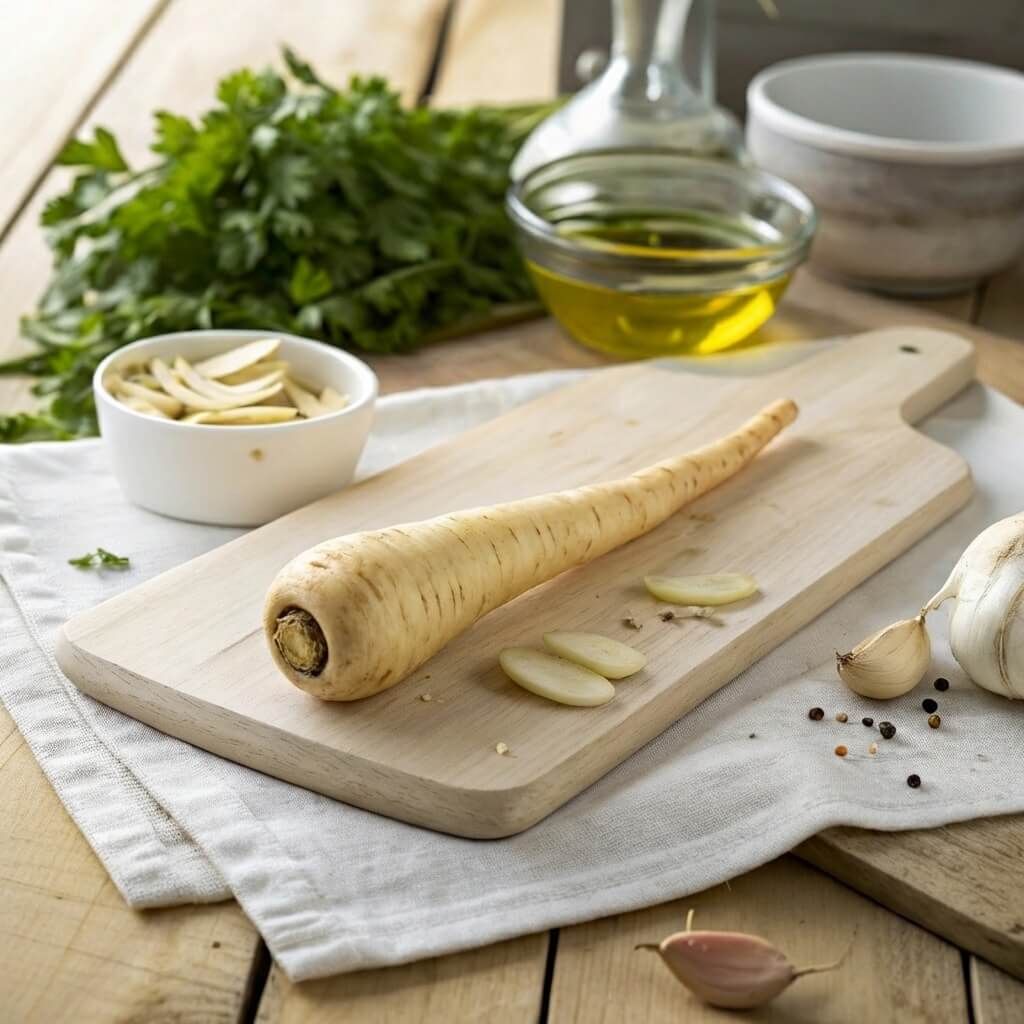
Can Babies Eat Parsnip?
Parsnip is related to carrot, but paler and noticeably sweeter once cooked, which makes it an easy first vegetable for babies who are still deciding whether they like solids at all. That sweetness comes with no added sugar, just fiber, vitamin C, folate, and potassium, and it holds up well even mixed with less popular vegetables.
Cooked until very soft, parsnip purees to a smooth consistency for younger babies or cuts into soft strips for self-feeding. It pairs naturally with other root vegetables like carrot and sweet potato, so it's an easy one to fold into combination purees rather than serve on its own, and it's a gentle way to expand a baby's vegetable repertoire beyond the usual favorites.
Parsnip isn't a common allergen. The main thing to get right is texture, cook it thoroughly so it mashes easily between two fingers before serving, since underdone parsnip stays firm and fibrous.
Parsnip Baby Food: How to Prepare It
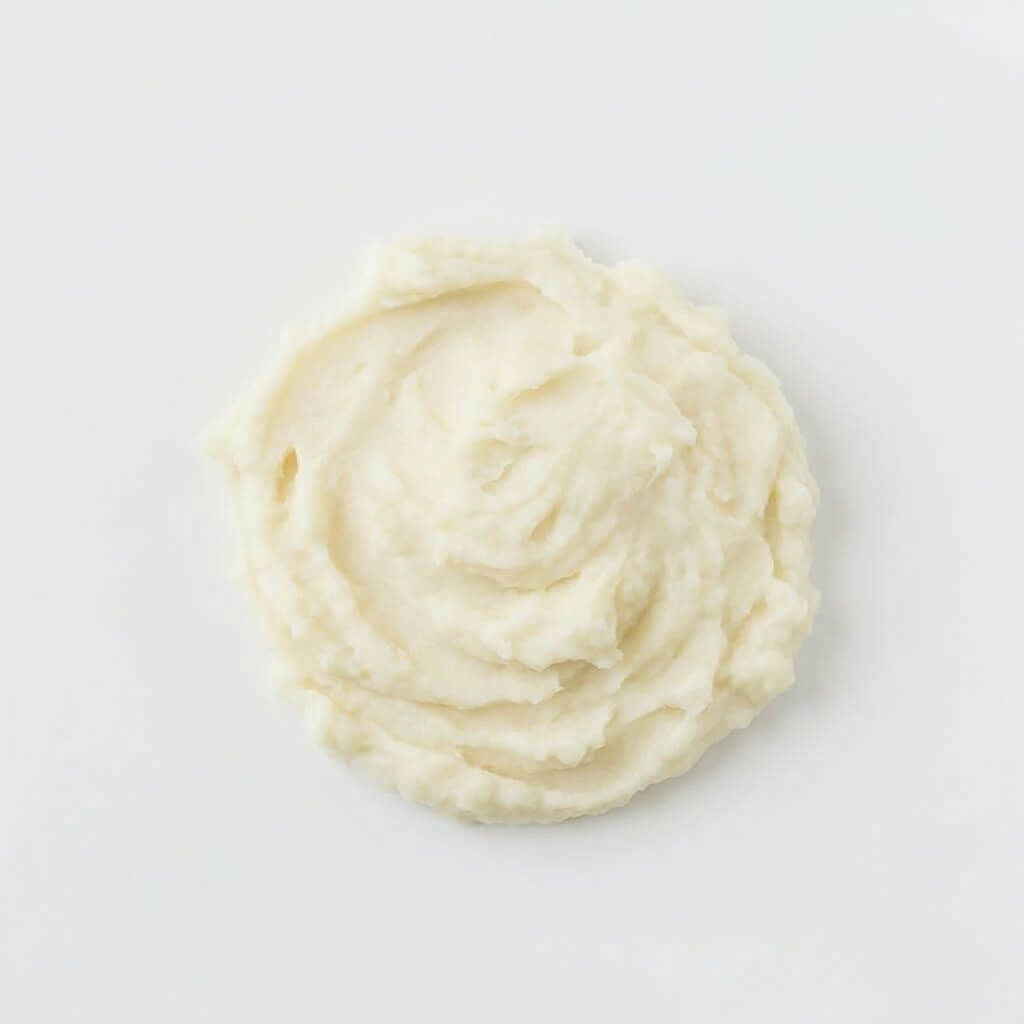
Puree from 6+ Months
Cook parsnip until very soft, then puree until smooth. Can mix with other vegetables for variety.
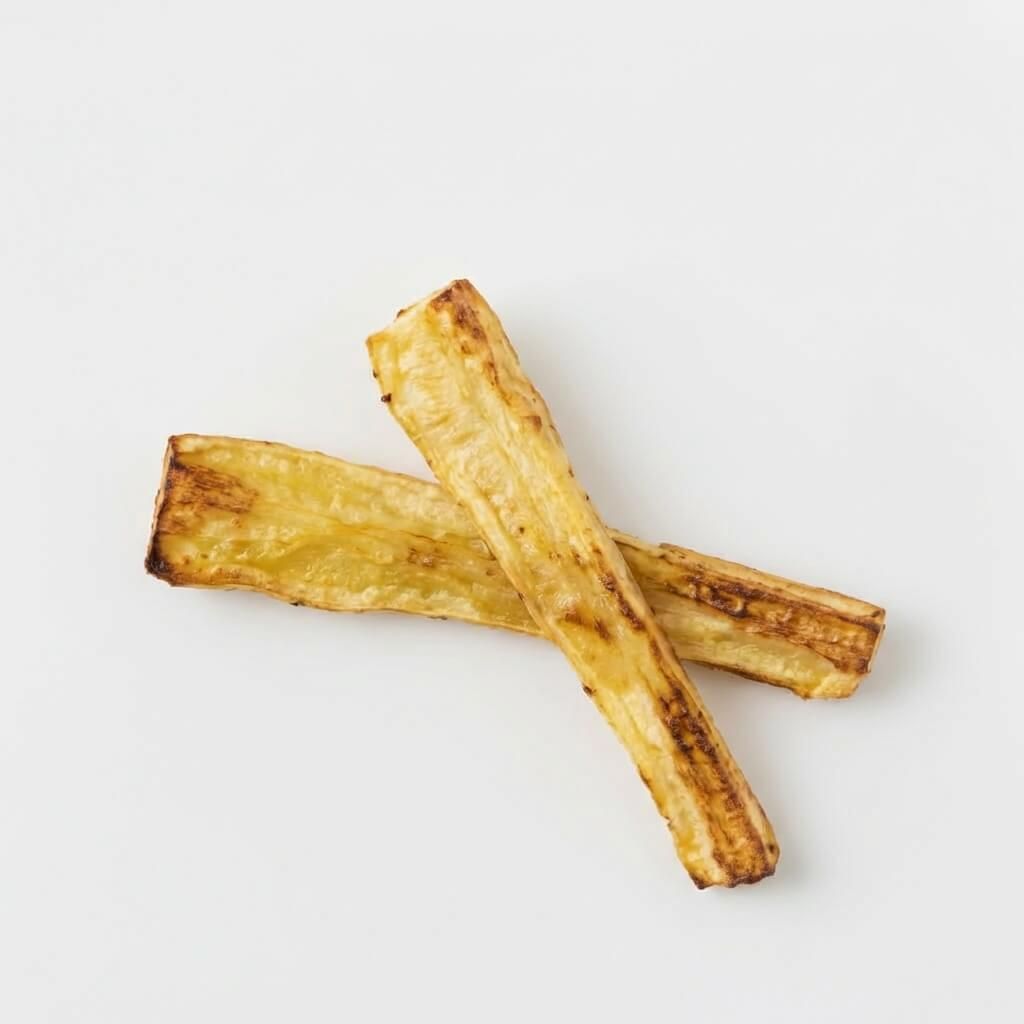
BLW from 6+ Months
Cooked parsnip cut lengthwise into long strips. Steam or roast until very soft.
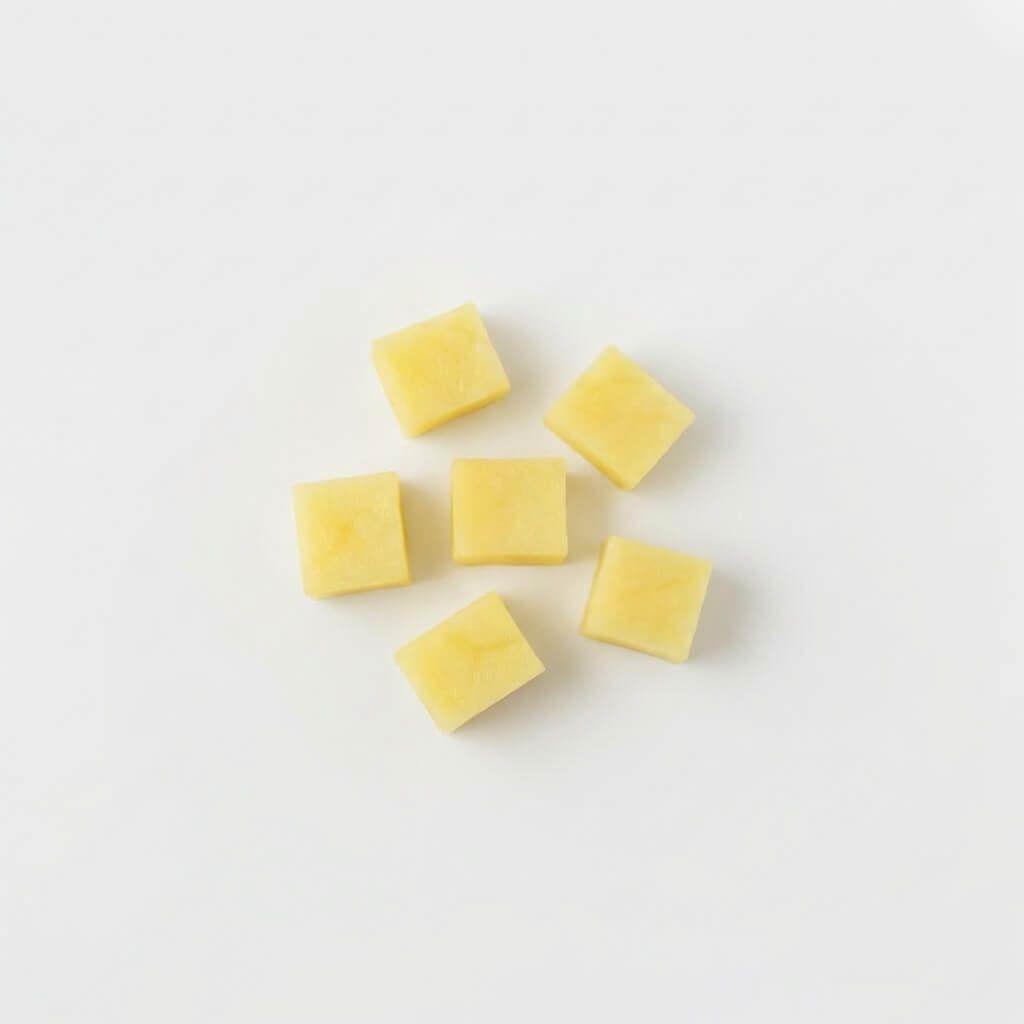
BLW from 12+ Months
Cooked bite-sized pieces. Great for utensil practice.
Nutritional Benefits
Parsnips are nutrient-rich root vegetables providing fiber, vitamins C and K, folate, and potassium. Their natural sweetness and soft cooked texture make them ideal for introducing babies to vegetables.
Key Nutrients
Fiber
Supports healthy digestion and gut health.
Vitamin C
Boosts immune function and aids iron absorption.
Folate
Supports cell growth and neurological development.
Potassium
Helps maintain proper muscle function and hydration.
Vitamin K
Supports bone health and blood clotting.
Allergen & Choking Information
Not a Common Allergen
Parsnips are not a common allergen. Always cook until very soft to minimize choking risk. Cut into appropriate sizes for your baby's age and developmental stage.
Frequently Asked Questions
When can babies eat Parsnips?
Around 6 months (when baby shows signs of readiness for solids)
How do I prepare Parsnips puree for my baby?
Cook parsnip until very soft, then puree until smooth. Can mix with other vegetables for variety.
What are the nutritional benefits of Parsnips?
Parsnips are nutrient-rich root vegetables providing fiber, vitamins C and K, folate, and potassium. Their natural sweetness and soft cooked texture make them ideal for introducing babies to vegetables.
Sources & Related Resources
Get Personalized Guidance for Every Feeding Stage
Download the Grubsy app to track meals, get tailored recommendations, and explore foods like Parsnip plus hundreds more, all in one place.
Disclaimer: This information is for educational purposes only and does not replace professional medical advice.