Melon for Babies
Baby Food Guide from 6 Months
Puree
6+
Months
BLW
6+
Months
Choking Hazard
Moderate
Allergen
No
Key Nutrients
Water Content • Vitamin C • Vitamin A
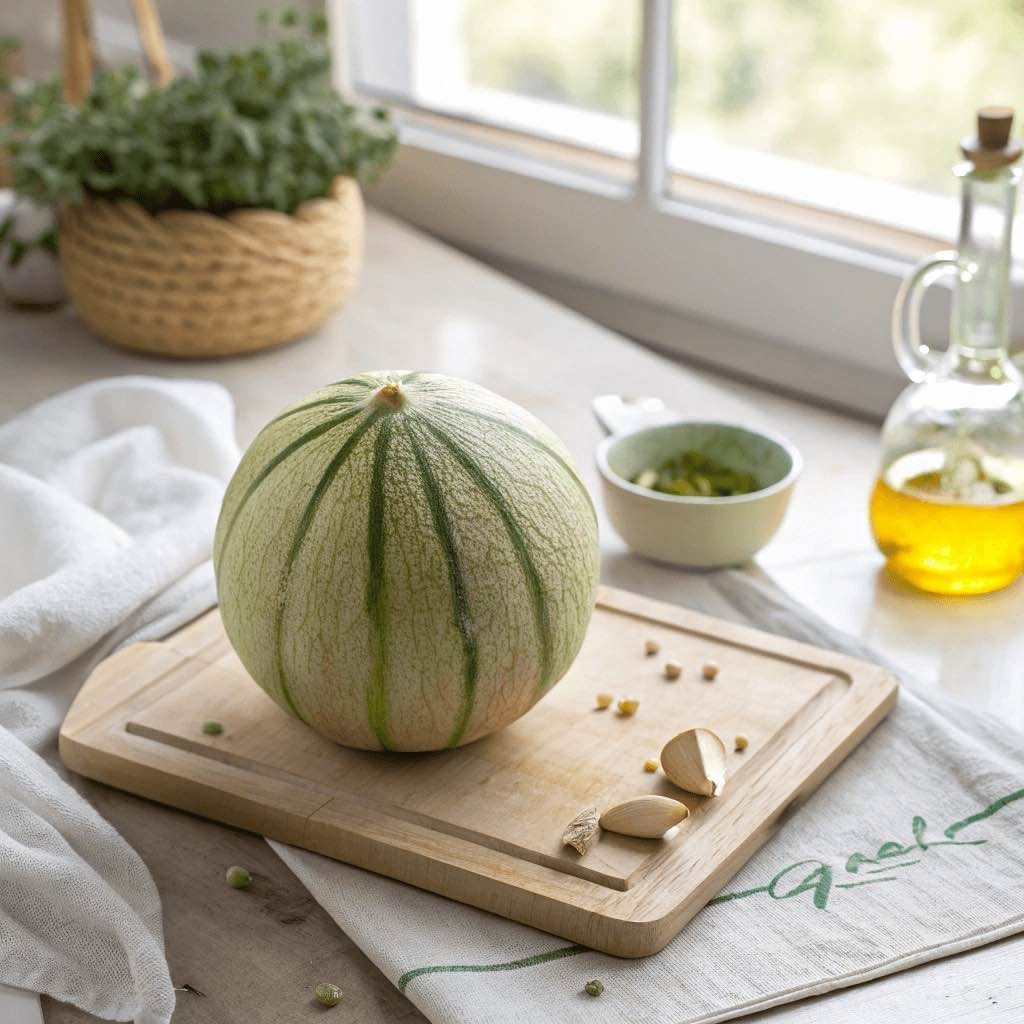
Can Babies Eat Melon?
Melon covers a whole family of fruit, watermelon, cantaloupe, honeydew, and all of them are mostly water, which makes melon a genuinely useful way to keep babies hydrated on hot days. Each variety brings something slightly different: cantaloupe is rich in vitamin A and C, watermelon has lycopene, and honeydew brings potassium. All three offer natural sweetness without any added sugar, plus B vitamins and antioxidants that support a growing immune system.
Ripe melon turns soft enough for even young babies to gum, but it's also notably slippery, so shape matters more here than with most fruits. Flat strips work far better than round cubes or balls, which are genuinely easy to choke on. Most babies meet melon in summer, when it's cheap, ripe, and an easy way to add extra fluids on a hot day.
Melon isn't a common allergen, though it can occasionally cause mild, temporary redness around the mouth that isn't a true allergic reaction. Choose fruit that's fully ripe and fragrant at the stem end for the easiest, safest first tries.
Melon Baby Food: How to Prepare It
Puree from 6+ Months
Mash very ripe melon until smooth. Mix with other fruits as desired.
BLW from 6+ Months
Long flat wedges or strips (seeds and rind removed). Avoid round balls or cubes - choking risk.
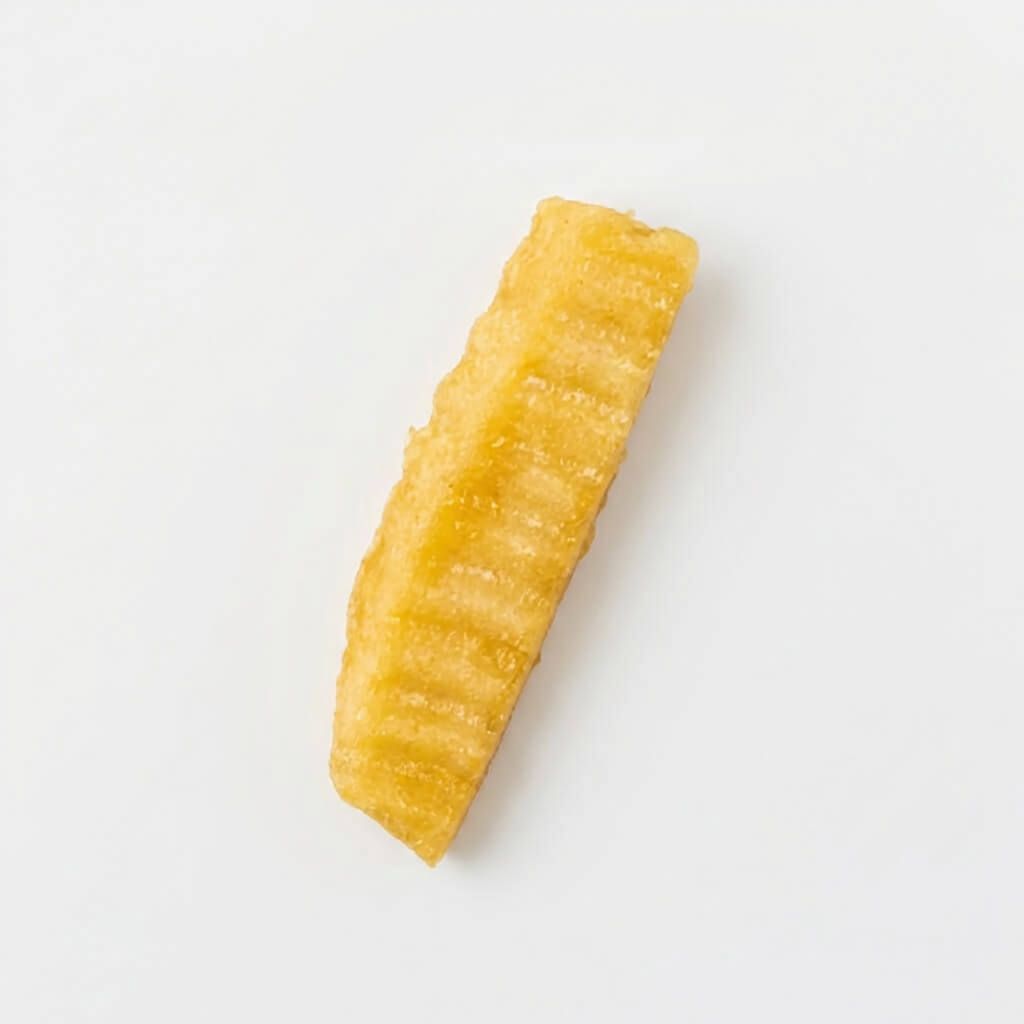
BLW from 9+ Months
Flat strips or wedges. Continue avoiding round shapes.
Nutritional Benefits
Melon provides exceptional hydration, immune-supporting vitamins, and natural sweetness that appeals to babies while delivering important nutrients in a refreshing package.
Key Nutrients
Water Content
Excellent hydration support, especially during warm weather.
Vitamin C
Boosts immune function and helps absorb iron from foods.
Vitamin A
Supports vision, immune health, and skin development (especially cantaloupe).
Potassium
Supports heart health and proper muscle function.
Lycopene
Powerful antioxidant for cell protection (especially watermelon).
Allergen & Choking Information
Not a Common Allergen
Melon is not a common allergen. Very slippery - cut into flat strips, not round balls or cubes. Remove all seeds and rind. Ensure very ripe and soft.
Frequently Asked Questions
When can babies eat Melon?
Around 6 months (when very ripe)
How do I prepare Melon puree for my baby?
Mash very ripe melon until smooth. Mix with other fruits as desired.
What are the nutritional benefits of Melon?
Melon provides exceptional hydration, immune-supporting vitamins, and natural sweetness that appeals to babies while delivering important nutrients in a refreshing package.
Sources & Related Resources
Get Personalized Guidance for Every Feeding Stage
Download the Grubsy app to track meals, get tailored recommendations, and explore foods like Melon plus hundreds more, all in one place.
Disclaimer: This information is for educational purposes only and does not replace professional medical advice.