Lettuce for Babies
Baby Food Guide from 6 Months
Puree
6+
Months
BLW
6+
Months
Choking Hazard
Moderate
Allergen
No
Key Nutrients
Vitamin A • Vitamin K • Folate
Can Babies Eat Lettuce?
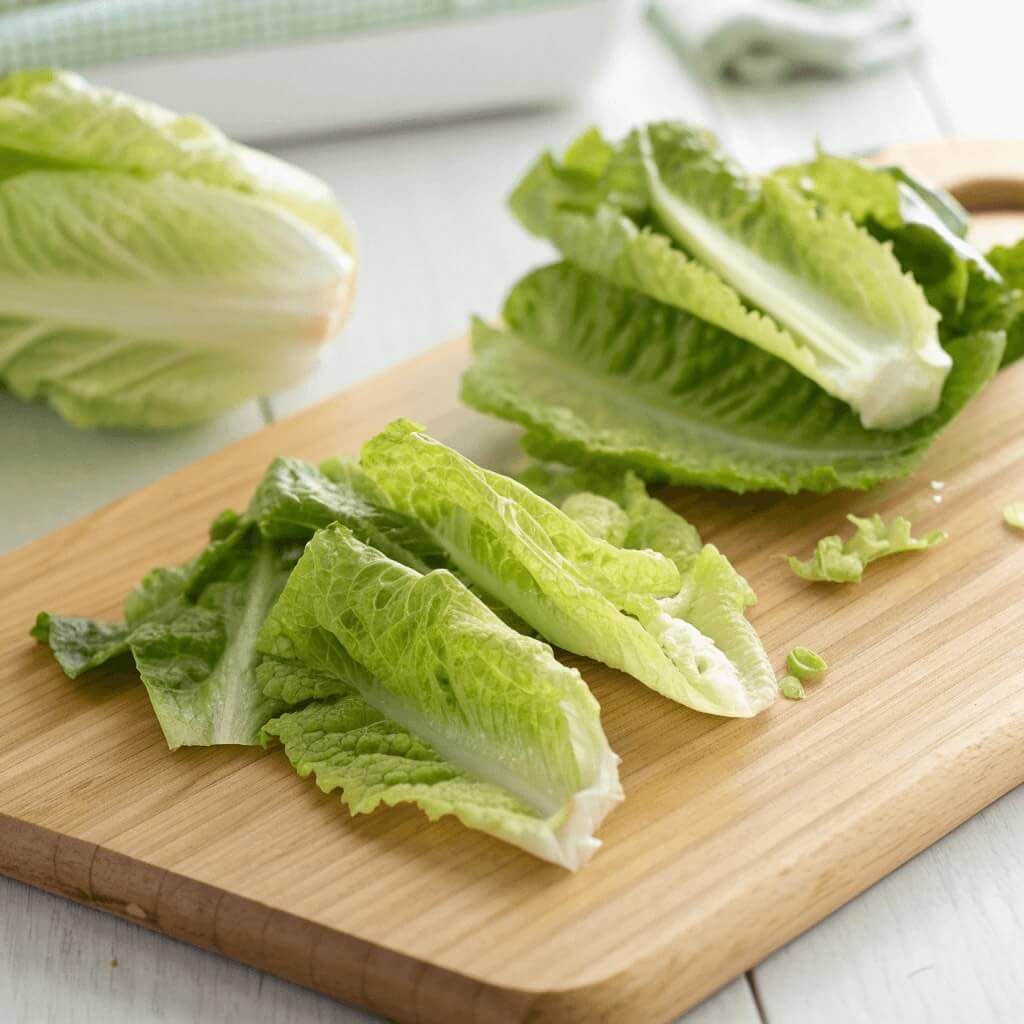
Lettuce is a crisp, watery leafy green with a mild taste, an easy way to introduce your baby to leafy vegetables before moving on to stronger, more bitter ones like spinach or kale. Not all lettuce is the same experience: butter and Bibb are the softest and mildest, romaine has more crunch and more nutrients, and iceberg brings the most crunch with the least flavor or nutritional value.
Nutritionally, lettuce is mostly water, about 95 percent, which makes it genuinely useful for keeping babies hydrated, plus small amounts of vitamin A, vitamin K, and folate. It's not the most nutrient-dense green on the shelf, but its mild flavor means babies actually eat it without a fight, which counts for more than people give it credit for. The leaves themselves can be slippery and tricky to chew, so finely chopped or cooked lettuce works better than whole leaves for a first try.
Lettuce isn't a common allergen. Its neutral taste makes it an easy, low-drama add-in to mixed dishes, salads, wraps, grain bowls, without overpowering whatever else is on the plate.
Lettuce Baby Food: How to Prepare It
Puree from 6+ Months
Steam or boil soft lettuce varieties (butter or Bibb) until very soft and wilted. Blend into smooth puree, mixing with cooked potatoes, peas, or other mild vegetables for added texture and nutrition.
BLW from 6+ Months
Offer finely shredded cooked lettuce mixed into purees or grains.
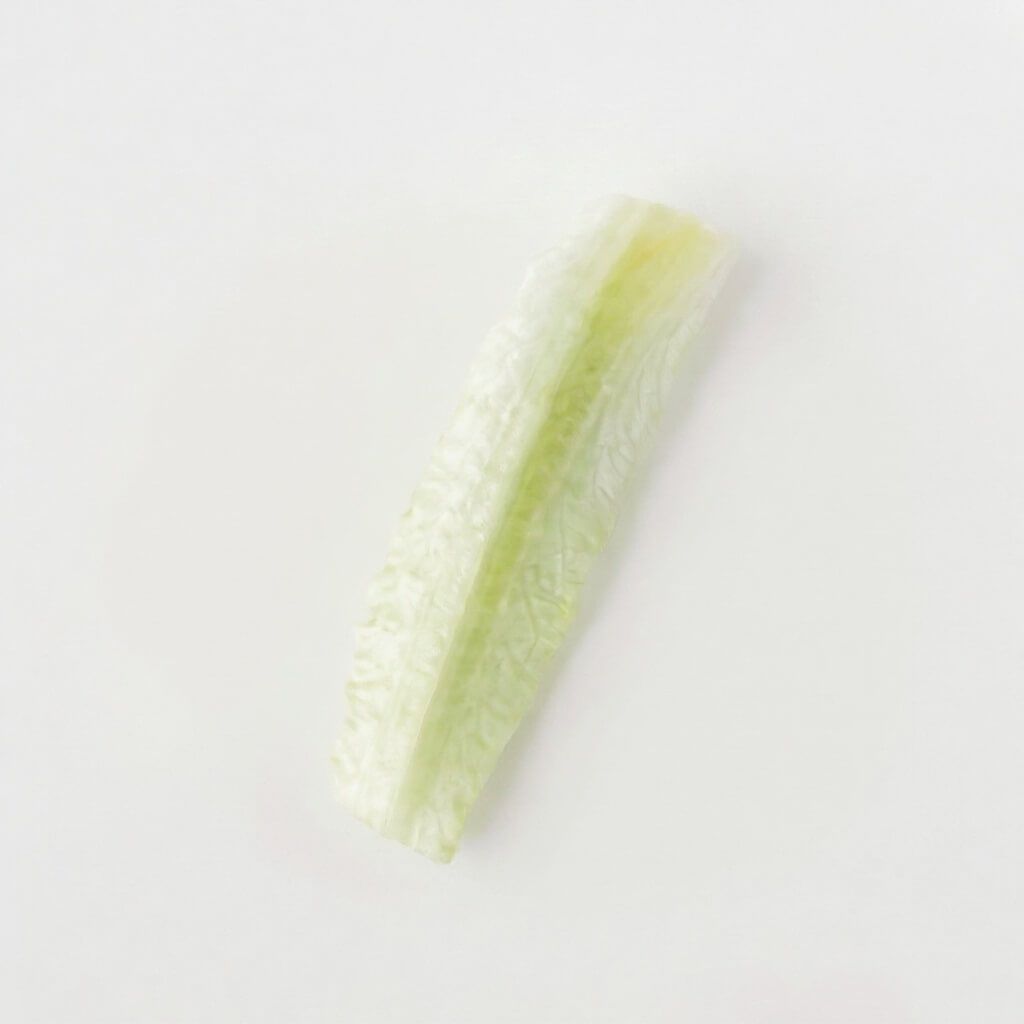
BLW from 9+ Months
Mix small chopped pieces into soft foods or omelets for mild crunch introduction.
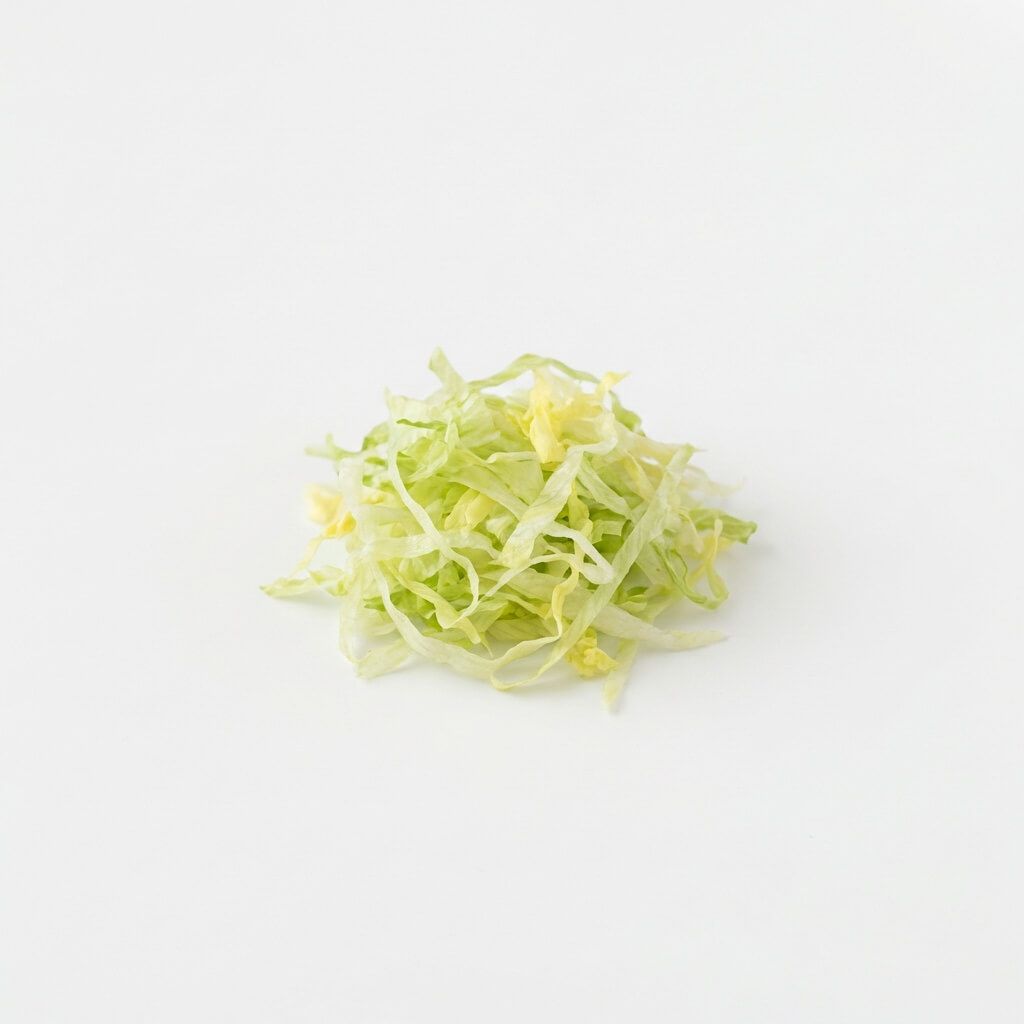
BLW from 12+ Months
Serve finely chopped raw lettuce in small salads with mild dressing. Encourage self-feeding.
Nutritional Benefits
Lettuce adds mild flavor, hydration (95% water), and gentle texture variety expanding baby's vegetable range. Accessible entry point to leafy greens with high acceptance rate.
Key Nutrients
Vitamin A
Supports vision and immune health.
Vitamin K
Aids bone growth and blood clotting.
Folate
Encourages healthy cell and tissue growth.
Fiber
Supports digestion and gut health.
Water
Hydrates and aids digestion.
Allergen & Choking Information
Not a Common Allergen
Lettuce is not a common allergen but leafy texture poses choking risks. Finely chop or cook for babies under 12 months. Raw lettuce can be slippery and difficult to chew.
Frequently Asked Questions
When can babies eat Lettuce?
Around 6 months (as cooked or finely shredded)
How do I prepare Lettuce puree for my baby?
Steam or boil soft lettuce varieties (butter or Bibb) until very soft and wilted. Blend into smooth puree, mixing with cooked potatoes, peas, or other mild vegetables for added texture and nutrition.
What are the nutritional benefits of Lettuce?
Lettuce adds mild flavor, hydration (95% water), and gentle texture variety expanding baby's vegetable range. Accessible entry point to leafy greens with high acceptance rate.
Sources & Related Resources
Get Personalized Guidance for Every Feeding Stage
Download the Grubsy app to track meals, get tailored recommendations, and explore foods like Lettuce plus hundreds more, all in one place.
Disclaimer: This information is for educational purposes only and does not replace professional medical advice.