Lemon for Babies
Baby Food Guide from 6 Months
Puree
6+
Months
BLW
6+
Months
Choking Hazard
Low
Allergen
No
Key Nutrients
Vitamin C • Antioxidants • Folate
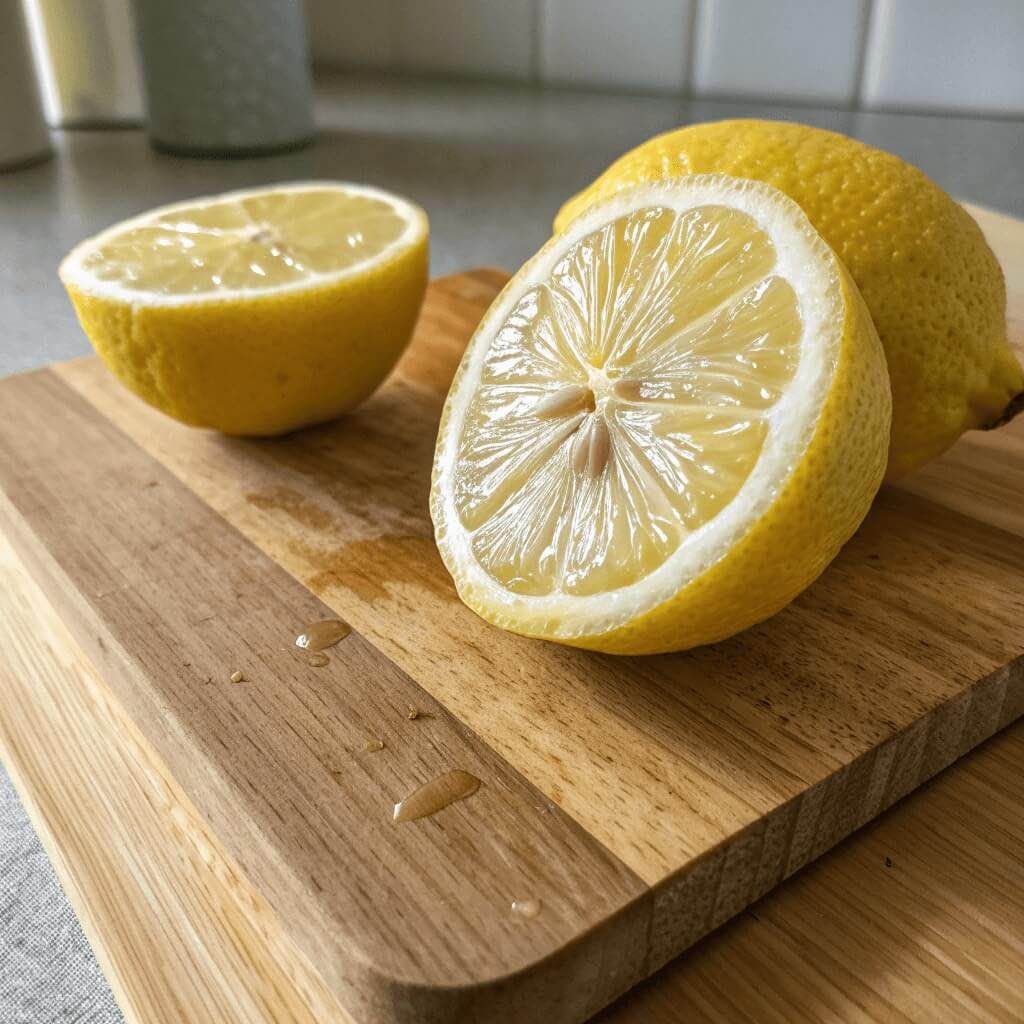
Can Babies Eat Lemon?
Lemon rarely stands alone on a baby's plate, it works more like a flavor booster. A few drops of juice or a pinch of zest stirred into other foods brightens the taste and helps the body absorb more iron from plant foods like lentils or spinach, which is a genuinely useful trick for iron-rich baby meals.
It's also one of the earliest ways to introduce a truly sour, non-sweet taste. Babies often react to that first hit of lemon with a scrunched-up face, which looks dramatic but is completely normal and tends to fade as they get more used to it. Zest gives a strong citrus flavor without adding much sourness at all, which makes it an easy way in.
Lemon isn't a common allergen, though the acid can leave temporary redness around a baby's mouth after eating, which looks alarming but isn't a reaction. Fresh juice is always a better choice than bottled.
Lemon Baby Food: How to Prepare It
Puree from 6+ Months
Add just 2-3 drops of fresh lemon juice to fruit or vegetable purees to boost vitamin C content and enhance iron absorption. Never serve lemon alone—too acidic for babies.
BLW from 6+ Months
Use tiny pinch of finely grated lemon zest or few drops juice in soft foods like mashed avocado, pureed lentils, or fish. Never allow direct sucking on lemon slices—too acidic.
BLW from 12+ Months
Offer small lemon wedge (seeds removed) for supervised tasting if desired. Use lemon juice to flavor cooked fish, chicken, or roasted vegetable dishes for family meals.
Nutritional Benefits
Lemons provide exceptional vitamin C and antioxidants enhancing immunity and iron absorption from plant foods. Small amounts of juice or zest introduce complex tangy flavors safely.
Key Nutrients
Vitamin C
Boosts the immune system and improves iron absorption.
Antioxidants
Help protect cells and promote overall health.
Folate
Supports cell growth and tissue repair.
Potassium
Maintains heart rhythm and muscle function.
Calcium
Supports healthy bones and teeth.
Allergen & Choking Information
Not a Common Allergen
Lemon is not a common allergen, but acidity may cause temporary skin irritation around mouth (normal, not allergy). Never give raw lemon wedges/peels to babies—choking hazard.
Frequently Asked Questions
When can babies eat Lemon?
Around 6 months (as juice or zest in foods)
How do I prepare Lemon puree for my baby?
Add just 2-3 drops of fresh lemon juice to fruit or vegetable purees to boost vitamin C content and enhance iron absorption. Never serve lemon alone—too acidic for babies.
What are the nutritional benefits of Lemon?
Lemons provide exceptional vitamin C and antioxidants enhancing immunity and iron absorption from plant foods. Small amounts of juice or zest introduce complex tangy flavors safely.
Sources & Related Resources
Get Personalized Guidance for Every Feeding Stage
Download the Grubsy app to track meals, get tailored recommendations, and explore foods like Lemon plus hundreds more, all in one place.
Disclaimer: This information is for educational purposes only and does not replace professional medical advice.