Lamb for Babies
Baby Food Guide from 6 Months
Puree
6+
Months
BLW
6+
Months
Choking Hazard
Moderate
Allergen
No
Key Nutrients
Iron • Protein • Zinc
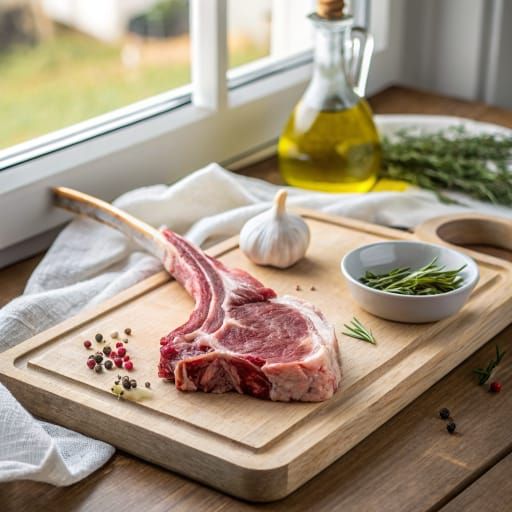
Can Babies Eat Lamb?
Lamb is a rich, iron-dense red meat with a more savory, slightly gamey flavor than chicken, and many babies take to it easily. It supplies heme iron, the form the body absorbs far more efficiently than the iron in plant foods, which matters right around 6 months, when a baby's own iron stores built up before birth start running low.
Alongside iron, lamb brings complete protein, zinc, and vitamin B12 to support rapid growth and a healthy immune system. Lamb isn't a common allergen, so the real thing to get right is texture: it needs to be cooked all the way through and kept soft, and it should never be served as firm cubes or chunks at any age, since those are hard for a baby to break down safely.
Well-cooked, shredded lamb is also a good way to introduce a bolder, more complex savory flavor than the milder taste of chicken.
Lamb Baby Food: How to Prepare It
Puree from 6+ Months
Blend well-cooked ground or braised lamb with its cooking juices, broth, or mashed vegetables until smooth. Fine crumbles can also be stirred into porridge, mashed vegetables, or yogurt.
BLW from 6+ Months
Offer well-done ground lamb mixed into a scoopable food like mashed vegetables, porridge, or yogurt. A bone-in lamb chop with loose meat and fat trimmed off, or a thick strip of braised lamb shank about as wide as two adult fingers, also works well for gnawing.
BLW from 9+ Months
Serve small shreds of well-cooked lamb on their own or in a meal, or a meatball broken into small bite-sized pieces.
BLW from 12+ Months
Offer shredded chop or braised shank meat, or thin strips cut into bite-sized pieces and dipped in sauce for moisture. By 18 months, most toddlers can manage patties, meatballs, and larger strips.
Nutritional Benefits
Lamb is a rich source of easily absorbed heme iron and complete protein, making it a valuable early meat for supporting a baby's growth and replenishing iron stores after 6 months.
Key Nutrients
Iron
Supports healthy blood and brain development.
Protein
Builds muscle and supports rapid growth.
Zinc
Aids immune function and wound healing.
Vitamin B12
Supports nervous system development.
Niacin
Helps convert food into usable energy.
Allergen & Choking Information
Not a Common Allergen
Lamb is not a common allergen, but it must be cooked all the way through and kept soft. Never serve it as firm cubes or chunks at any age since they are difficult to break down and pose a choking risk.
Frequently Asked Questions
When can babies eat Lamb?
Around 6 months (well-cooked, pureed or shredded)
How do I prepare Lamb puree for my baby?
Blend well-cooked ground or braised lamb with its cooking juices, broth, or mashed vegetables until smooth. Fine crumbles can also be stirred into porridge, mashed vegetables, or yogurt.
What are the nutritional benefits of Lamb?
Lamb is a rich source of easily absorbed heme iron and complete protein, making it a valuable early meat for supporting a baby's growth and replenishing iron stores after 6 months.
Sources & Related Resources
Get Personalized Guidance for Every Feeding Stage
Download the Grubsy app to track meals, get tailored recommendations, and explore foods like Lamb plus hundreds more, all in one place.
Disclaimer: This information is for educational purposes only and does not replace professional medical advice.