Kiwi for Babies
Baby Food Guide from 6 Months
Puree
6+
Months
BLW
6+
Months
Choking Hazard
Low
Allergen
No
Key Nutrients
Vitamin C • Fiber • Vitamin E
Can Babies Eat Kiwi?
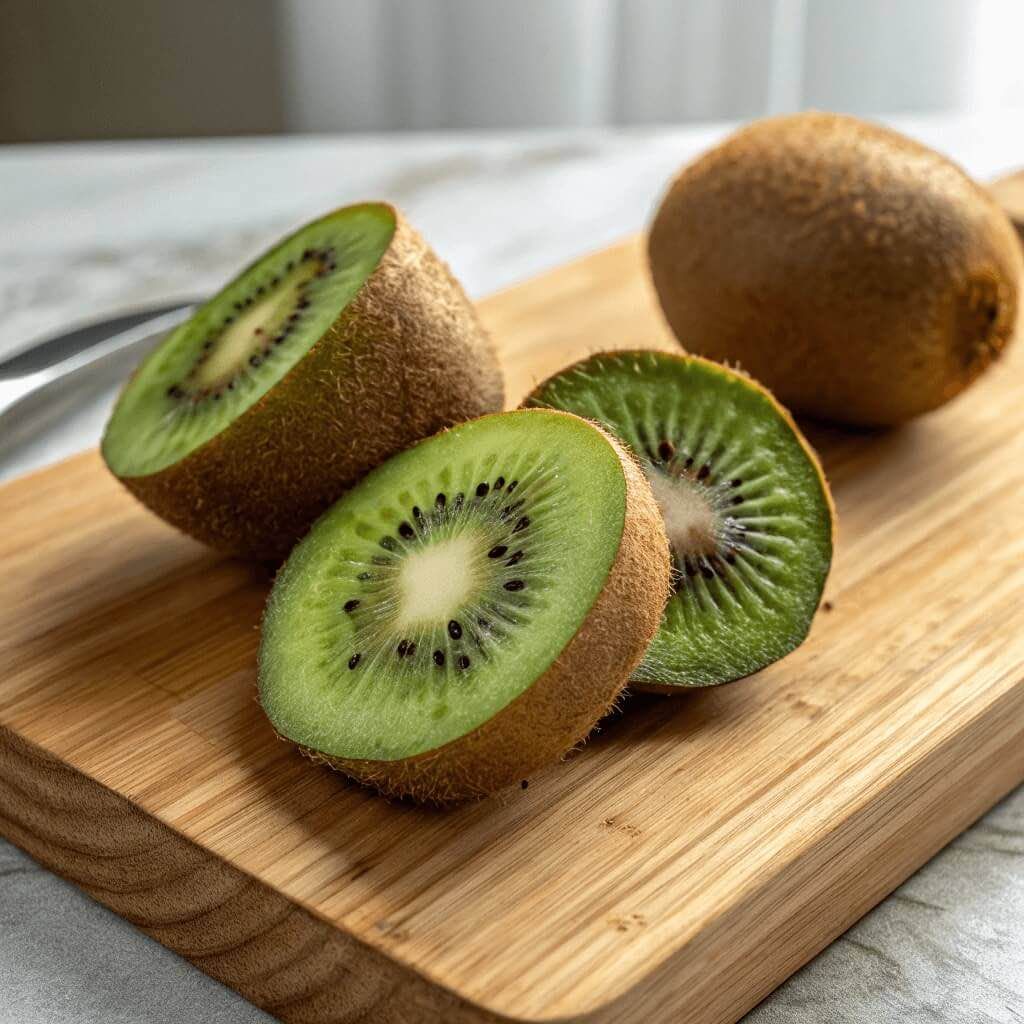
Kiwi actually packs more vitamin C per serving than an orange, along with fiber and antioxidants, so it does a lot of nutritional work for a fruit babies can eat almost from the start of solids. Its sweet-tart flavor also breaks babies out of an all-sweet pattern early, a small step toward a more adventurous palate as they grow.
When fully ripe, kiwi turns soft, juicy, and easy to mash, spoon, or cut into slippery little spears for baby to hold. The tiny black seeds are soft and completely safe to eat, just peel off the fuzzy brown skin first, since that part isn't meant to be eaten.
Some babies do get a little tingling around the mouth after eating kiwi, from the fruit's natural enzymes and acidity rather than a true reaction. Kiwi isn't a common allergen, but as with any new food, it's worth watching the first few times.
Kiwi Baby Food: How to Prepare It
Puree from 6+ Months
Peel very ripe kiwi completely and puree until smooth (seeds will remain but are soft and safe). Serve plain for first introduction or mix with banana or apple puree for milder, sweeter flavor.
BLW from 6+ Months
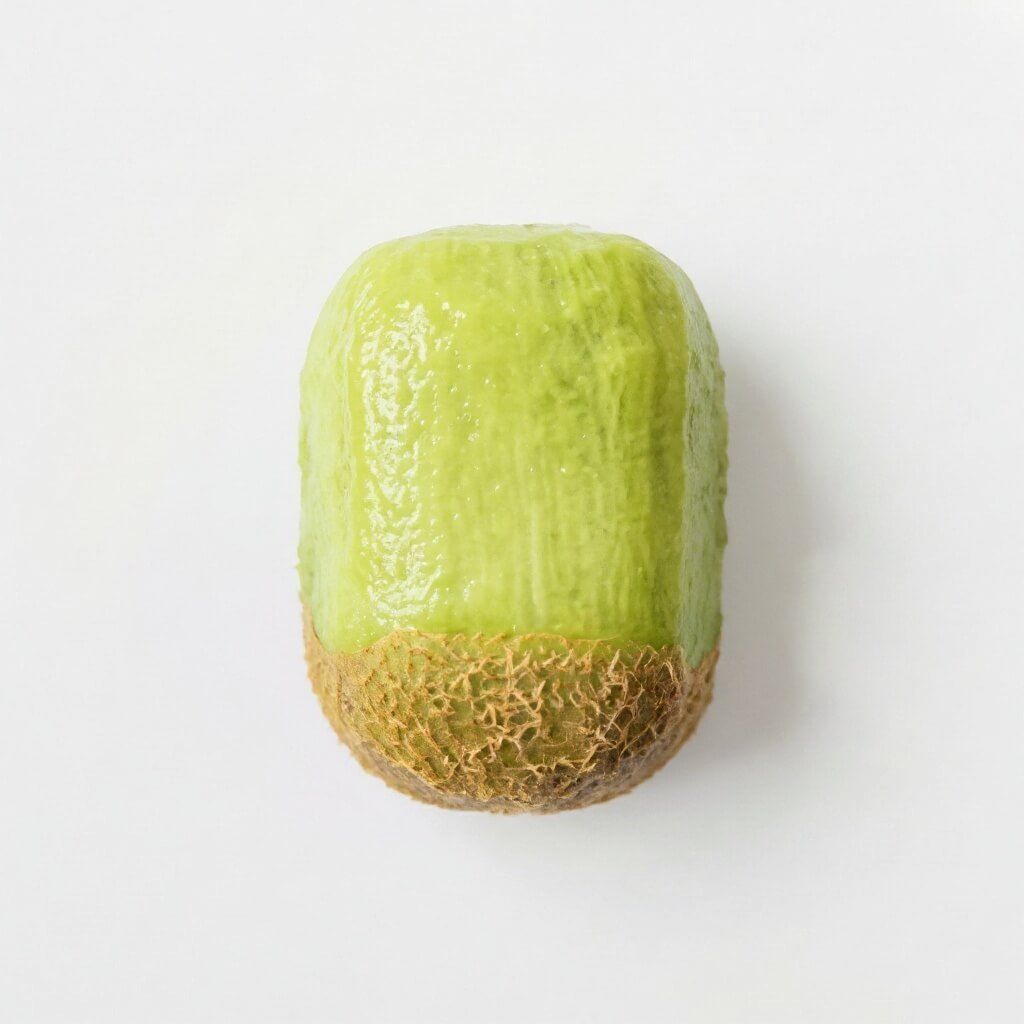
Serve thick spears or halves of very ripe kiwi with small amount of peel left on one end for easier grasping (baby eats flesh, not peel). Ensure fruit is very soft and ripe.
BLW from 9+ Months
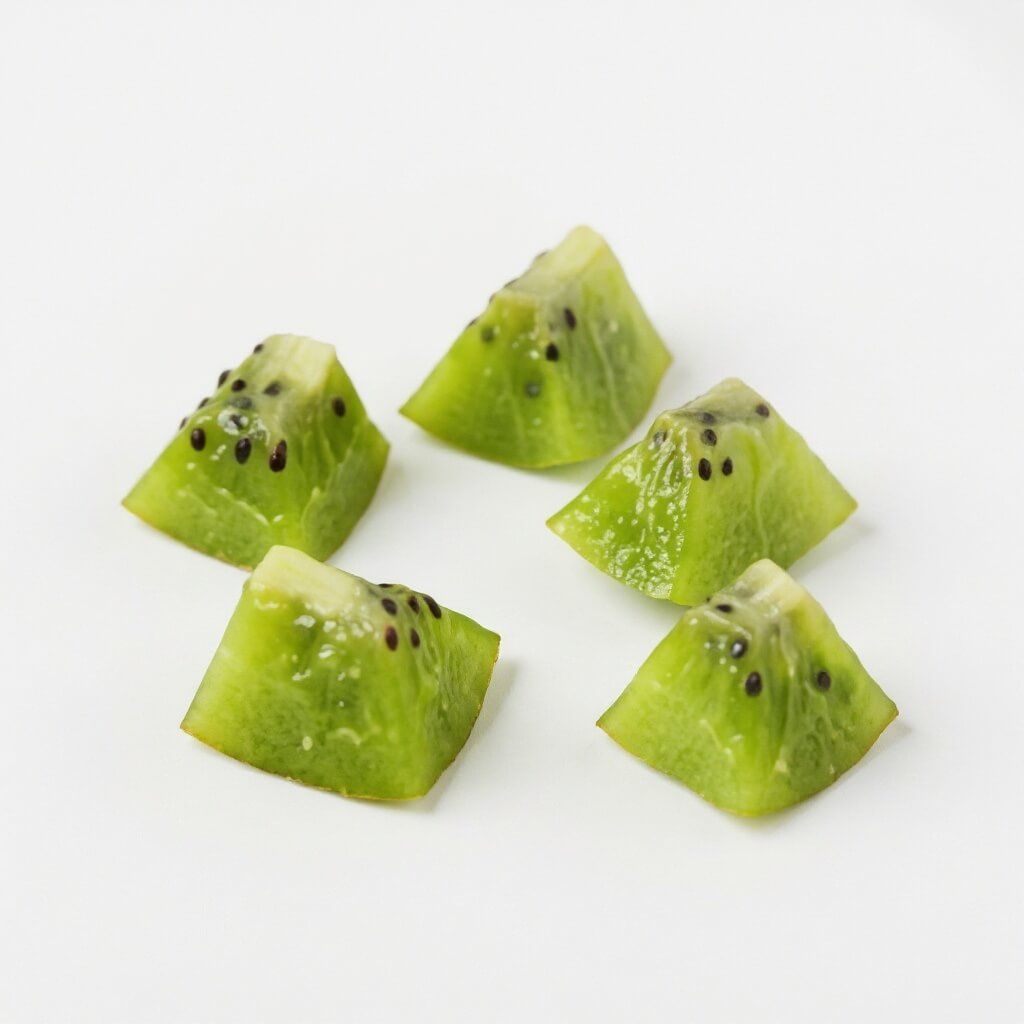
Offer bite-sized cubes or quarter slices of ripe, peeled kiwi for pincer grasp practice. Roll slippery pieces in unsweetened shredded coconut or crushed cereal to improve grip and reduce slipping.
BLW from 12+ Months
Serve diced ripe kiwi mixed into yogurt parfaits, oatmeal, or as part of colorful fruit salads. The bright green color is visually appealing. Encourage independent spoon or fork use.
Nutritional Benefits
Kiwi is exceptionally rich in vitamin C (more than oranges) and fiber, supporting digestive and immune health. Sweet-tart flavor broadens baby's taste experience beyond simple sweetness.
Key Nutrients
Vitamin C
Strengthens immunity and promotes collagen production.
Fiber
Improves digestion and prevents constipation.
Vitamin E
Protects skin and supports immune function.
Folate
Aids cell growth and tissue repair.
Potassium
Maintains healthy blood pressure and muscle tone.
Allergen & Choking Information
Not a Common Allergen
Kiwi is not a common allergen, but natural enzymes/acidity may cause slight tingling around mouth (normal). Always serve very ripe, peeled, and soft pieces to reduce choking risk.
Frequently Asked Questions
When can babies eat Kiwi?
Around 6 months (when ripe and soft)
How do I prepare Kiwi puree for my baby?
Peel very ripe kiwi completely and puree until smooth (seeds will remain but are soft and safe). Serve plain for first introduction or mix with banana or apple puree for milder, sweeter flavor.
What are the nutritional benefits of Kiwi?
Kiwi is exceptionally rich in vitamin C (more than oranges) and fiber, supporting digestive and immune health. Sweet-tart flavor broadens baby's taste experience beyond simple sweetness.
Sources & Related Resources
Get Personalized Guidance for Every Feeding Stage
Download the Grubsy app to track meals, get tailored recommendations, and explore foods like Kiwi plus hundreds more, all in one place.
Disclaimer: This information is for educational purposes only and does not replace professional medical advice.