Kidney Beans for Babies
Baby Food Guide from 6 Months
Puree
6+
Months
BLW
6+
Months
Choking Hazard
Moderate
Allergen
No
Key Nutrients
Iron • Protein • Fiber
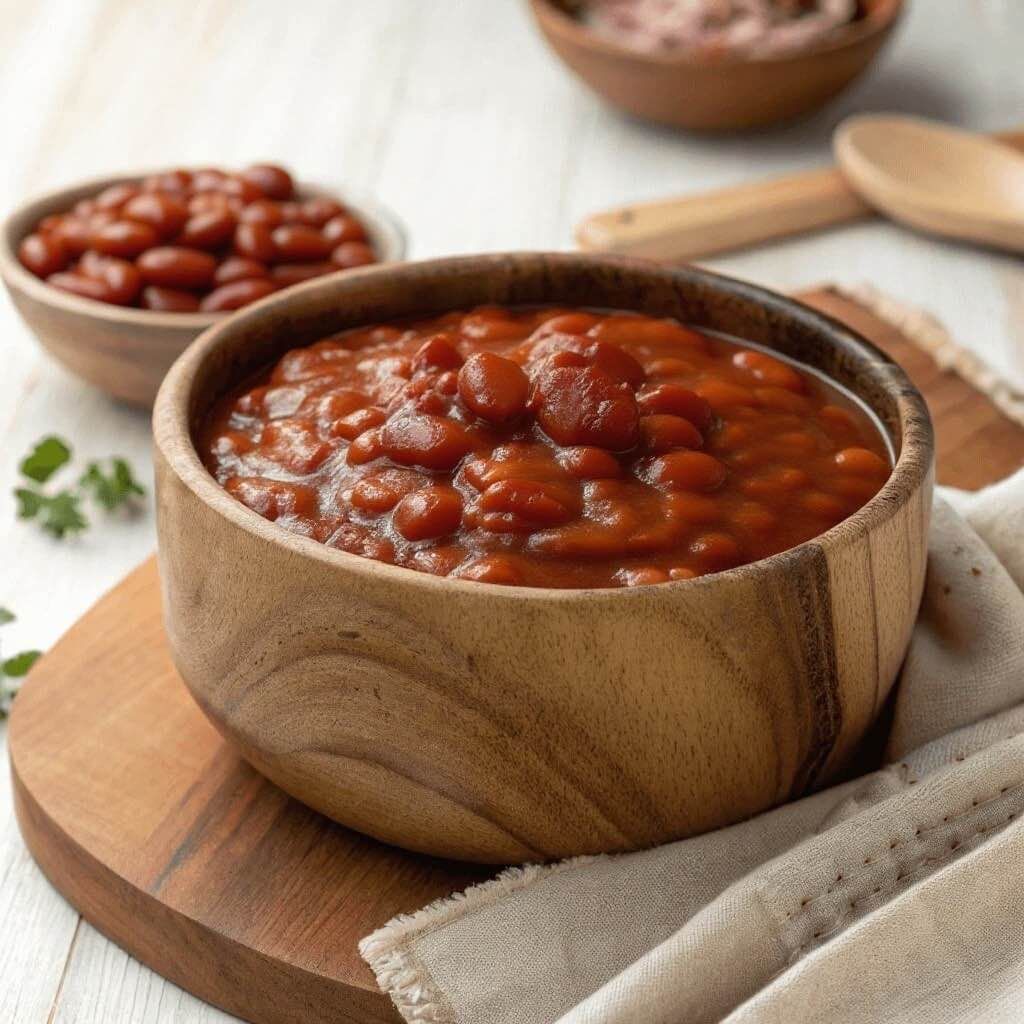
Can Babies Eat Kidney Beans?
Kidney beans are a hearty plant protein for babies: rich in iron, fiber, and folate, and a complete protein once paired with a grain like rice. Their deep red color and kidney shape come with a mild, earthy, faintly sweet flavor that most babies accept without much fuss, especially once it's mixed into a favorite dish.
Cooked until soft, the beans turn creamy inside, easy to mash into a puree or offer whole for pincer-grasp practice once baby's ready. One thing worth knowing: raw or undercooked kidney beans contain a natural toxin that only breaks down with a proper hard boil, which is why dried beans need more than a quick simmer. Canned beans are already cooked and safe, just rinse them well.
They aren't a common allergen, though like most legumes they can cause a bit of gas at first, so it's worth starting small and building up gradually as your baby's gut adjusts.
Kidney Beans Baby Food: How to Prepare It
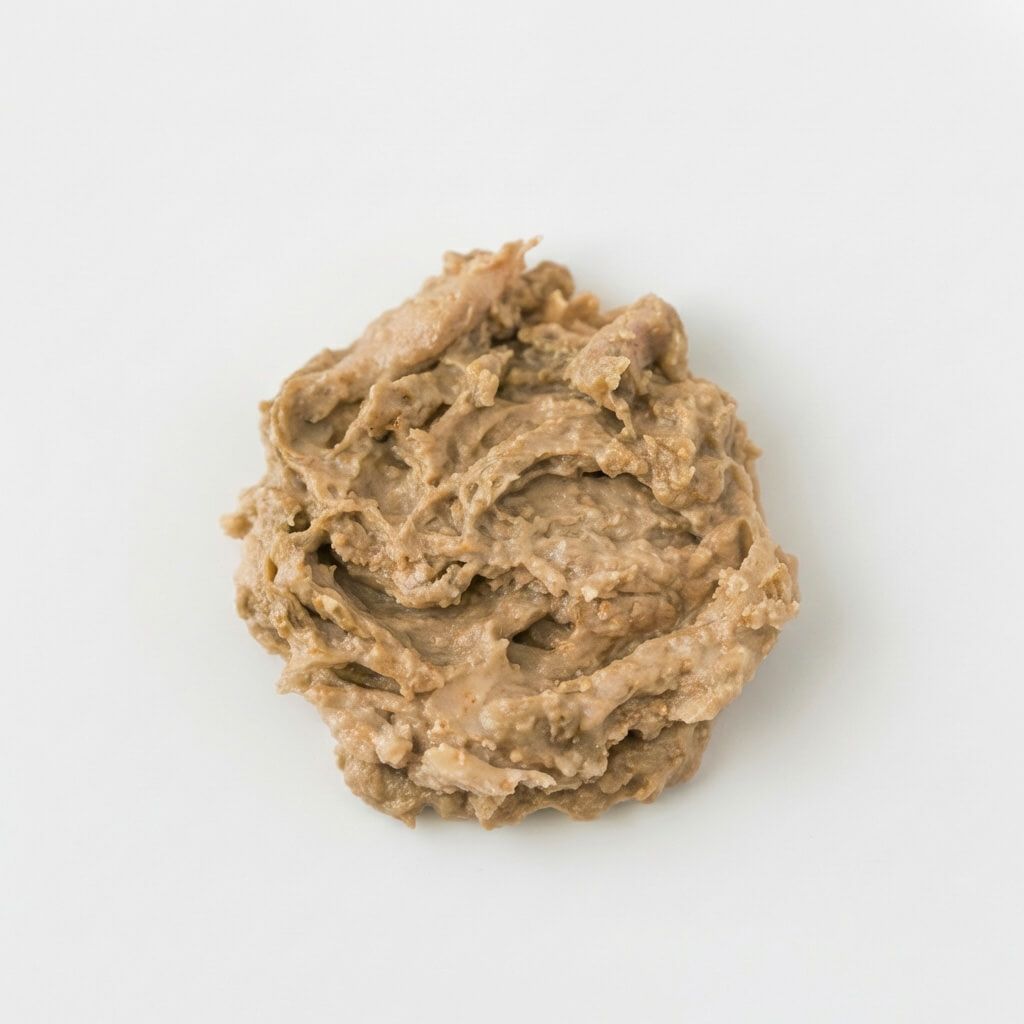
Puree from 6+ Months
Cook kidney beans until very soft and easily mashable (boil vigorously 10+ minutes first if using dried beans). Rinse canned beans thoroughly. Blend with cooking water, breast milk, or formula until smooth and creamy. Mix with carrots or sweet potatoes for sweetness.
BLW from 6+ Months
Serve thoroughly mashed beans with slightly chunky texture for hand scooping practice or mix into grain dishes like rice or quinoa for balanced nutrition and complete protein.
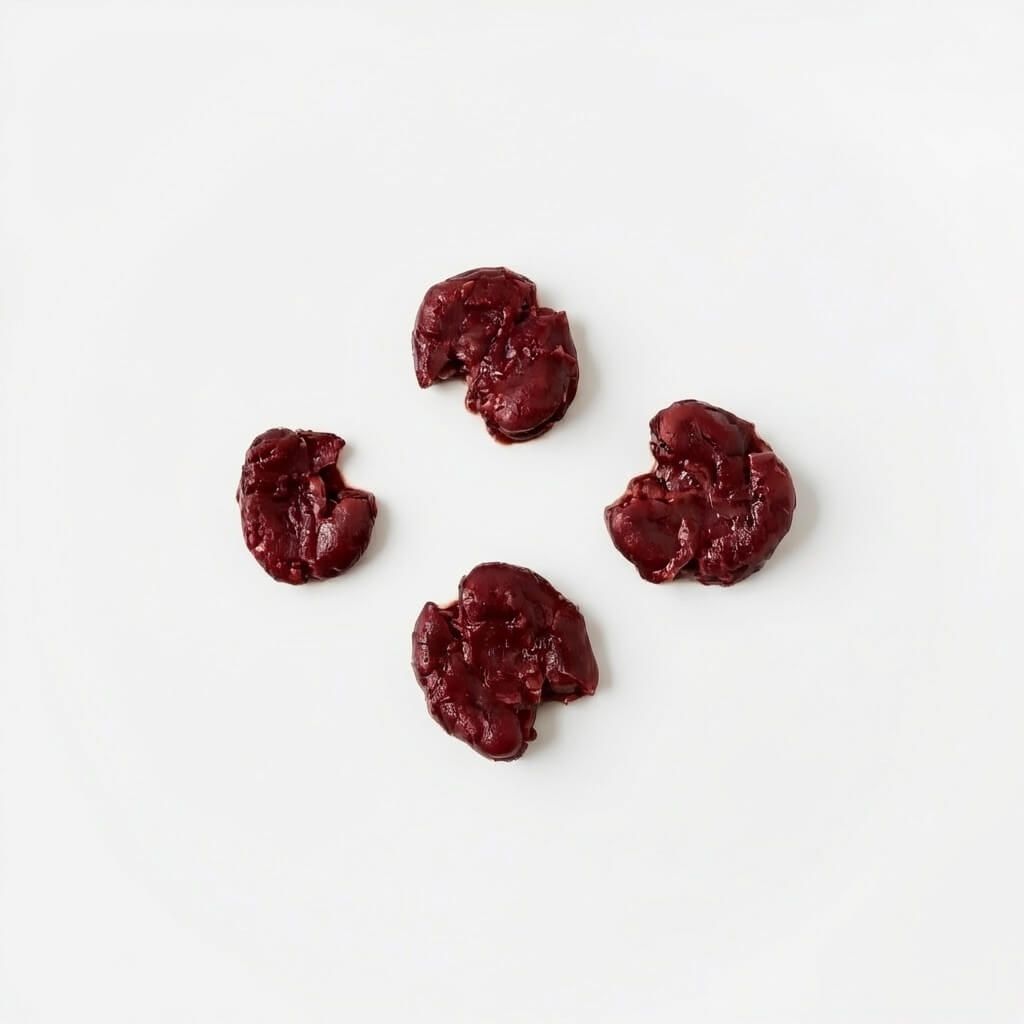
BLW from 9+ Months
Offer whole, very soft-cooked beans slightly flattened between fingers to encourage pincer grasp skills. Mix into soups, stews, or soft vegetable dishes for texture practice.
BLW from 12+ Months
Serve kidney beans in hearty soups, stews, chili, or rice dishes. Season with mild spices like cumin or paprika for flavor development. Encourage independent feeding with utensils for scooping practice.
Nutritional Benefits
Kidney beans provide excellent plant-based protein, iron, and fiber for slow-release energy and healthy digestion. Always cook thoroughly to eliminate natural toxins before serving.
Key Nutrients
Iron
Prevents anemia and supports cognitive development.
Protein
Essential for growth and muscle repair.
Fiber
Promotes digestion and gut health.
Magnesium
Aids bone and muscle function.
Folate
Supports rapid cell growth and tissue repair.
Allergen & Choking Information
Not a Common Allergen
Kidney beans are not common allergens but MUST be thoroughly cooked to eliminate natural toxins (phytohaemagglutinin). Never use slow cooker alone. Mash or flatten to reduce choking risk.
Frequently Asked Questions
When can babies eat Kidney Beans?
Around 6 months (fully cooked and soft)
How do I prepare Kidney Beans puree for my baby?
Cook kidney beans until very soft and easily mashable (boil vigorously 10+ minutes first if using dried beans). Rinse canned beans thoroughly. Blend with cooking water, breast milk, or formula until smooth and creamy. Mix with carrots or sweet potatoes for sweetness.
What are the nutritional benefits of Kidney Beans?
Kidney beans provide excellent plant-based protein, iron, and fiber for slow-release energy and healthy digestion. Always cook thoroughly to eliminate natural toxins before serving.
Sources & Related Resources
Get Personalized Guidance for Every Feeding Stage
Download the Grubsy app to track meals, get tailored recommendations, and explore foods like Kidney Beans plus hundreds more, all in one place.
Disclaimer: This information is for educational purposes only and does not replace professional medical advice.