Kefir for Babies
Baby Food Guide from 6 Months
Puree
6+
Months
BLW
6+
Months
Choking Hazard
Low
Allergen
Yes
Key Nutrients
Calcium • Protein • Probiotics
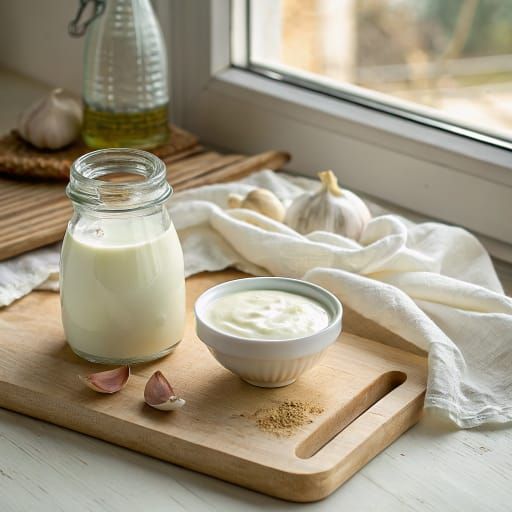
Can Babies Eat Kefir?
Kefir is a tangy, fermented milk drink, pourable and slightly effervescent, made by culturing milk with kefir grains, a mix of beneficial bacteria and yeast. It often carries a wider range of live bacterial strains than a typical yogurt, alongside calcium, phosphorus, complete protein, and vitamin B12, making it a genuinely useful food for a young, developing gut.
Because kefir is made from cow's milk, dairy is a major allergen, so it's worth introducing carefully and watching for a reaction such as rash or digestive upset. The rule that matters more than texture here: kefir should be eaten with a spoon like a food, not poured into a bottle or sippy cup, until your baby turns one.
Plain, full-fat, unsweetened kefir is the best first choice, since flavored versions marketed to kids often carry a lot of added sugar. Strained or Greek-style versions are naturally thicker and easier to spoon, which makes them a good starting point.
Kefir Baby Food: How to Prepare It
Puree from 6+ Months
Stir plain, full-fat, pasteurized kefir into cooked cereal, mashed potato, or another soft puree rather than serving it as a drink. Choose an unsweetened variety with no added sugar or honey.
BLW from 6+ Months
Blend kefir through cooked cereal or buckwheat, fold it into mashed potato, or thicken it with nut butter to make a dippable paste for soft finger foods. Strained, Greek-style kefir and kefir cheese work especially well. Keep it out of bottles and sippy cups entirely.
BLW from 9+ Months
Continue offering kefir stirred into porridge, mashed vegetables, or yogurt, or thickened with nut butter as a dip. Strained kefir or kefir cheese spread thinly on soft foods also works well.
BLW from 12+ Months
Kefir can now be served mixed into meals or on its own as a drink from an open cup. Blend it with fresh fruit and freeze in molds for a probiotic-rich treat. Keep dairy to about two to two and a half servings a day.
Nutritional Benefits
Kefir combines calcium, complete protein, and one of the most diverse ranges of live probiotic cultures found in any dairy food, making it a valuable choice for supporting bone growth and a healthy gut in babies old enough for dairy.
Key Nutrients
Calcium
Builds strong bones and teeth during rapid growth.
Protein
Supports muscle and tissue development.
Probiotics
Live bacterial cultures that support healthy gut flora and digestion.
Vitamin B12
Supports nervous system and red blood cell development.
Phosphorus
Works alongside calcium to build strong bones.
Allergen & Choking Information
Common Allergen
Kefir is made from cow's milk, and dairy is a major allergen, so introduce it in a small amount and watch for reactions like rash, hives, or digestive upset. It carries very little choking risk since it is smooth and semi-liquid, but should be served as a food eaten with a spoon rather than poured into a bottle or sippy cup before 12 months.
Frequently Asked Questions
When can babies eat Kefir?
Around 6 months (stirred into food, not served as a drink)
How do I prepare Kefir puree for my baby?
Stir plain, full-fat, pasteurized kefir into cooked cereal, mashed potato, or another soft puree rather than serving it as a drink. Choose an unsweetened variety with no added sugar or honey.
What are the nutritional benefits of Kefir?
Kefir combines calcium, complete protein, and one of the most diverse ranges of live probiotic cultures found in any dairy food, making it a valuable choice for supporting bone growth and a healthy gut in babies old enough for dairy.
Sources & Related Resources
Get Personalized Guidance for Every Feeding Stage
Download the Grubsy app to track meals, get tailored recommendations, and explore foods like Kefir plus hundreds more, all in one place.
Disclaimer: This information is for educational purposes only and does not replace professional medical advice.