Grape for Babies
Baby Food Guide from 9 Months
Puree
9+
Months
Choking Hazard
High
Allergen
No
Key Nutrients
Vitamin C • Vitamin K • Antioxidants
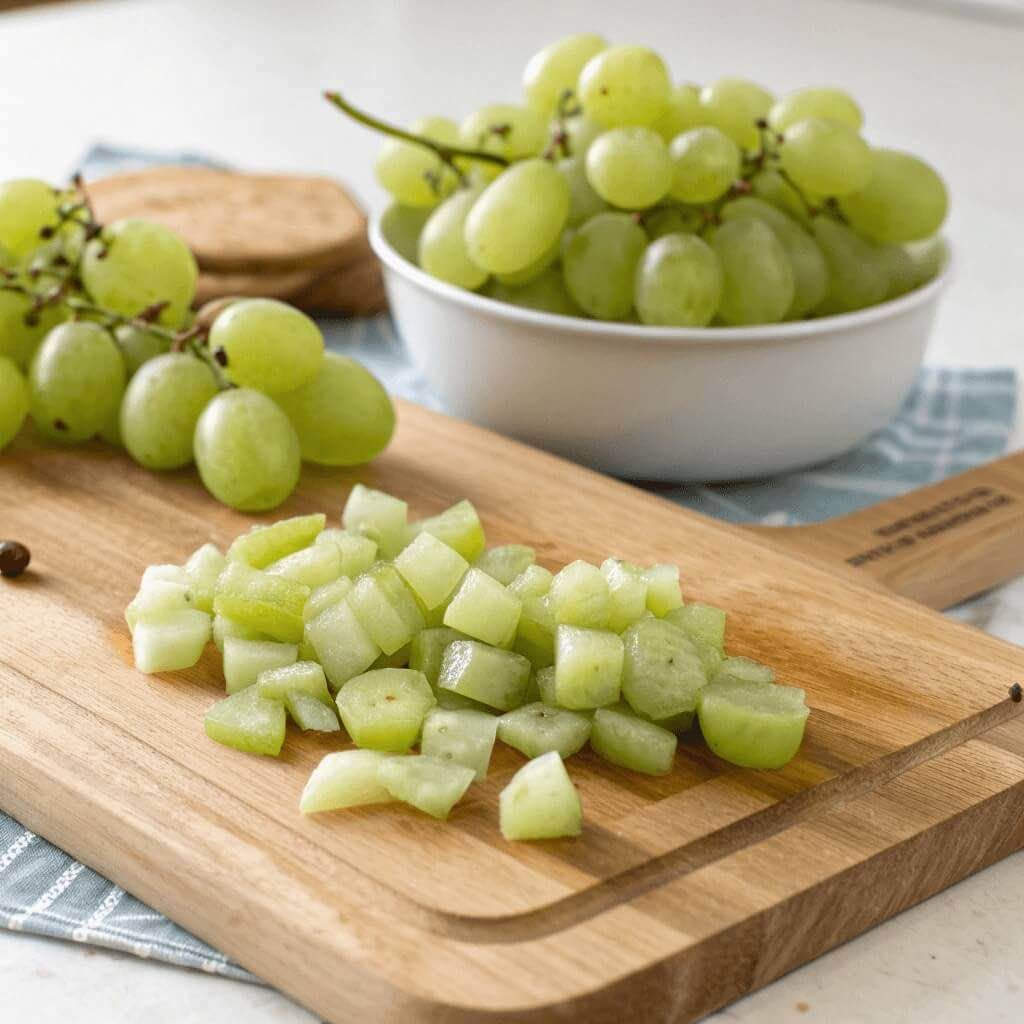
Can Babies Eat Grape?
Grapes are a favorite first fruit: naturally sweet, juicy, and a good source of vitamin C, vitamin K, and antioxidants like resveratrol, with enough water content to help with hydration too. It's easy to see why they're so popular with babies and toddlers alike.
The catch is texture: a whole grape is round, firm, and slippery, exactly the size and shape to block a small airway, which is why grapes are one of the most common choking hazards for young children. They should always be cut lengthwise into quarters rather than served whole or in halves, and that rule holds well beyond the baby stage, since many pediatricians recommend quartering grapes until around age four.
Once cut safely, ripe, soft grapes are easy for babies to gum and enjoy, and their natural sweetness makes them an easy fruit to love from the first bite. They aren't a common allergen, so texture and preparation, not ingredients, are really the only thing to think about here.
Grape Baby Food: How to Prepare It
Puree from 9+ Months
Cook seedless grapes until very soft and skins slip off easily. Remove all skins and seeds, then puree until completely smooth. Mix with applesauce or yogurt for added sweetness and creaminess.
BLW from 9+ Months
CRITICAL: Cut seedless grapes lengthwise into QUARTERS (not halves). Can peel if desired. Choose ripe, soft grapes. Supervise closely—grapes remain choking hazards even when quartered.
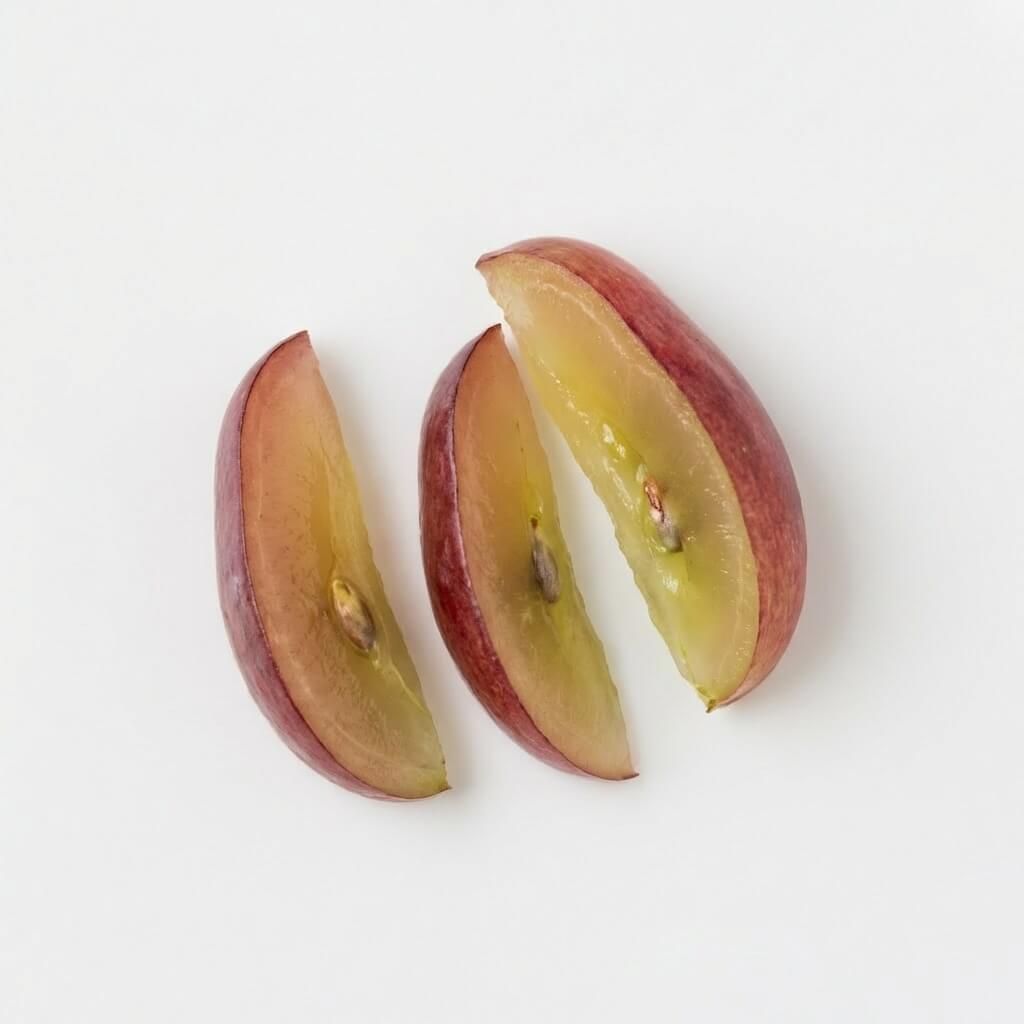
BLW from 12+ Months
Continue serving QUARTERED grapes only (lengthwise into 4 pieces). Encourage thorough chewing. ALWAYS supervise closely—grapes remain serious choking hazards until age 4+.
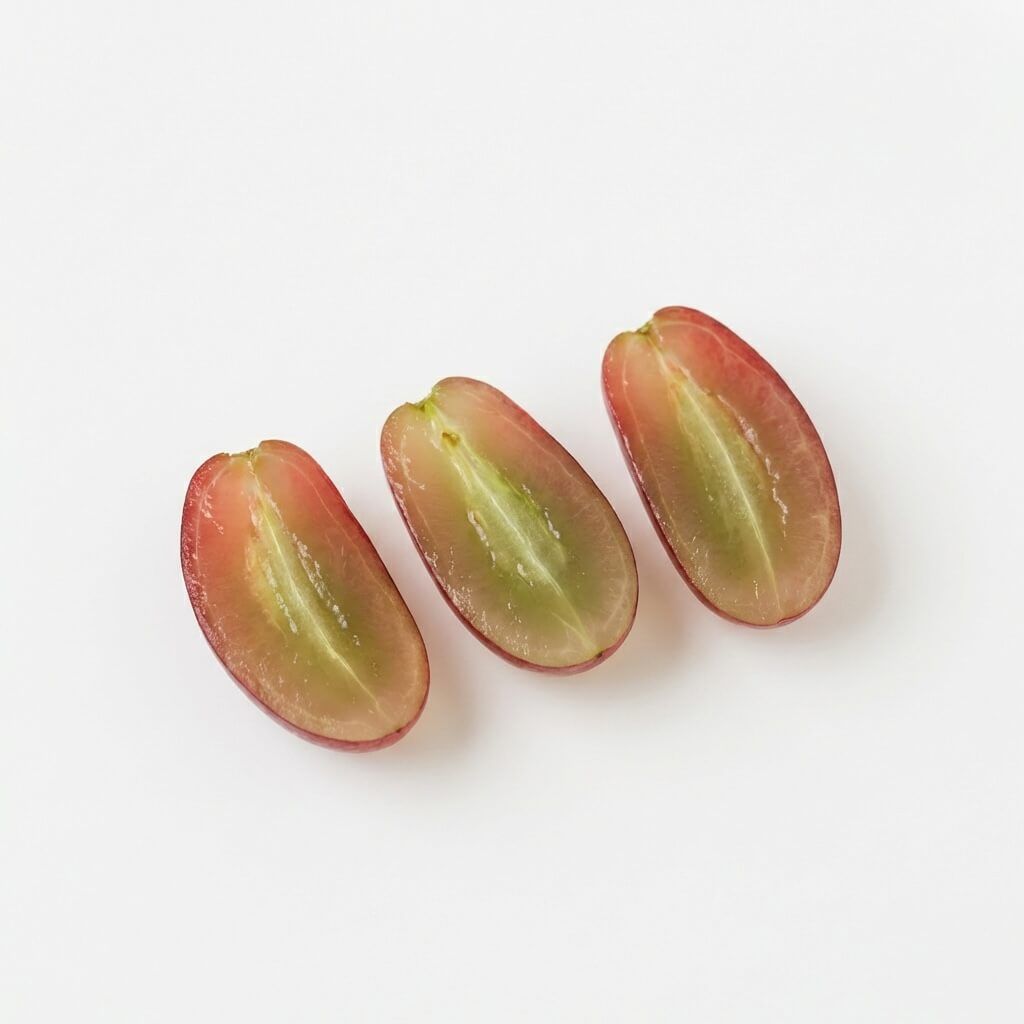
Nutritional Benefits
Grapes offer hydration, vitamins, and antioxidants but are a TOP choking hazard. ALWAYS cut lengthwise into quarters for babies under 4. Never serve whole or halved.
Key Nutrients
Vitamin C
Supports immune health and iron absorption.
Vitamin K
Aids blood clotting and bone strength.
Antioxidants
Protect against cell damage and promote brain health.
Fiber
Encourages digestion and bowel regularity.
Potassium
Maintains heart and muscle health.
Allergen & Choking Information
Not a Common Allergen
Grapes are NOT allergens but ARE a TOP choking hazard. CRITICAL: Always cut lengthwise into quarters, never whole/halved. Remove all seeds. Supervise closely during eating.
Frequently Asked Questions
When can babies eat Grapes?
Around 9 months (cut lengthwise into quarters)
How do I prepare Grapes puree for my baby?
Cook seedless grapes until very soft and skins slip off easily. Remove all skins and seeds, then puree until completely smooth. Mix with applesauce or yogurt for added sweetness and creaminess.
What are the nutritional benefits of Grapes?
Grapes offer hydration, vitamins, and antioxidants but are a TOP choking hazard. ALWAYS cut lengthwise into quarters for babies under 4. Never serve whole or halved.
Sources & Related Resources
Get Personalized Guidance for Every Feeding Stage
Download the Grubsy app to track meals, get tailored recommendations, and explore foods like Grape plus hundreds more, all in one place.
Disclaimer: This information is for educational purposes only and does not replace professional medical advice.