Garlic for Babies
Baby Food Guide from 6 Months
Puree
6+
Months
BLW
6+
Months
Choking Hazard
Low
Allergen
No
Key Nutrients
Allicin • Manganese • Vitamin B6
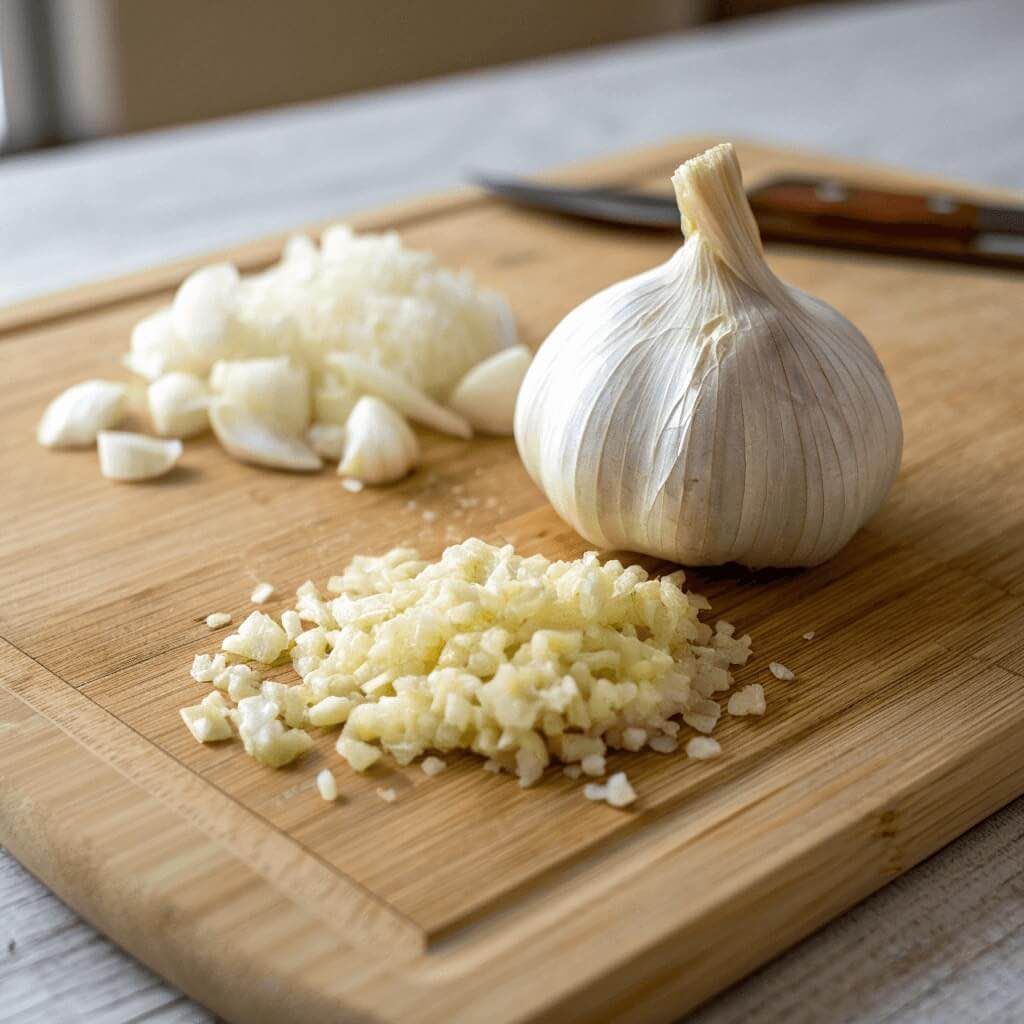
Can Babies Eat Garlic?
Garlic is more of a flavor teacher than a nutritional powerhouse for babies. It does bring allicin, a compound with natural antibacterial properties, along with manganese and vitamin B6, but its bigger job is teaching babies to enjoy savory, complex flavors instead of only sweet ones from the very start of solids.
Raw garlic is sharp and pungent, but cooking transforms it completely. Roasted until soft, it turns sweet and almost buttery, which is why cooked garlic, not the raw clove, is how babies should meet it first. Stirred into soups, purees, or lentil dishes, it adds real depth without taking over the plate, and it pairs with almost anything: vegetables, beans, grains, and meat alike.
Garlic isn't considered a common allergen. Some parents worry it will cause gas or reflux, but most babies handle small amounts of cooked garlic just fine, and fresh cloves are easier to dose accurately than garlic powder.
Garlic Baby Food: How to Prepare It
Puree from 6+ Months
Roast or steam 1-2 garlic cloves until very soft and sweet. Mash or blend tiny amounts into vegetable or meat purees for subtle flavor enhancement. Start with very small quantities.
BLW from 6+ Months
Add small amounts of thoroughly cooked, minced garlic to purees, soups, or lentil dishes for gentle seasoning and flavor development. The cooked garlic should be very soft and mild.
BLW from 9+ Months
Include finely minced or grated cooked garlic in sauces, pasta dishes, and soft foods for flavor complexity. Always avoid large chunks that could cause choking or strong flavor bursts.
BLW from 12+ Months
Use cooked garlic regularly in family meals like soups, stews, and sauces for continued flavor exposure and variety. Never serve raw garlic to babies or toddlers—too strong and potentially irritating.
Nutritional Benefits
Garlic provides allicin and beneficial compounds supporting immune health while adding complex savory flavors that expand baby's palate. Use small amounts of cooked garlic initially.
Key Nutrients
Allicin
A natural compound with antibacterial and antiviral properties.
Manganese
Supports metabolism and bone development.
Vitamin B6
Helps brain development and energy production.
Vitamin C
Supports immunity and tissue repair.
Fiber
Aids digestion and supports gut health.
Allergen & Choking Information
Not a Common Allergen
Garlic is not an allergen, but strong flavor may cause mild digestive upset if used excessively. Start with very small cooked amounts. Always cook thoroughly before adding to baby food.
Frequently Asked Questions
When can babies eat Garlic?
Around 6 months (as cooked and pureed or blended into dishes)
How do I prepare Garlic puree for my baby?
Roast or steam 1-2 garlic cloves until very soft and sweet. Mash or blend tiny amounts into vegetable or meat purees for subtle flavor enhancement. Start with very small quantities.
What are the nutritional benefits of Garlic?
Garlic provides allicin and beneficial compounds supporting immune health while adding complex savory flavors that expand baby's palate. Use small amounts of cooked garlic initially.
Sources & Related Resources
Get Personalized Guidance for Every Feeding Stage
Download the Grubsy app to track meals, get tailored recommendations, and explore foods like Garlic plus hundreds more, all in one place.
Disclaimer: This information is for educational purposes only and does not replace professional medical advice.