Fish for Babies
Baby Food Guide from 6 Months
Puree
6+
Months
BLW
6+
Months
Choking Hazard
Low
Allergen
Yes
Key Nutrients
Omega-3 Fatty Acids (DHA, EPA) • Protein • Vitamin D
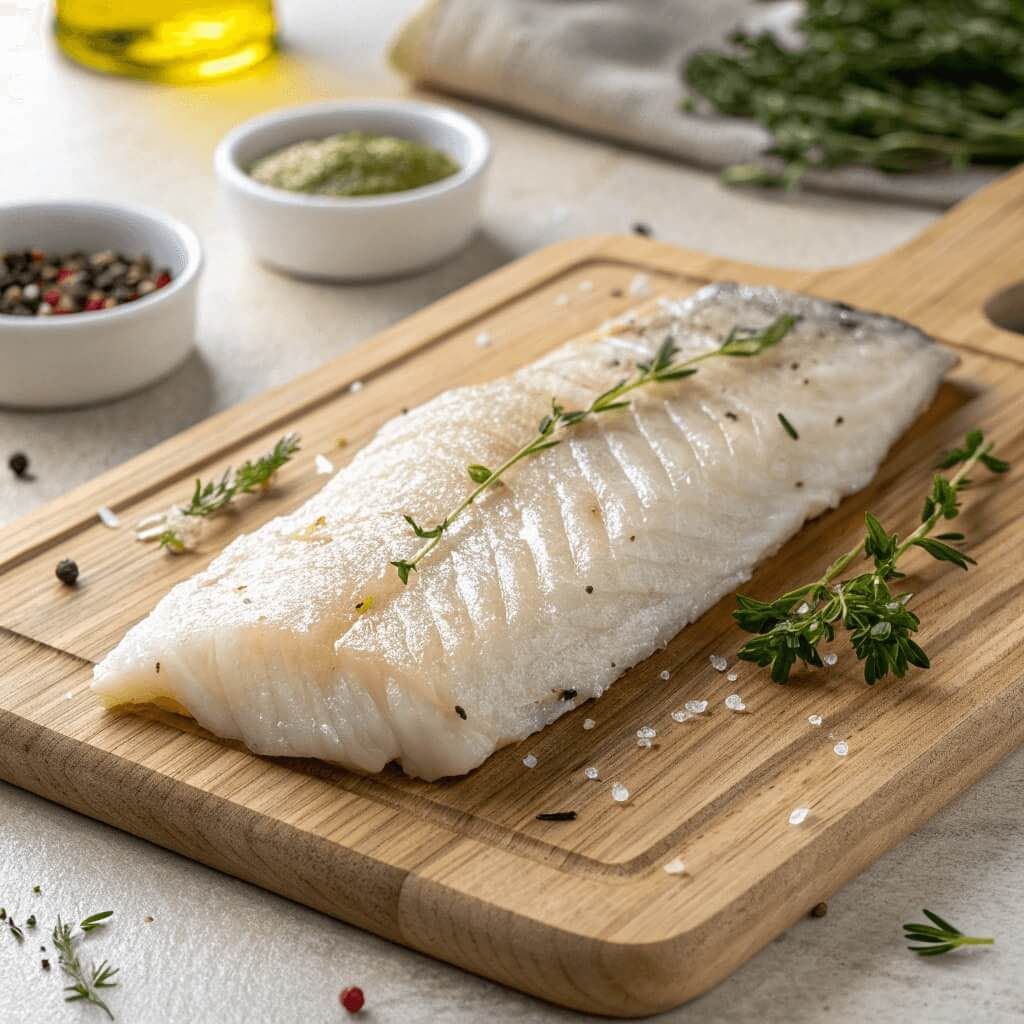
Can Babies Eat Fish?
Fish is one of the richest natural sources of DHA and EPA, the omega-3 fats most linked to a baby's brain and eye development. It also delivers complete protein, vitamin D, and iodine, nutrients that matter a lot during the fastest stretch of growth in your baby's life. Because the body can't make omega-3s on its own, fish is genuinely one of the more useful foods to offer early, not just a nice-to-have.
Cooked fish turns soft and flaky, so it falls apart easily under a fork, which makes it one of the gentler first meats to offer, whether pureed smooth or served in flaked pieces. Milder white fish like cod works well for a first taste, while oily fish like salmon or sardines carry the most omega-3.
Fish is one of the recognized food allergens, so it's usually introduced in small amounts while watching for a reaction, the same as with other first allergens.
Fish Baby Food: How to Prepare It
Puree from 6+ Months
Cook fish thoroughly, remove all bones and skin, then flake and puree with cooking liquid or breast milk until smooth. Can mix with pureed vegetables.
BLW from 6+ Months
Long strips of well-cooked fish with bones and skin removed, or flaked into soft foods. Fish cakes are allowed too.
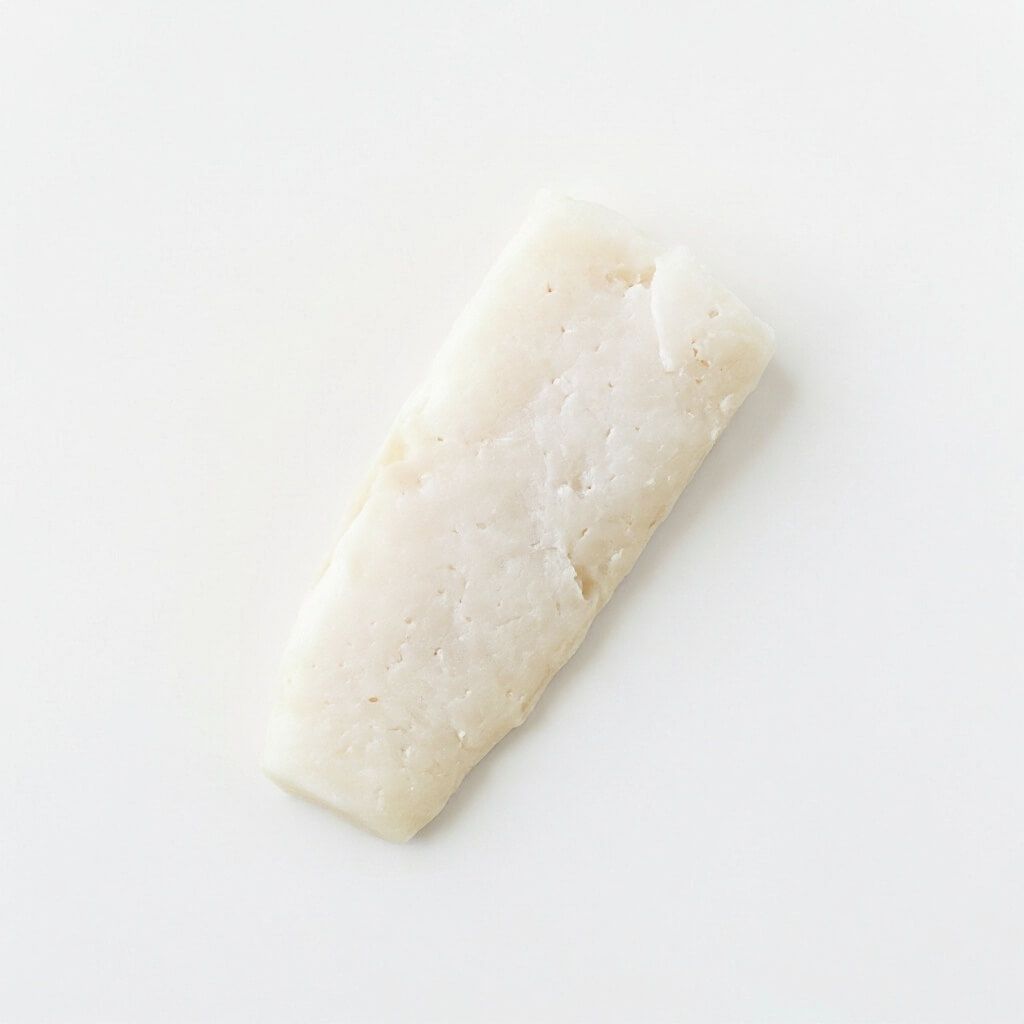
BLW from 9+ Months
Small flaked bite-sized pieces of well-cooked, soft fish are perfect for developing pincer grasp.
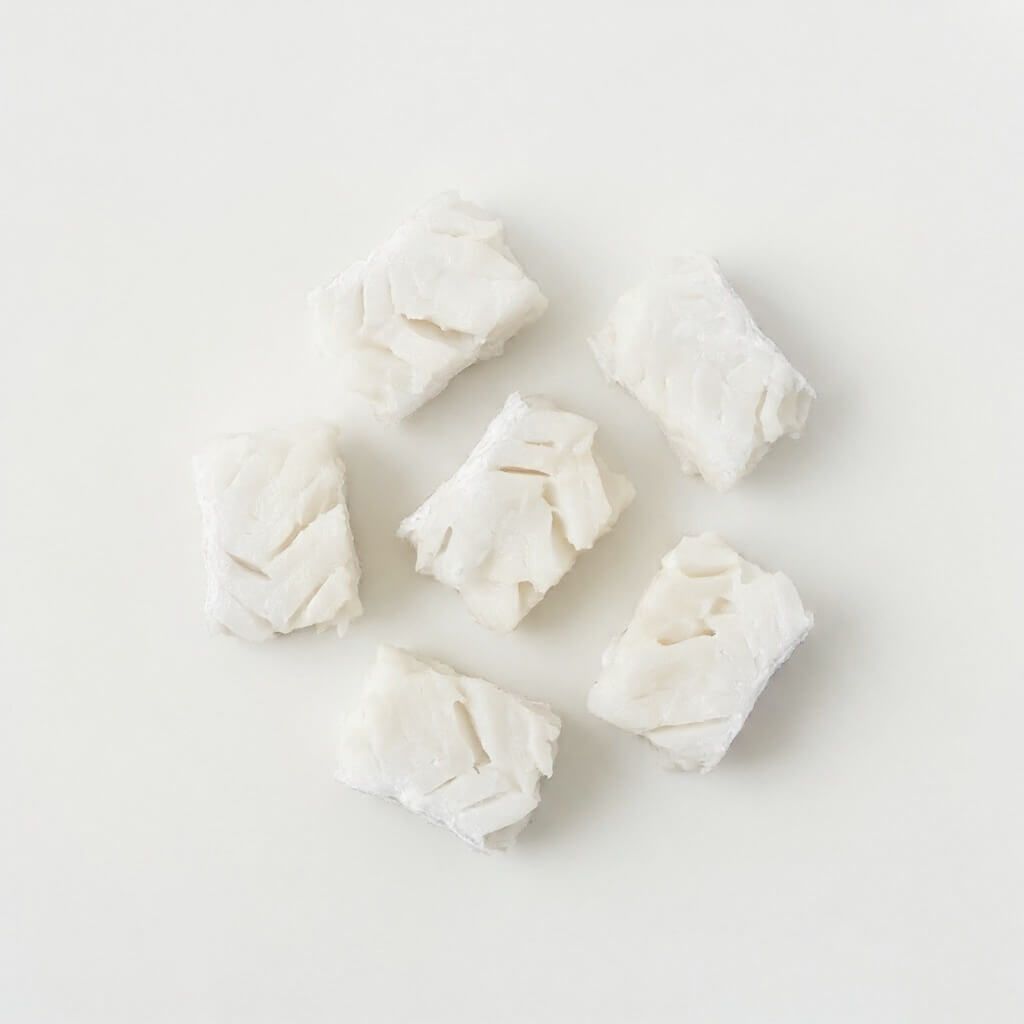
BLW from 12+ Months
Various fish preparations like strips, pieces, cakes, or flakes. Good for utensil practice.
Nutritional Benefits
Fish provides essential omega-3 fatty acids (DHA and EPA) and complete protein crucial for brain development, vision, and overall health. Choose low-mercury varieties for safety.
Key Nutrients
Omega-3 Fatty Acids (DHA, EPA)
Support cognitive and visual development.
Protein
Aids growth and muscle strength.
Vitamin D
Promotes bone and immune health.
Vitamin B12
Supports nerve and blood cell formation.
Iodine
Essential for thyroid and brain function.
Allergen & Choking Information
Common Allergen
Fish is a known allergen. Introduce small portions, monitoring for reactions. Always cook thoroughly, remove all bones meticulously, and choose low-mercury varieties. Avoid smoked or raw fish.
Frequently Asked Questions
When can babies eat Fish?
Around 6 months (fully cooked and boneless)
How do I prepare Fish puree for my baby?
Cook fish thoroughly, remove all bones and skin, then flake and puree with cooking liquid or breast milk until smooth. Can mix with pureed vegetables.
What are the nutritional benefits of Fish?
Fish provides essential omega-3 fatty acids (DHA and EPA) and complete protein crucial for brain development, vision, and overall health. Choose low-mercury varieties for safety.
Sources & Related Resources
Get Personalized Guidance for Every Feeding Stage
Download the Grubsy app to track meals, get tailored recommendations, and explore foods like Fish plus hundreds more, all in one place.
Disclaimer: This information is for educational purposes only and does not replace professional medical advice.