Fig for Babies
Baby Food Guide from 6 Months
Puree
6+
Months
BLW
6+
Months
Choking Hazard
Low (only if fully ripe and soft)
Allergen
No
Key Nutrients
Fiber • Calcium • Potassium
Can Babies Eat Fig?
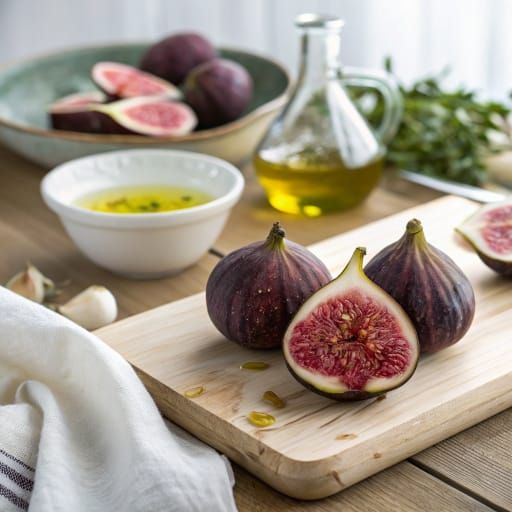
Fresh figs are soft, jammy, and naturally sweet once fully ripe, with tiny edible seeds scattered through the flesh. They stand out among fruits for fiber, genuinely helpful for a baby prone to constipation, and calcium, an unusual find in a fruit, alongside potassium and antioxidants. Most babies like the flavor immediately, no disguising required.
Figs aren't a common allergen, so ripeness is really the whole safety story. An underripe fig is firm and hard to mash or bite through, so any fig offered to a baby needs to yield easily to gentle pressure between your fingers before it goes anywhere near a plate. The tiny seeds aren't a meaningful choking risk on their own, but a fig that's still firm is.
Fresh figs have a short season, typically late summer into early fall, so it's worth buying only what will be eaten within a day or two. Dried figs are a different, much stickier food, better saved for a toddler with more developed chewing skills.
Fig Baby Food: How to Prepare It
Puree from 6+ Months
Mash a very ripe, stemmed fig with a fork until spoonable, then stir it into yogurt, oatmeal, or another soft food. Very ripe figs need no cooking at all.
BLW from 6+ Months
Remove the stem and cut a very ripe fig in half lengthwise. The fruit should be soft enough to squash easily between your thumb and finger; if it resists, mash it into a soft food instead.
BLW from 9+ Months
Cut ripe, soft figs lengthwise into quarters for easier pincer-grasp pickup, while still offering halves so your baby can practice taking bites from a larger piece.
BLW from 12+ Months
Continue offering halves or quarters as finger food. Once your toddler has confident chewing skills, usually by around 18 months, show them how to twist off the woody stem of a whole small fig and take small bites.
Nutritional Benefits
Fresh figs combine fiber and a rare fruit source of calcium with natural sweetness babies typically enjoy right away. They're a genuinely useful fruit for supporting digestion alongside typical fruit staples like banana and pear.
Key Nutrients
Fiber
Supports digestion and helps relieve constipation.
Calcium
Contributes to healthy bone development, unusual for a fruit.
Potassium
Supports healthy muscle and heart function.
Antioxidants
Help protect developing cells.
Natural Sugars
Provide quick, easily digestible energy.
Allergen & Choking Information
Not a Common Allergen
Figs are not a common allergen. The only real risk is an underripe fig, which is firm and harder to mash or bite through, so always choose fruit that is fully ripe and yields easily to gentle pressure.
Frequently Asked Questions
When can babies eat Figs?
Around 6 months (mashed, only if fully ripe and soft)
How do I prepare Figs puree for my baby?
Mash a very ripe, stemmed fig with a fork until spoonable, then stir it into yogurt, oatmeal, or another soft food. Very ripe figs need no cooking at all.
What are the nutritional benefits of Figs?
Fresh figs combine fiber and a rare fruit source of calcium with natural sweetness babies typically enjoy right away. They're a genuinely useful fruit for supporting digestion alongside typical fruit staples like banana and pear.
Sources & Related Resources
Get Personalized Guidance for Every Feeding Stage
Download the Grubsy app to track meals, get tailored recommendations, and explore foods like Fig plus hundreds more, all in one place.
Disclaimer: This information is for educational purposes only and does not replace professional medical advice.