Eggplant for Babies
Baby Food Guide from 6 Months
Puree
6+
Months
BLW
6+
Months
Choking Hazard
Low
Allergen
No
Key Nutrients
Fiber • Antioxidants • Potassium
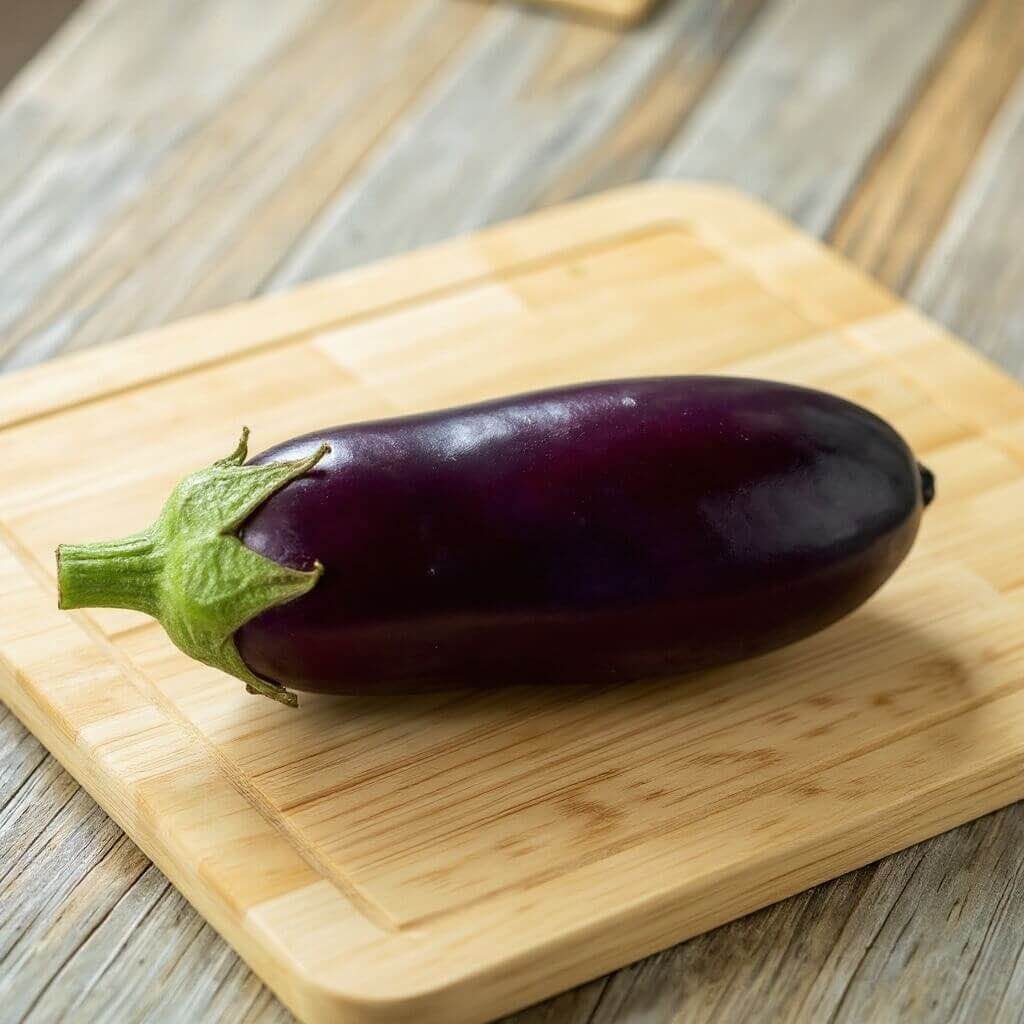
Can Babies Eat Eggplant?
Eggplant turns mild and creamy once it's properly cooked, giving babies fiber, potassium, and B vitamins along with nasunin, an antioxidant found in the purple skin that isn't as common in other first vegetables. On its own the flavor is subtle, almost neutral, which is exactly what makes it useful. It also brings a genuinely different texture to the table, softer and more velvety than most vegetables babies meet this early.
That spongy texture soaks up whatever it's cooked with, so eggplant is a good way to introduce herbs and spices without overwhelming a baby who's still getting used to new tastes. Smaller, firmer eggplants tend to be sweeter and less bitter than large ones, worth keeping in mind when picking one out. Roasting or steaming works better than frying, since eggplant's spongy flesh soaks up oil quickly if you're not careful.
Eggplant isn't a common allergen. The main rule is to cook it thoroughly since raw eggplant is bitter and hard to digest, and to peel it for younger babies until they're comfortable handling the skin's tougher texture.
Eggplant Baby Food: How to Prepare It
Puree from 6+ Months
Steam or roast until very soft, remove skin, puree smooth. Mix with other vegetables for flavor.
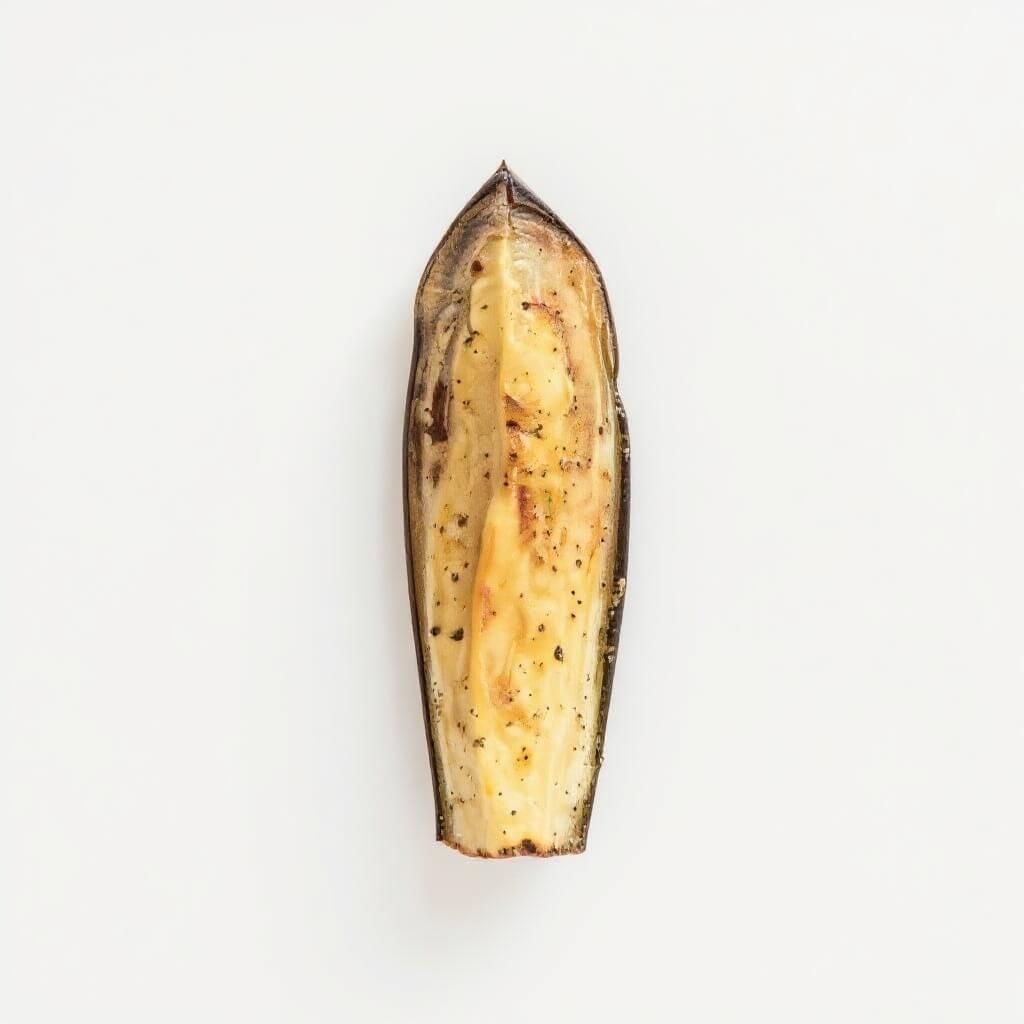
BLW from 6+ Months
Thick finger-sized strips of very soft roasted eggplant (skin removed).
BLW from 9+ Months
Bite-sized pieces of soft cooked eggplant.
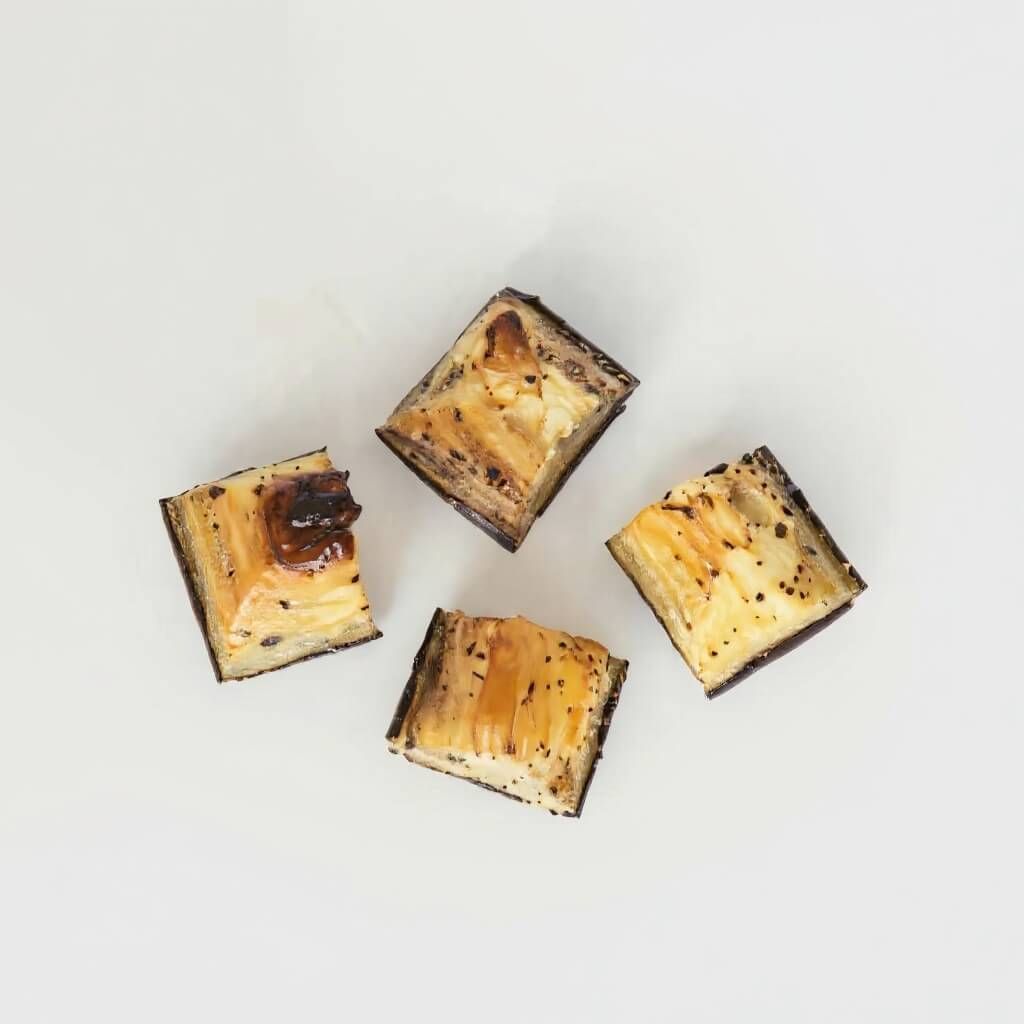
BLW from 12+ Months
Bite-sized pieces. Can include skin if well-cooked. Serve with utensils.
Nutritional Benefits
Eggplant provides fiber, powerful antioxidants, and a creamy texture that helps babies explore new vegetables while supporting digestive and cellular health.
Key Nutrients
Fiber
Supports healthy digestion and regular bowel movements.
Antioxidants
Nasunin and other compounds protect cells from damage.
Potassium
Supports heart health and muscle function.
B Vitamins
Support energy metabolism and brain development.
Vitamin K
Essential for blood clotting and bone health.
Allergen & Choking Information
Not a Common Allergen
Eggplant is not a common allergen. Always cook until very soft. Remove skin for younger babies. Ensure pieces are appropriate size for baby's age.
Frequently Asked Questions
When can babies eat Eggplant?
Around 6 months (when cooked very soft)
How do I prepare Eggplant puree for my baby?
Steam or roast until very soft, remove skin, puree smooth. Mix with other vegetables for flavor.
What are the nutritional benefits of Eggplant?
Eggplant provides fiber, powerful antioxidants, and a creamy texture that helps babies explore new vegetables while supporting digestive and cellular health.
Sources & Related Resources
Get Personalized Guidance for Every Feeding Stage
Download the Grubsy app to track meals, get tailored recommendations, and explore foods like Eggplant plus hundreds more, all in one place.
Disclaimer: This information is for educational purposes only and does not replace professional medical advice.