Cucumber for Babies
Baby Food Guide from 6 Months
Puree
6+
Months
BLW
6+
Months
Choking Hazard
Moderate
Allergen
No
Key Nutrients
Vitamin K • Vitamin C • Potassium
Can Babies Eat Cucumber?
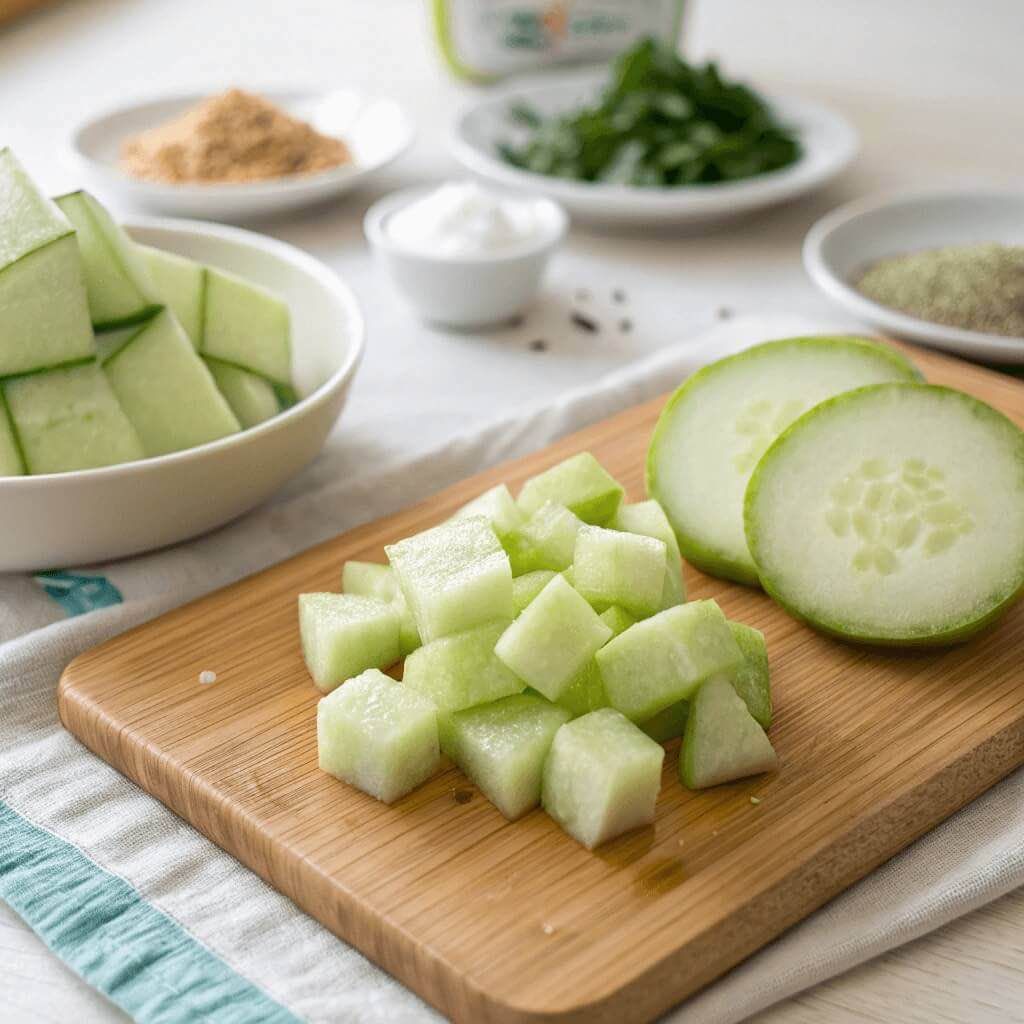
Cucumber is a crisp, hydrating vegetable that's roughly 95 percent water, along with a bit of vitamin K, vitamin C, potassium, and fiber. Its mild, slightly sweet taste rarely bothers even sensitive palates, which makes it an easy food to introduce early. On a hot day or after a long nap, it's a genuinely refreshing bite, more thirst-quenching than most first foods.
Chilled cucumber spears are a favorite trick for teething babies, cool and firm enough to gnaw on safely, and the shape makes cucumber a natural first food for baby-led weaning. English or Persian cucumbers are worth choosing over standard ones since their thinner skin and fewer seeds make preparation simpler. Look for cucumbers that are firm all over with no soft spots, and reach for organic where you can, since regular cucumbers often carry pesticide residue on the skin.
Cucumber isn't allergenic, but firm chunks and slippery seeds are a choking risk, so peeling, deseeding, and cutting it into long spears or thin slices rather than rounds matters more than any allergy concern here.
Cucumber Baby Food: How to Prepare It
Puree from 6+ Months
Peel and remove seeds from cucumber, then puree until smooth. Can mix with other vegetables or serve as a cold soup base.
BLW from 6+ Months
Large cucumber half cut lengthwise with skin on. Can also serve grated in yogurt or long rectangles.
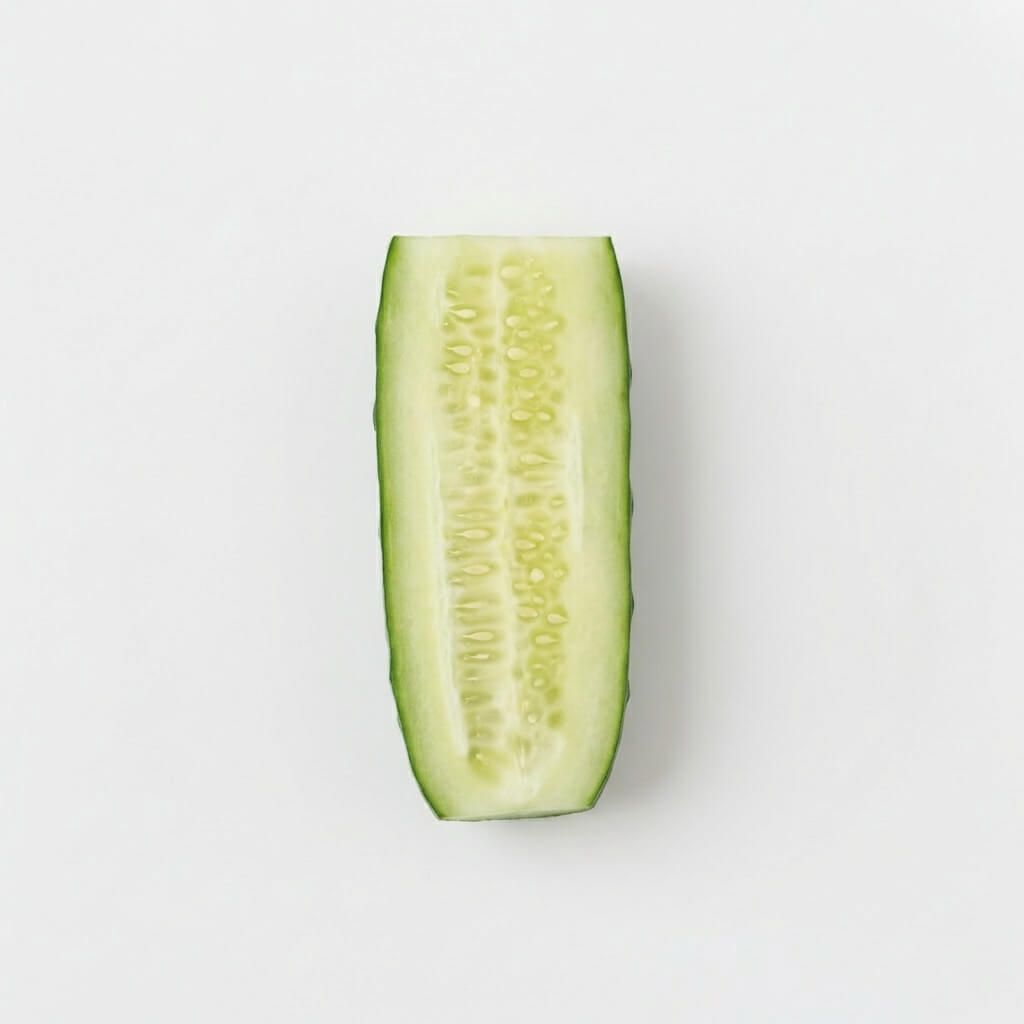
BLW from 9+ Months
Thin half-moon slices or small flat pieces from halved half-moons. Can remove skin to increase consumption.
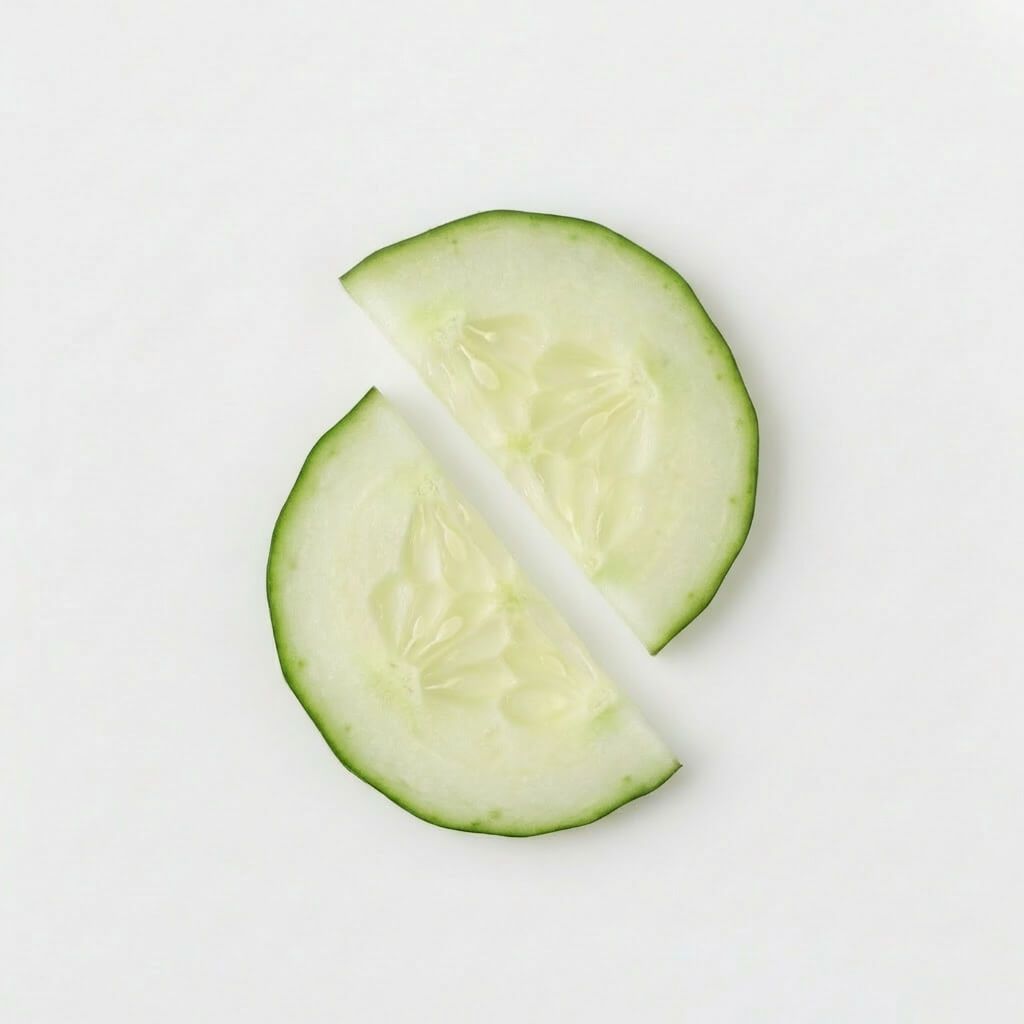
BLW from 12+ Months
Thin rounds, half-moons, rectangular slices with or without skin. Avoid bite-sized chunks.
Nutritional Benefits
Cucumbers keep baby hydrated with 95% water content while building chewing confidence. Cool, firm texture soothes teething gums and safely introduces raw textures.
Key Nutrients
Vitamin K
Supports bone strength and blood clotting.
Vitamin C
Enhances immunity and collagen production.
Potassium
Supports heart and muscle health.
Water
Provides natural hydration.
Fiber
Promotes healthy digestion.
Allergen & Choking Information
Not a Common Allergen
Cucumbers are not allergenic, but hard chunks pose choking hazards. Always serve peeled, seeded, and cut into long strips or thin slices. Monitor closely while eating.
Frequently Asked Questions
When can babies eat Cucumber?
Around 6 months (peeled and cut appropriately)
How do I prepare Cucumber puree for my baby?
Peel and remove seeds from cucumber, then puree until smooth. Can mix with other vegetables or serve as a cold soup base.
What are the nutritional benefits of Cucumber?
Cucumbers keep baby hydrated with 95% water content while building chewing confidence. Cool, firm texture soothes teething gums and safely introduces raw textures.
Sources & Related Resources
Get Personalized Guidance for Every Feeding Stage
Download the Grubsy app to track meals, get tailored recommendations, and explore foods like Cucumber plus hundreds more, all in one place.
Disclaimer: This information is for educational purposes only and does not replace professional medical advice.