Cranberry for Babies
Baby Food Guide from 6 Months
Puree
6+
Months
BLW
6+
Months
Choking Hazard
High (raw); Low (cooked until burst, chopped, or pureed)
Allergen
No
Key Nutrients
Vitamin C • Antioxidants • Fiber
Can Babies Eat Cranberry?
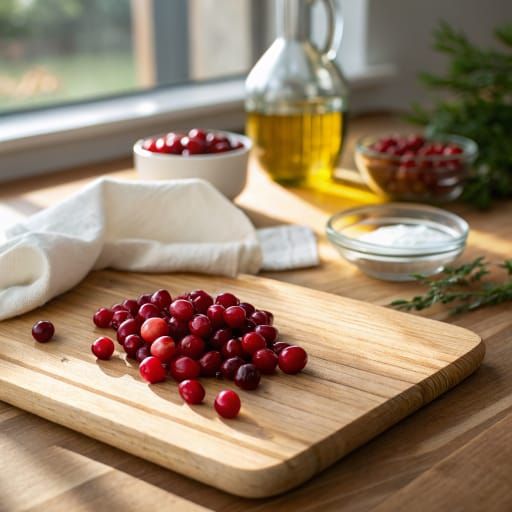
Cranberries are small, tart, ruby berries, more familiar as a holiday sauce than a fresh fruit, but fresh or frozen ones make a genuinely useful, low-effort addition to a baby's diet. Their standout nutrient is vitamin C, which helps the body absorb iron from other foods eaten at the same meal, worth remembering if you serve them alongside meat, beans, or fortified cereal. They also bring antioxidant plant compounds and fiber that most first fruits don't offer.
Unlike sweeter berries, cranberries are quite sour on their own, so they're almost always cooked until they soften and burst, then mashed into something creamy like yogurt or oatmeal where the tartness balances out nicely. Their firm, round raw shape is a classic choking hazard, similar to grapes, so whole raw cranberries wait until around 24 months.
Dried, sweetened cranberries, sometimes called craisins, are a different food entirely, chewy and sugar-coated, and belong much later than the cooked fresh or frozen version. Fresh or frozen is the better everyday choice for a younger baby.
Cranberry Baby Food: How to Prepare It
Puree from 6+ Months
Simmer fresh or frozen cranberries in a little water until they soften and pop, then blend or finely mash them and stir into a soft, familiar food like warm cereal, ricotta, or yogurt.
BLW from 6+ Months
Simmer fresh or frozen cranberries until they pop, then finely chop or blend and stir into soft foods like oatmeal, ricotta, or yogurt. Whole cooked berries baked into soft muffins or pancakes are fine too.
BLW from 9+ Months
Offer softened, burst cranberries on their own, or flatten cooked (or raw) berries into thin discs so they can't roll to the back of the throat. Keep offering cranberries baked into soft foods as well.
BLW from 12+ Months
Continue serving softened, burst cranberries or thin flattened discs, along with cranberries baked into soft breads or muffins. Save whole raw cranberries until your child chews reliably and doesn't stuff their mouth, generally around 24 months, and always with close supervision.
Nutritional Benefits
Cranberries are a tart, antioxidant-rich fruit that offer vitamin C, fiber, and plant compounds that support immunity and digestion, best served cooked and softened for safety.
Key Nutrients
Vitamin C
Supports immune function and helps the body absorb iron from other foods.
Antioxidants
Plant compounds called proanthocyanidins help protect growing cells.
Fiber
Supports healthy digestion as baby's gut matures.
Manganese
Contributes to bone development and metabolism.
Vitamin E
Protects cells and supports healthy skin.
Allergen & Choking Information
Not a Common Allergen
Cranberries are not a common allergen. The real risk is choking: raw cranberries are small, firm, and round, exactly the shape and texture that can block a young airway, so they should always be cooked until they burst or finely chopped or blended before serving. Whole raw cranberries should wait until a child chews reliably and doesn't stuff their mouth, generally around 24 months.
Frequently Asked Questions
When can babies eat Cranberries?
Around 6 months (cooked until soft and bursting, then chopped or pureed)
How do I prepare Cranberries puree for my baby?
Simmer fresh or frozen cranberries in a little water until they soften and pop, then blend or finely mash them and stir into a soft, familiar food like warm cereal, ricotta, or yogurt.
What are the nutritional benefits of Cranberries?
Cranberries are a tart, antioxidant-rich fruit that offer vitamin C, fiber, and plant compounds that support immunity and digestion, best served cooked and softened for safety.
Sources & Related Resources
Get Personalized Guidance for Every Feeding Stage
Download the Grubsy app to track meals, get tailored recommendations, and explore foods like Cranberry plus hundreds more, all in one place.
Disclaimer: This information is for educational purposes only and does not replace professional medical advice.