Crab for Babies
Baby Food Guide from 6 Months
Puree
6+
Months
BLW
6+
Months
Choking Hazard
Low
Allergen
Yes
Key Nutrients
Protein • Zinc • Omega-3 Fatty Acids
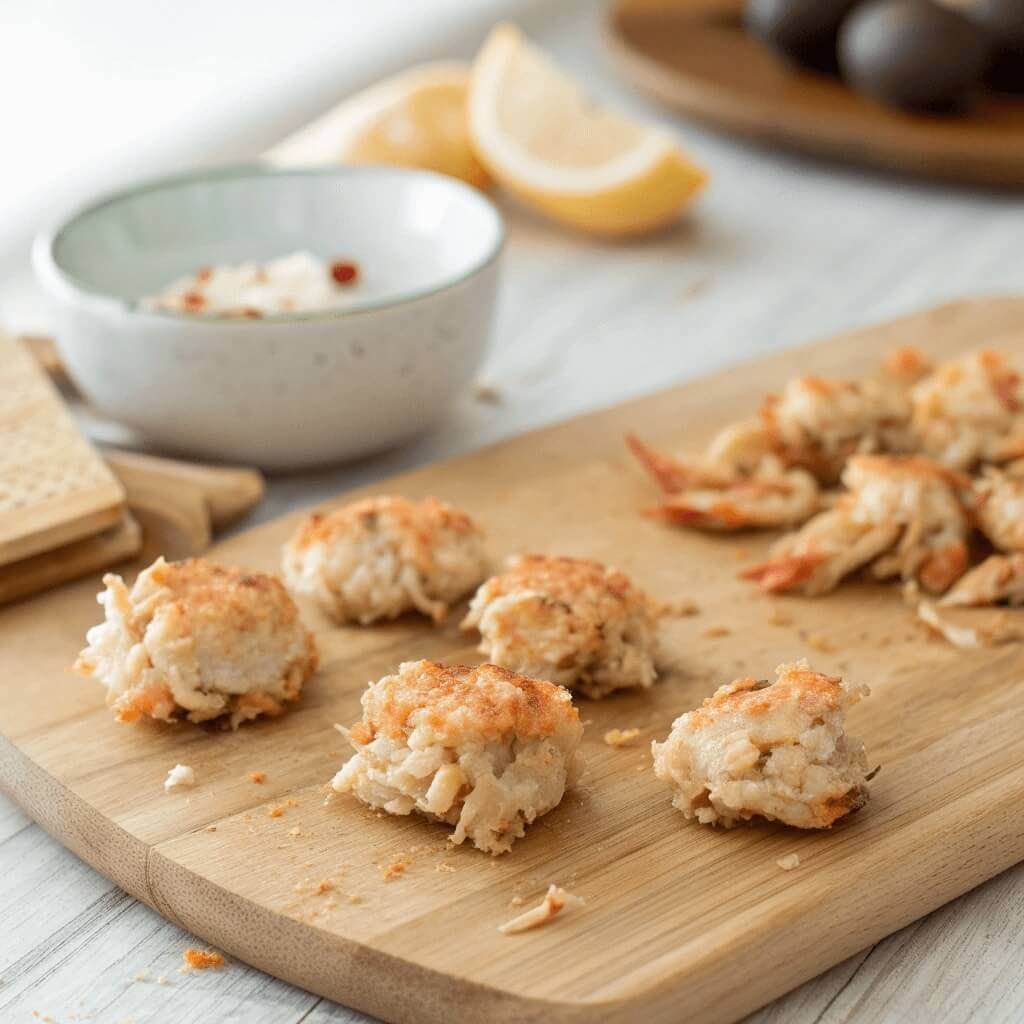
Can Babies Eat Crab?
Crab is a lean, sweet-tasting shellfish that packs in protein, omega-3 fats, zinc, and selenium with very little fat attached. Its flavor is naturally mild, milder than many parents expect, which usually makes it an easy food for babies to accept once they're ready for it around six months. The texture cooks up soft and a little flaky, closer to fish than you'd guess from the shell.
Many families choose to wait until other common allergens like fish and eggs are already tolerated before trying crab. Fresh, frozen, or pasteurized crab all work fine for babies, as long as it's cooked thoroughly before serving. Real crab meat is worth seeking out over imitation crab (surimi), which is often padded with sodium, additives, and sometimes hidden allergens that don't belong in an early diet.
Shellfish allergies are common and can be more serious than other food allergies, so first tastes should be small and closely watched. The other essential step is making sure every trace of shell is removed, since fragments pose a real choking and injury risk.
Crab Baby Food: How to Prepare It
Puree from 6+ Months
Cook crab thoroughly until opaque and tender. Meticulously remove all shell pieces, checking carefully. Blend with a little water, breast milk, or mashed vegetable until smooth and moist. Serve warm for first introduction.
BLW from 6+ Months
Mix finely chopped or shredded, fully cooked crab meat into mashed vegetables like sweet potato, porridge, or thick yogurt for extra flavor and protein. Ensure all shell fragments are removed before serving.
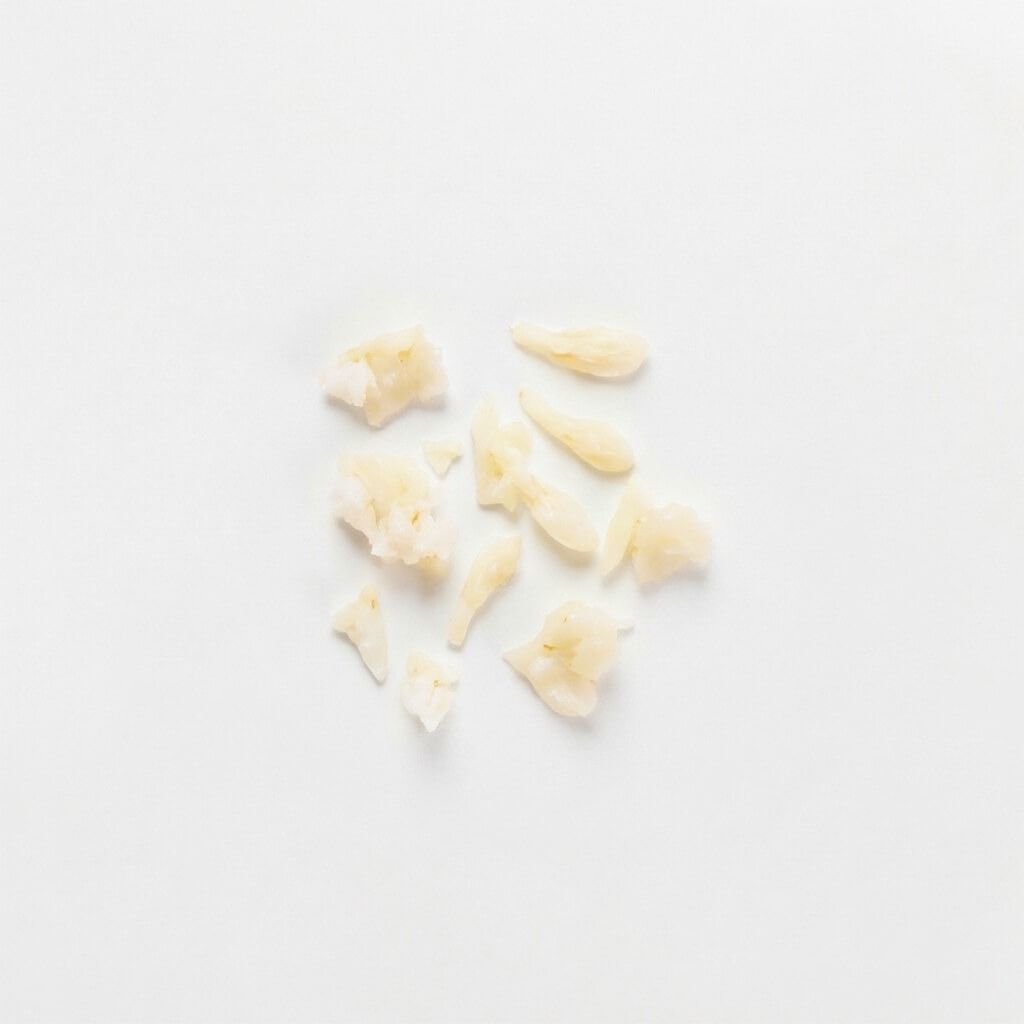
BLW from 9+ Months
Offer soft, tender shreds or small flakes of thoroughly cooked crab as finger food for pincer grasp practice. Triple-check for shell fragments. The sweet flavor is usually well-accepted at this stage.
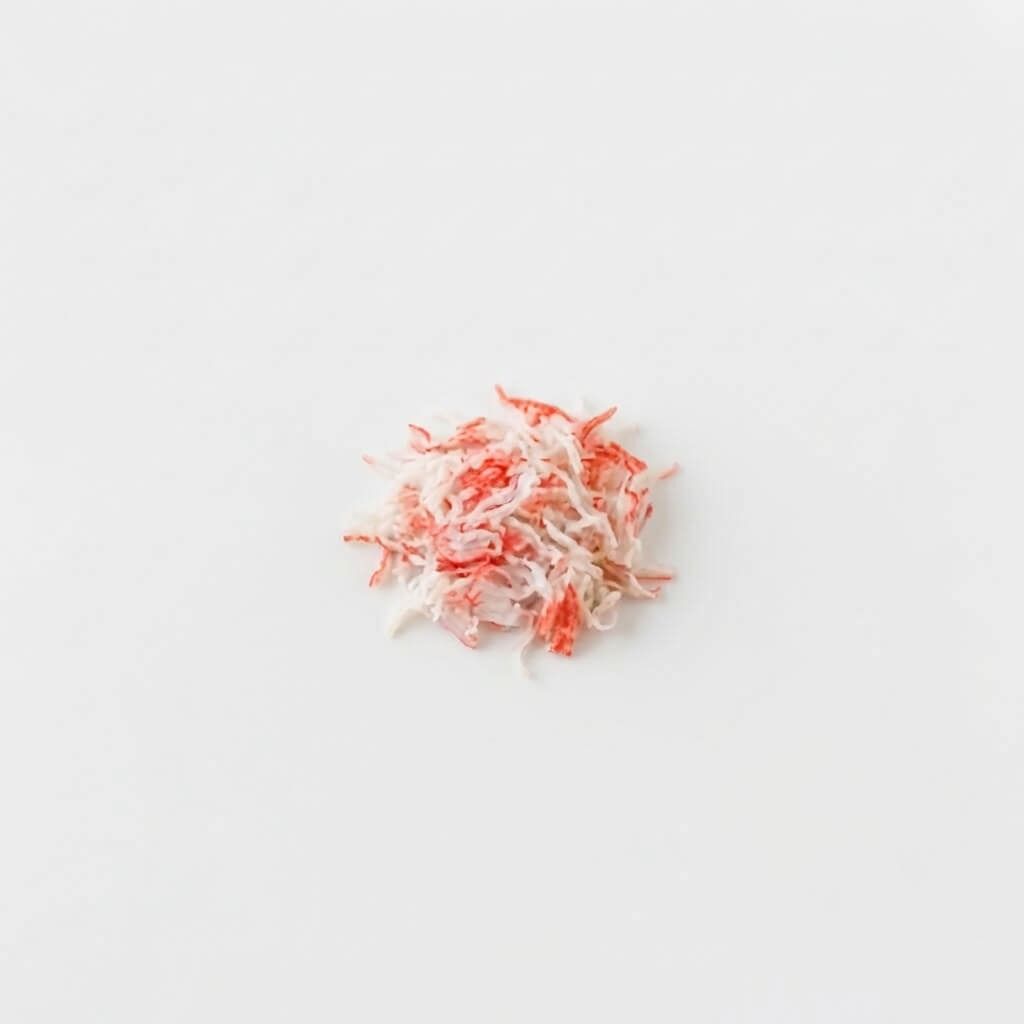
BLW from 12+ Months
Serve tender crab meat mixed into rice bowls, pasta dishes, or formed into soft crab cakes. Encourage self-feeding with utensils for independence. Continue monitoring for any delayed allergic reactions.
Nutritional Benefits
Crab is a lean, nutrient-dense source of high-quality protein, omega-3s, and essential minerals that contribute to your baby's cognitive development, immune health, and physical growth.
Key Nutrients
Protein
Supports muscle and tissue growth.
Zinc
Boosts immunity and aids wound healing.
Omega-3 Fatty Acids
Support brain and eye development.
Selenium
Acts as an antioxidant to protect cells.
Vitamin B12
Supports nerve and brain function.
Allergen & Choking Information
Common Allergen
Shellfish, including crab, are common allergens. Introduce small amounts carefully after other allergens are tolerated. Ensure crab is thoroughly cooked and completely free of shell fragments. Avoid imitation crab meat.
Frequently Asked Questions
When can babies eat Crab?
Around 6 months (fully cooked and finely chopped)
How do I prepare Crab puree for my baby?
Cook crab thoroughly until opaque and tender. Meticulously remove all shell pieces, checking carefully. Blend with a little water, breast milk, or mashed vegetable until smooth and moist. Serve warm for first introduction.
What are the nutritional benefits of Crab?
Crab is a lean, nutrient-dense source of high-quality protein, omega-3s, and essential minerals that contribute to your baby's cognitive development, immune health, and physical growth.
Sources & Related Resources
Get Personalized Guidance for Every Feeding Stage
Download the Grubsy app to track meals, get tailored recommendations, and explore foods like Crab plus hundreds more, all in one place.
Disclaimer: This information is for educational purposes only and does not replace professional medical advice.