Cottage Cheese for Babies
Baby Food Guide from 6 Months
Puree
6+
Months
BLW
6+
Months
Choking Hazard
Low (flatten large curds with a fork for younger or more cautious eaters)
Allergen
Yes
Key Nutrients
Protein • Calcium • Probiotics
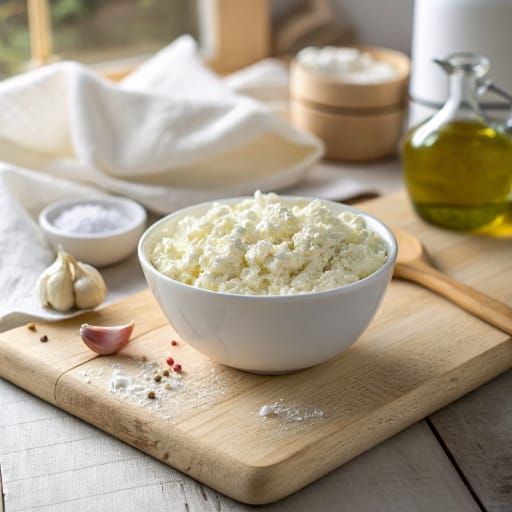
Can Babies Eat Cottage Cheese?
Cottage cheese is soft, mild curds made from cow's milk, with a texture that sits somewhere between yogurt and a very soft cheese. It's unusually protein-dense for a dairy food, and pairs that protein with calcium, phosphorus, and vitamin B12, real nutritional density for a baby growing faster than at almost any later stage of life. Many varieties also carry live active cultures, similar to yogurt.
What makes it especially practical is how well it bridges stages. The same tub works as a smooth, spoonable food for a six-month-old and as a fun, forgiving finger food once self-feeding begins, no separate purchase or prep required. Look for a plain, low-sodium, full-fat variety, since some brands add more salt than expected, and full fat matters for brain development under age two.
Cottage cheese is made from cow's milk, a common allergen, so offer a small first taste and watch for a reaction before it becomes a regular staple. Beyond that, it's one of the easiest proteins to keep in weekly rotation.
Cottage Cheese Baby Food: How to Prepare It
Puree from 6+ Months
Serve pasteurized, low-sodium cottage cheese straight from the tub as a soft, spoonable food, or blend it smooth and stir into vegetable or fruit purees. Flatten larger curds with a fork for a more predictable texture.
BLW from 6+ Months
Offer a small bowl of cottage cheese for hand-scooping, mix it into soft foods, or spread a thin layer on strips of toast. Flatten large curds with a fork if you're concerned, and never pair with honey before 12 months.
BLW from 9+ Months
Continue offering cottage cheese for self-feeding, with curds left a little larger as chewing skills mature. Mix into both savory and slightly sweet combinations, like with mashed fruit, to broaden the flavors baby experiences.
BLW from 12+ Months
Serve on its own or with sweet or savory toppings like soft fruit or mashed avocado. Pre-load a spoon or set one nearby to encourage utensil practice alongside hands-on eating.
Nutritional Benefits
Cottage cheese is a soft, protein-rich dairy food that also delivers calcium, phosphorus, and B12, making it a useful addition to a growing baby's diet from the very first months of solids.
Key Nutrients
Protein
Provides building blocks for muscle and tissue growth.
Calcium
Supports strong, developing bones and teeth.
Probiotics
Live cultures can support a healthy gut and digestion.
Vitamin B12
Supports nervous system development and red blood cell formation.
Phosphorus
Works alongside calcium to build strong bones.
Allergen & Choking Information
Common Allergen
Cottage cheese is made from cow's milk, one of the most common food allergens, so introduce it in a small amount first and watch for signs of a reaction, especially if dairy hasn't been offered before. Some brands are high in sodium, so choose a low-sodium, plain, pasteurized variety and avoid added salt or flavored versions for babies.
Frequently Asked Questions
When can babies eat Cottage Cheese?
Around 6 months (soft curds, served plain or blended into purees)
How do I prepare Cottage Cheese puree for my baby?
Serve pasteurized, low-sodium cottage cheese straight from the tub as a soft, spoonable food, or blend it smooth and stir into vegetable or fruit purees. Flatten larger curds with a fork for a more predictable texture.
What are the nutritional benefits of Cottage Cheese?
Cottage cheese is a soft, protein-rich dairy food that also delivers calcium, phosphorus, and B12, making it a useful addition to a growing baby's diet from the very first months of solids.
Sources & Related Resources
Get Personalized Guidance for Every Feeding Stage
Download the Grubsy app to track meals, get tailored recommendations, and explore foods like Cottage Cheese plus hundreds more, all in one place.
Disclaimer: This information is for educational purposes only and does not replace professional medical advice.