Corn for Babies
Baby Food Guide from 6 Months
Puree
6+
Months
BLW
6+
Months
Choking Hazard
Moderate
Allergen
No
Key Nutrients
Carbohydrates • Fiber • B Vitamins
Can Babies Eat Corn?
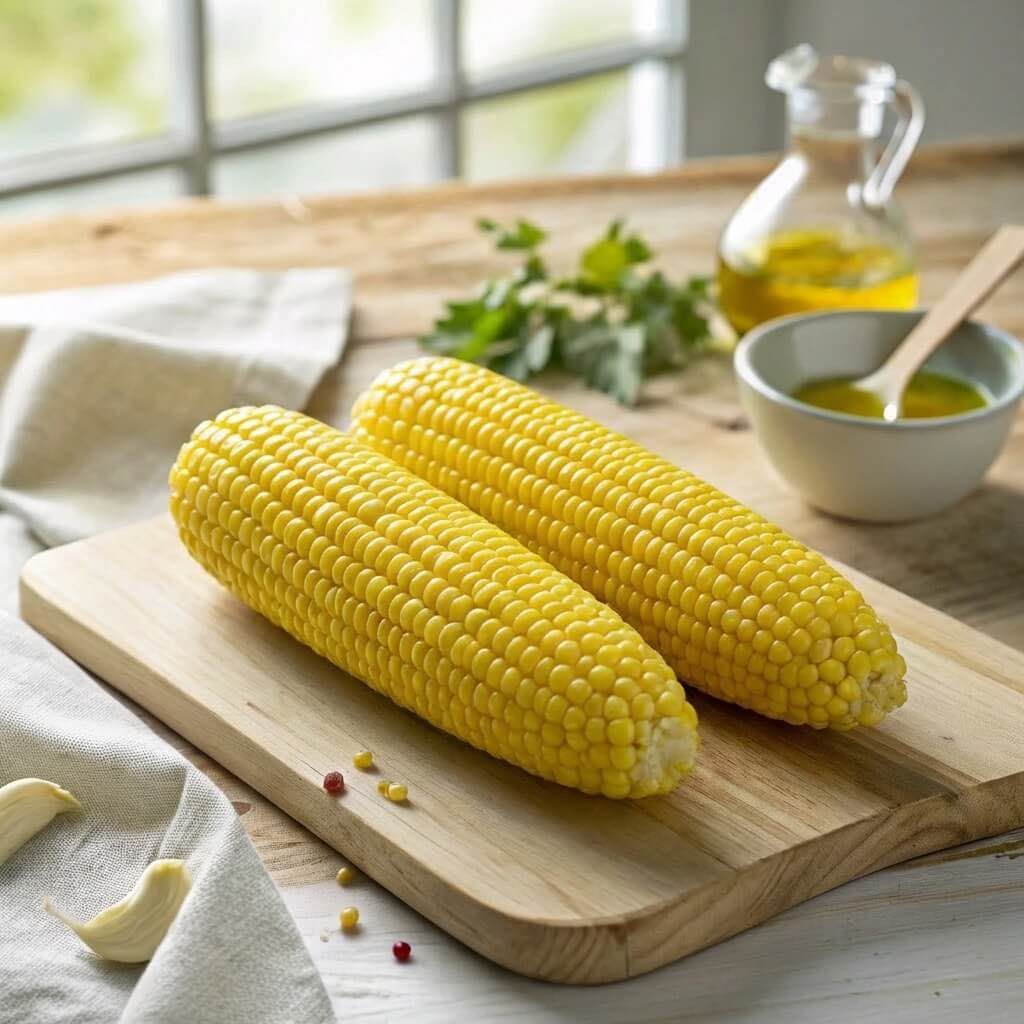
Corn is a naturally sweet vegetable that gives babies energy-rich carbohydrates, fiber, and B vitamins, plus lutein and zeaxanthin, antioxidants that support eye health. Its sweetness makes it an easy sell for babies who are still warming up to vegetables. Fresh corn is best in season, though frozen kernels are a convenient stand-in year-round and keep most of the nutrition intact.
Corn on the cob is the more interesting way to serve it early on: it doubles as a built-in handle for self-feeding, and gnawing on it helps build jaw strength and coordination for eating. It's also just a fun food, bright yellow and easy to grip, which tends to make it popular from the first bite. Loose kernels are a different story: they're firm and round enough to be a choking risk before 12 months, so cob comes first.
Corn isn't a common allergen. One thing that surprises parents is finding whole-looking kernel skins in a diaper afterward. That's just the outer hull passing through undigested, not a sign nutrients were missed.
Corn Baby Food: How to Prepare It
Puree from 6+ Months
Cook kernels until very soft, then puree smooth. Mix with other vegetables for variety.
BLW from 6+ Months
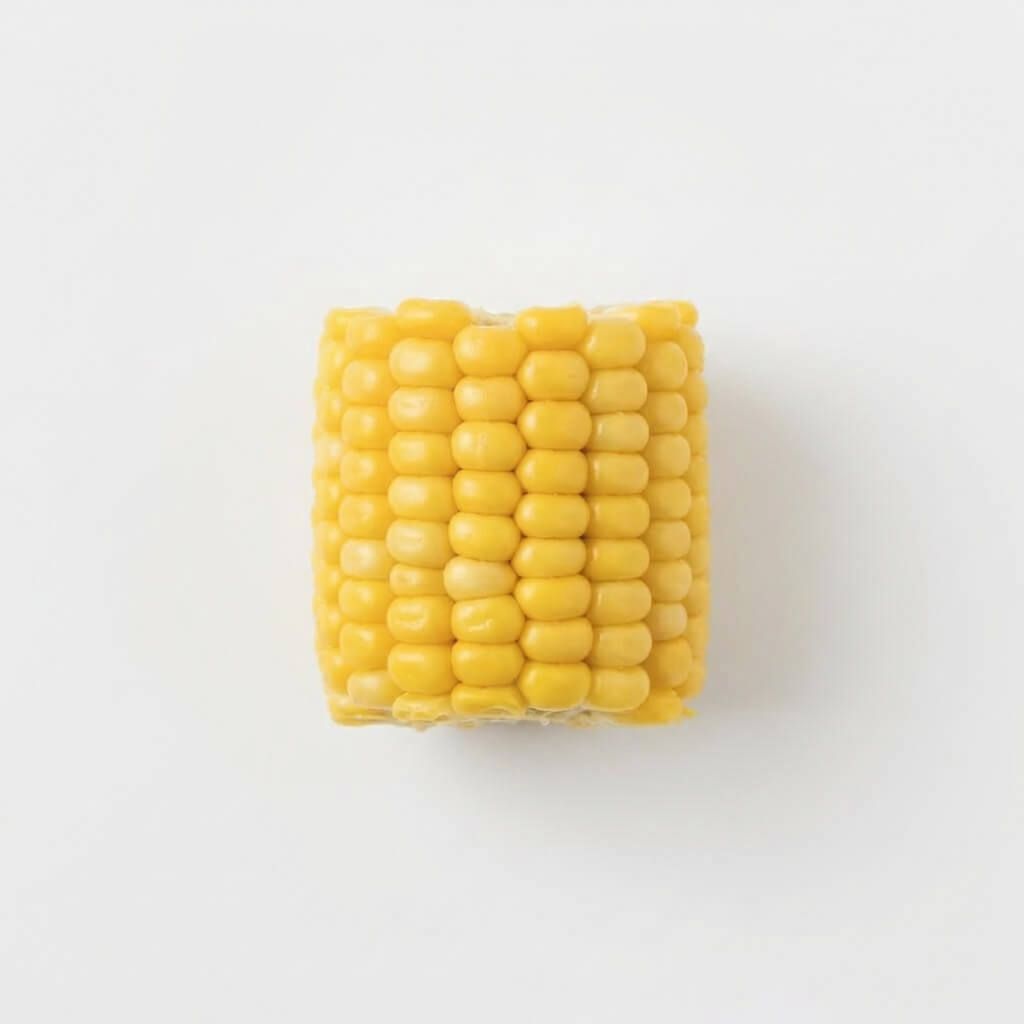
Corn cob cut into short rounds (about 2 inches). Skip loose kernels - choking risk.
BLW from 9+ Months
Continue corn cob rounds. Full-size cob works too.
BLW from 12+ Months
Individual soft kernels okay now - offer a few at a time. Corn cob any size. Halved baby corn works.
Nutritional Benefits
Corn provides sweet taste, energy-supporting carbohydrates, and eye-healthy antioxidants while offering unique self-feeding opportunities for developing motor skills.
Key Nutrients
Carbohydrates
Provides sustained energy for active babies and growing bodies.
Fiber
Supports healthy digestion and regular bowel movements.
B Vitamins
Support energy metabolism and nervous system function.
Lutein
Antioxidant that supports eye health and vision development.
Antioxidants
Protect cells from damage and support overall health.
Allergen & Choking Information
Not a Common Allergen
Corn is not a common allergen. Corn on cob is safer than loose kernels for young babies. Cook kernels until very soft. Loose kernels are choking hazards before 12 months.
Frequently Asked Questions
When can babies eat Corn?
Around 6 months (corn on cob)
How do I prepare Corn puree for my baby?
Cook kernels until very soft, then puree smooth. Mix with other vegetables for variety.
What are the nutritional benefits of Corn?
Corn provides sweet taste, energy-supporting carbohydrates, and eye-healthy antioxidants while offering unique self-feeding opportunities for developing motor skills.
Sources & Related Resources
Get Personalized Guidance for Every Feeding Stage
Download the Grubsy app to track meals, get tailored recommendations, and explore foods like Corn plus hundreds more, all in one place.
Disclaimer: This information is for educational purposes only and does not replace professional medical advice.