Clementine for Babies
Baby Food Guide from 6 Months
Puree
6+
Months
BLW
6+
Months
Choking Hazard
Moderate (seeds and tough membrane are the main risks; always deseed and remove membrane for young babies)
Allergen
No
Key Nutrients
Vitamin C • Fiber • Folate
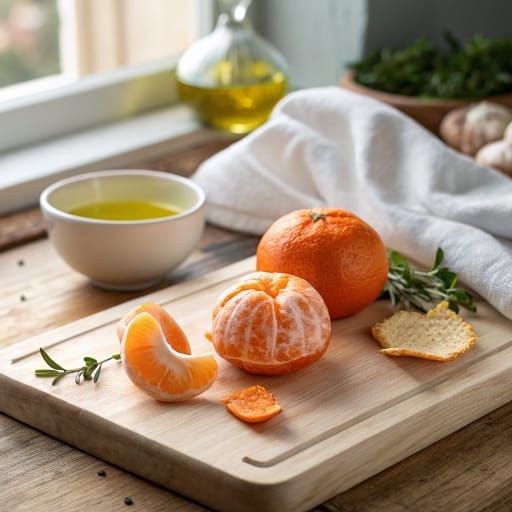
Can Babies Eat Clementine?
Clementines are the easy-peel, nearly seedless member of the citrus family, which makes them one of the more convenient citrus fruits to prepare for a baby. The bright, sweet flavor is usually a hit from the very first taste, especially once a baby has gotten used to milder fruits like banana or pear.
They're a strong source of vitamin C, which helps a baby absorb iron from other foods eaten at the same meal, plus fiber, folate, and antioxidant flavonoids found throughout citrus fruit. Clementines aren't a common allergen, so preparation, not allergy risk, is what matters most here.
The seeds are the obvious thing to remove, but each segment is also wrapped in a thin membrane that's tougher than the flesh inside and easy to overlook. For babies from around 6 months, peel away both the seeds and the membrane, then mash the soft flesh before serving on its own or spooned over yogurt.
Clementine Baby Food: How to Prepare It
Puree from 6+ Months
Peel a ripe clementine, remove every seed, and pull the thin membrane off each segment. Mash the soft flesh with a fork or blend until smooth, and spoon over yogurt or another scoopable food.
BLW from 6+ Months
Peel and separate into segments, remove all seeds, peel away the thin membrane, then mash the soft flesh. Offer on a pre-loaded spoon or let baby scoop it up.
BLW from 9+ Months
With seeds removed and the thin membrane peeled off each segment, cut into small, bite-sized pieces baby can pick up and self-feed.
BLW from 12+ Months
If baby chews confidently, offer segments cut in half with the membrane left on and seeds removed. Continue supervising closely.
Nutritional Benefits
Clementines offer vitamin C, fiber, and antioxidant flavonoids in a naturally sweet, easy-to-prepare citrus fruit, once seeds and membrane are removed.
Key Nutrients
Vitamin C
Supports immune function and boosts iron absorption from other foods.
Fiber
Supports healthy digestion.
Folate
Supports healthy cell growth during rapid development.
Potassium
Supports healthy muscle and heart function.
Antioxidants (Flavonoids)
Help protect developing cells from everyday damage.
Allergen & Choking Information
Not a Common Allergen
Clementines are not a common allergen, but seeds and the thin segment membrane can pose a choking risk. Always remove every seed and peel away the membrane for young babies before serving.
Frequently Asked Questions
When can babies eat Clementines?
Around 6 months (mashed, with seeds and membrane removed)
How do I prepare Clementines puree for my baby?
Peel a ripe clementine, remove every seed, and pull the thin membrane off each segment. Mash the soft flesh with a fork or blend until smooth, and spoon over yogurt or another scoopable food.
What are the nutritional benefits of Clementines?
Clementines offer vitamin C, fiber, and antioxidant flavonoids in a naturally sweet, easy-to-prepare citrus fruit, once seeds and membrane are removed.
Sources & Related Resources
Get Personalized Guidance for Every Feeding Stage
Download the Grubsy app to track meals, get tailored recommendations, and explore foods like Clementine plus hundreds more, all in one place.
Disclaimer: This information is for educational purposes only and does not replace professional medical advice.