Chickpea for Babies
Baby Food Guide from 6 Months
Puree
6+
Months
BLW
6+
Months
Choking Hazard
Moderate
Allergen
No
Key Nutrients
Protein • Iron • Fiber
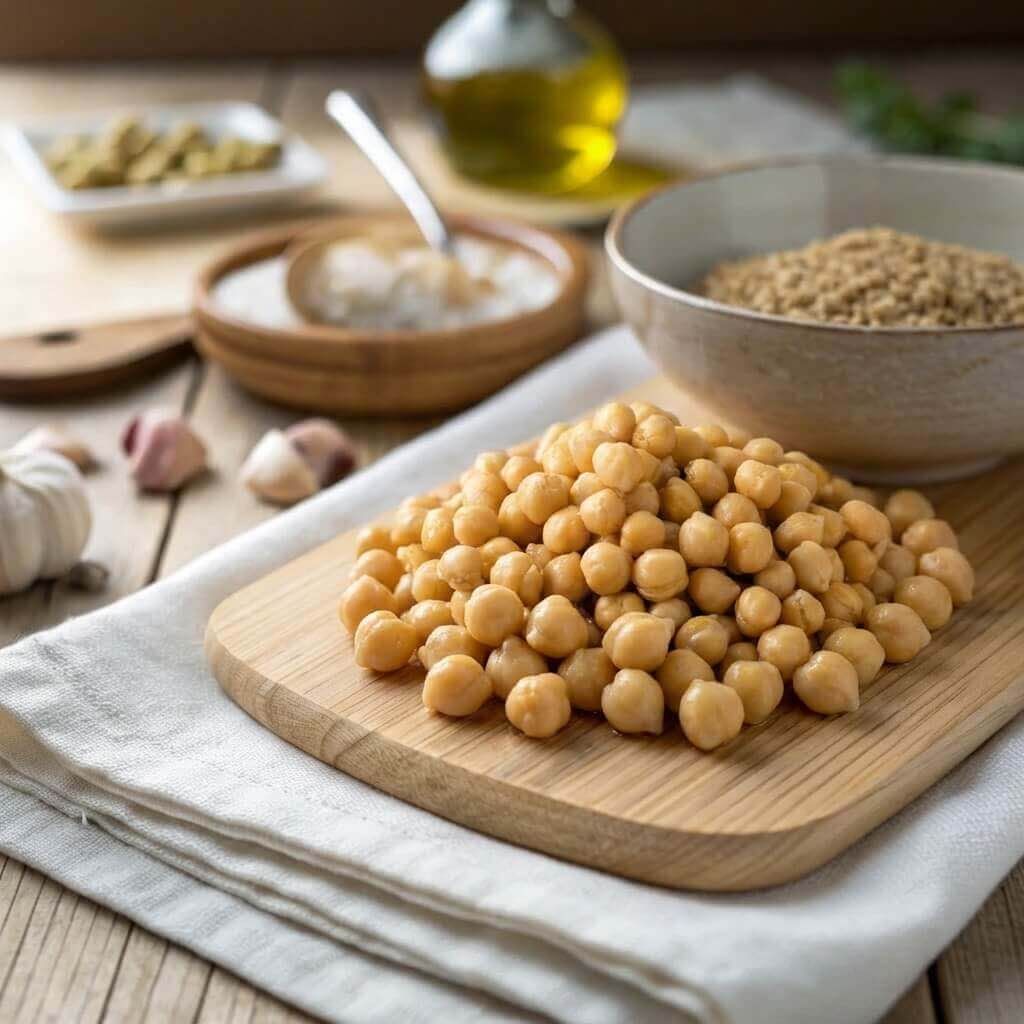
Can Babies Eat Chickpea?
Chickpeas are a mild, nutty legume that turn soft and creamy once properly cooked, making them one of the easiest plant proteins to serve a baby. They're rich in iron, fiber, and folate, useful for any diet but especially valuable if your family eats vegetarian or vegan, since chickpeas cover nutrients that are otherwise easy to miss. The fiber even includes a resistant starch that feeds good gut bacteria, a bonus beyond basic nutrition.
The skins can be fiddly for younger babies, slipping off or catching in the mouth, so many parents remove them before nine months and leave them on once babies manage textures more confidently. Beyond mashing, chickpeas work well blended into hummus, stirred into vegetable purees, or roasted whole for older babies to pick up themselves. Canned chickpeas make this easy on busy days, just rinse them well first to wash away the added sodium.
Chickpeas aren't a common allergen, though undercooked ones are tough to digest and can cause gas. Cooking them until they mash easily with a fork is really the only rule to follow.
Chickpea Baby Food: How to Prepare It
Puree from 6+ Months
Cook until very soft, remove skins, puree smooth (add liquid for consistency).
BLW from 6+ Months
Well-mashed chickpeas (skins removed) or as hummus on other foods.
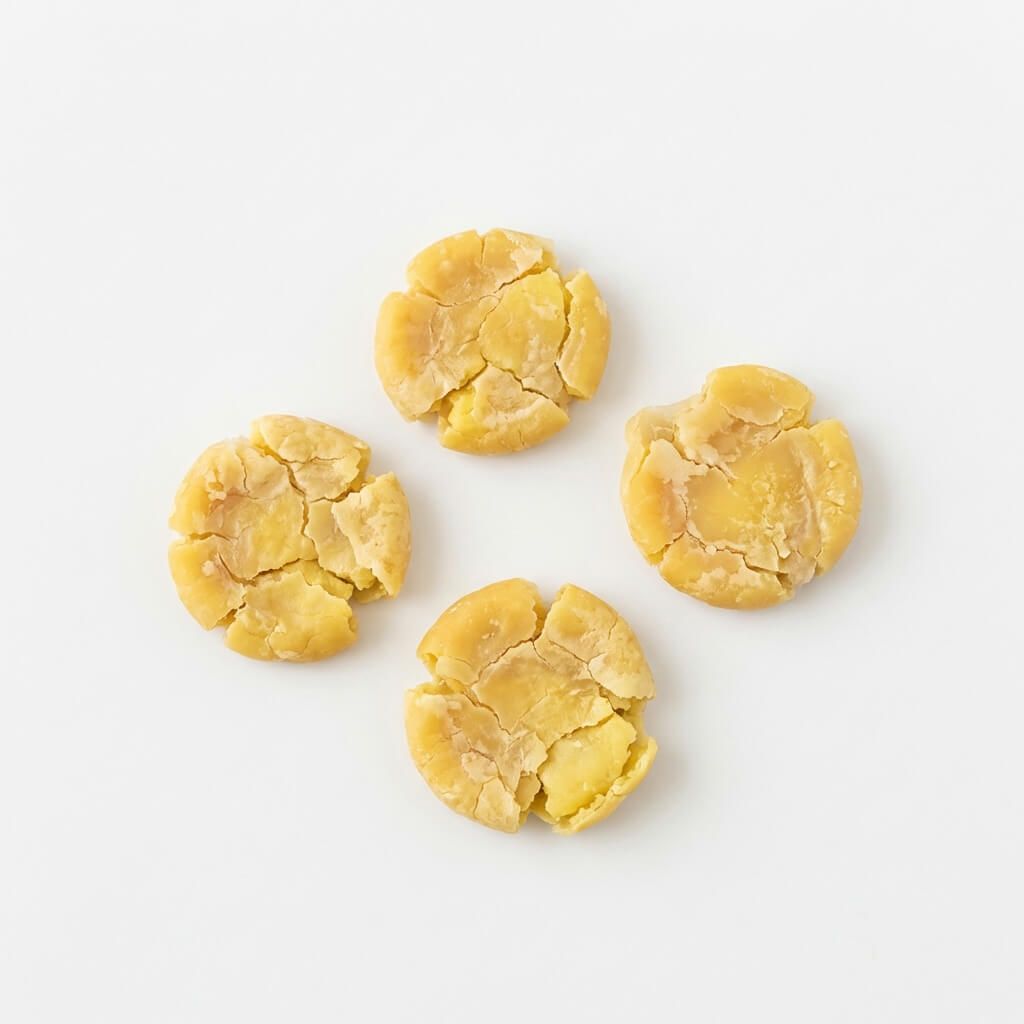
BLW from 9+ Months
Mashed or flattened whole chickpeas. Can include skins if very soft.
BLW from 12+ Months
Whole soft chickpeas or roasted for texture variety. Serve with utensils.
Nutritional Benefits
Chickpeas provide exceptional plant-based protein, iron, and fiber that support growth, brain development, and digestive health while offering versatile preparation options.
Key Nutrients
Protein
Essential for growth, muscle development, and tissue repair.
Iron
Crucial for blood formation and cognitive development.
Fiber
Supports digestive health and beneficial gut bacteria.
Folate
Essential for cell growth and brain development.
Zinc
Supports immune function and wound healing.
Allergen & Choking Information
Not a Common Allergen
Chickpeas are not a common allergen but can cause gas in some babies. Cook until very soft. Remove skins for younger babies. Mash well or cut appropriately.
Frequently Asked Questions
When can babies eat Chickpeas?
Around 6 months (when mashed well)
How do I prepare Chickpeas puree for my baby?
Cook until very soft, remove skins, puree smooth (add liquid for consistency).
What are the nutritional benefits of Chickpeas?
Chickpeas provide exceptional plant-based protein, iron, and fiber that support growth, brain development, and digestive health while offering versatile preparation options.
Sources & Related Resources
Get Personalized Guidance for Every Feeding Stage
Download the Grubsy app to track meals, get tailored recommendations, and explore foods like Chickpea plus hundreds more, all in one place.
Disclaimer: This information is for educational purposes only and does not replace professional medical advice.