Chicken for Babies
Baby Food Guide from 6 Months
Puree
6+
Months
BLW
6+
Months
Choking Hazard
Moderate
Allergen
No
Key Nutrients
Protein • Iron • Zinc
Can Babies Eat Chicken?
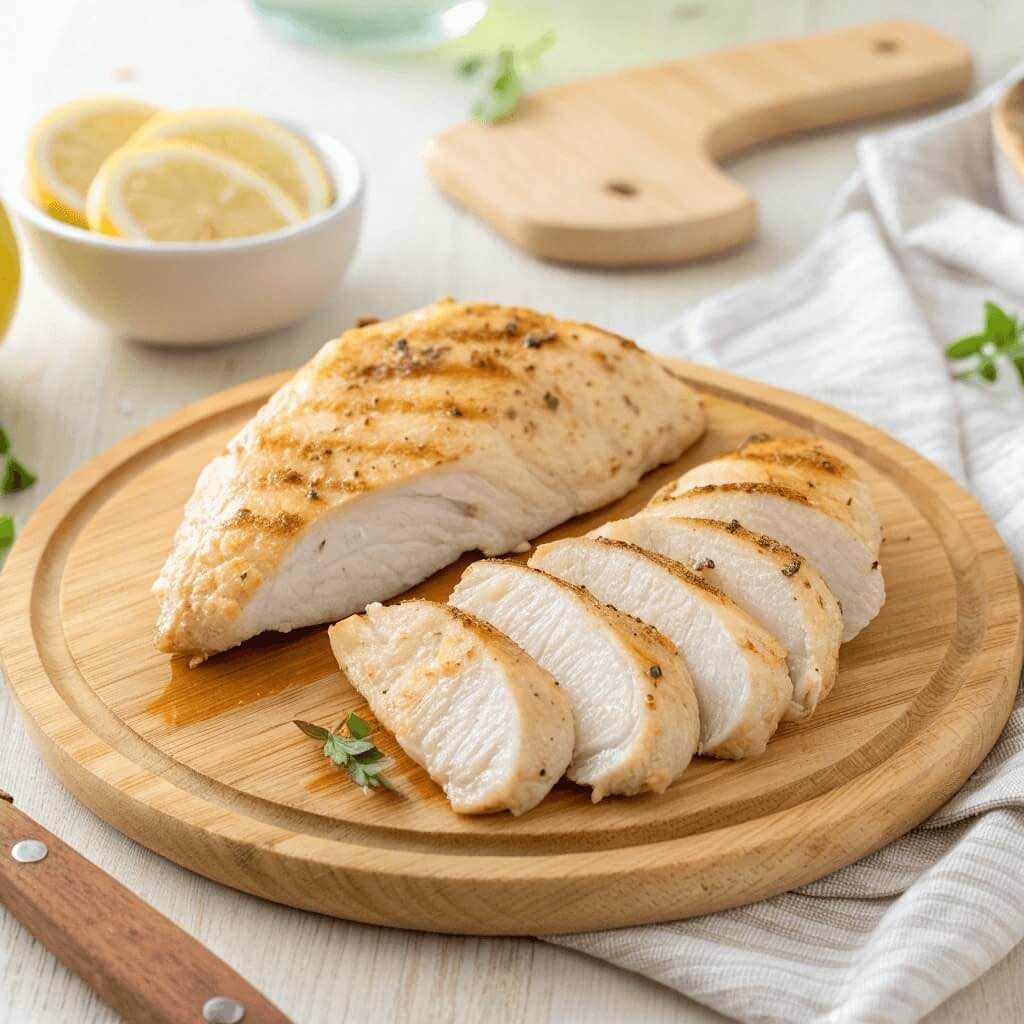
Chicken is usually the first meat many babies try, and it's an easy favorite once cooked soft. It's a lean, mild protein packed with iron, zinc, and B vitamins that support growth, brain development, and a healthy immune system during a stage when babies need iron more than almost any other nutrient. Its flavor is mild enough to pair easily with fruits, vegetables, or grains, which helps it blend into whatever else is on the plate.
One thing worth knowing: dark meat like thighs and drumsticks actually has more iron, zinc, and fat than chicken breast, which makes it a smart pick for babies rather than a lesser cut. Chicken is also endlessly adaptable: poached and pureed for first tastes, shredded for pincer grasp practice, or shaped into soft meatballs as babies get more confident. Organic, free-range chicken is worth choosing when you can, since it comes without added antibiotics or hormones.
Chicken isn't a common allergen, so there's little need to worry about reactions. The bigger thing to watch is moisture: dry, stringy pieces are harder to swallow safely than juicy ones, so cooking it through fully while keeping it moist matters more here than allergy caution.
Chicken Baby Food: How to Prepare It
Puree from 6+ Months
Cook chicken fully through, then shred or chop finely and puree with cooking liquid, breast milk, or formula until smooth. You can mix with pureed vegetables for added nutrition and moisture to make it easier to swallow.
BLW from 6+ Months
Offer long strips of well-cooked chicken breast about 2 fingers wide, or mix shredded chicken into soft foods. Make sure to cook fully through and keep the chicken moist to prevent choking.
BLW from 9+ Months
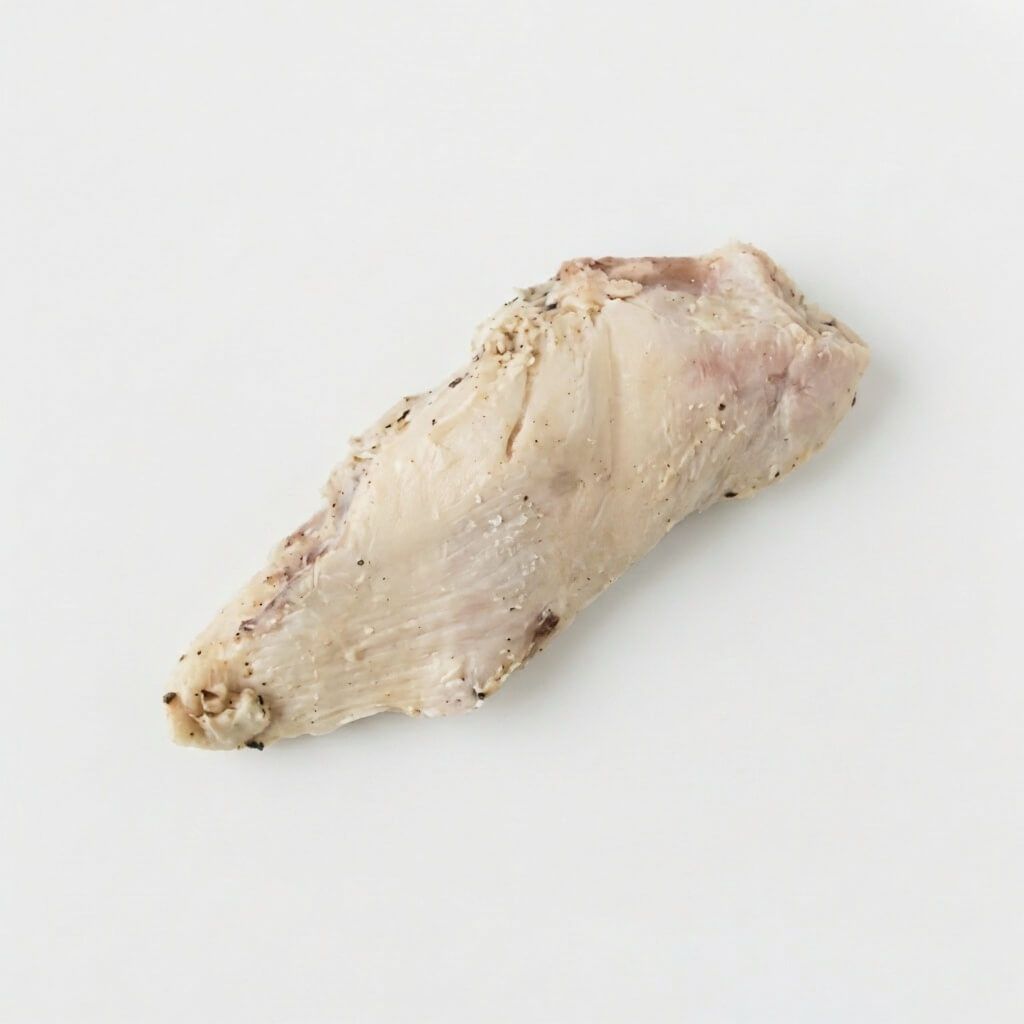
Serve small, tender shredded pieces (pea-sized) perfect for pincer grasp development. You can also offer shredded or finely chopped pieces that break apart easily, or small meatballs that can be mashed.
BLW from 12+ Months
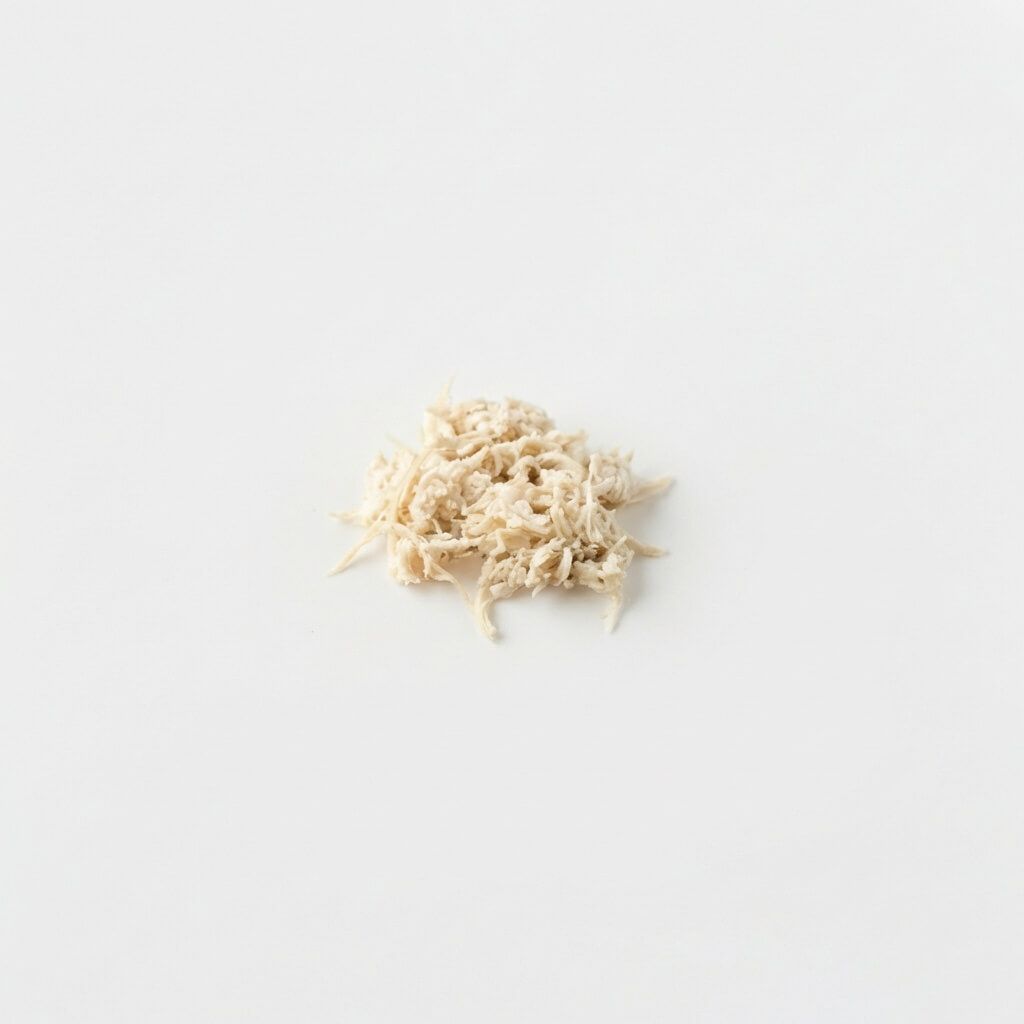
Serve bite-sized pieces as finger food or with utensils. You can continue offering drumstick options for self-feeding practice and to encourage independent eating.
Nutritional Benefits
Chicken is a mild, easily digestible source of complete protein and essential nutrients that support overall growth, brain development, and immune function in babies.
Key Nutrients
Protein
Supports growth and tissue repair.
Iron
Prevents anemia and supports cognitive development.
Zinc
Boosts immune system function.
Vitamin B6
Aids metabolism and brain function.
Niacin
Helps convert food into energy.
Allergen & Choking Information
Not a Common Allergen
Chicken is not a common allergen but must be fully cooked to 165°F/74°C to avoid foodborne illness. Ensure moist texture—avoid tough, dry chunks that may cause choking.
Frequently Asked Questions
When can babies eat Chicken?
Around 6 months (fully cooked and pureed or shredded)
How do I prepare Chicken puree for my baby?
Cook chicken fully through, then shred or chop finely and puree with cooking liquid, breast milk, or formula until smooth. You can mix with pureed vegetables for added nutrition and moisture to make it easier to swallow.
What are the nutritional benefits of Chicken?
Chicken is a mild, easily digestible source of complete protein and essential nutrients that support overall growth, brain development, and immune function in babies.
Sources & Related Resources
Get Personalized Guidance for Every Feeding Stage
Download the Grubsy app to track meals, get tailored recommendations, and explore foods like Chicken plus hundreds more, all in one place.
Disclaimer: This information is for educational purposes only and does not replace professional medical advice.