Cheese for Babies
Baby Food Guide from 6 Months
BLW
6+
Months
Choking Hazard
Moderate
Allergen
Yes
Key Nutrients
Calcium • Protein • Vitamin B12
Can Babies Eat Cheese?
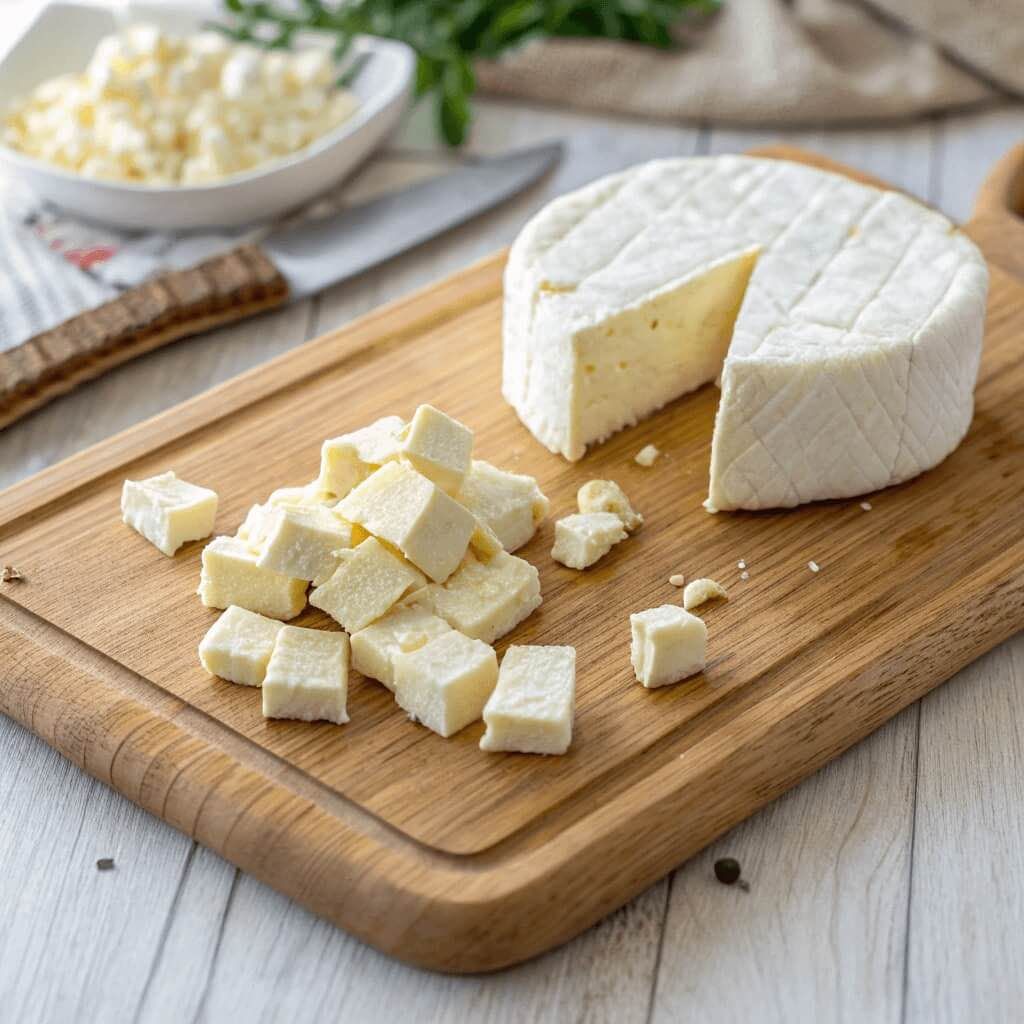
Cheese delivers a concentrated dose of calcium and protein for growing bones and muscles, and it's often a baby's first real taste of umami, the savory flavor that's a change from the sweetness of fruit and milk. Unlike the low-fat cheese many adults reach for, babies do best with full-fat versions, since that fat supports brain development during the first two years.
Soft, mild cheeses like mozzarella, ricotta, or mild cheddar tend to be easiest for babies to manage, whether melted into vegetables and pasta, stirred into scrambled eggs, or offered in small, thin pieces for self-feeding practice. Pasteurization matters here, so soft, mold-ripened, or unpasteurized styles like brie or feta are best left for later.
Cheese is a common allergen and comes with a fair amount of sodium and saturated fat. It's usually offered in modest amounts as part of a varied diet rather than as a daily staple on its own.
Cheese Baby Food: How to Prepare It
BLW from 6+ Months
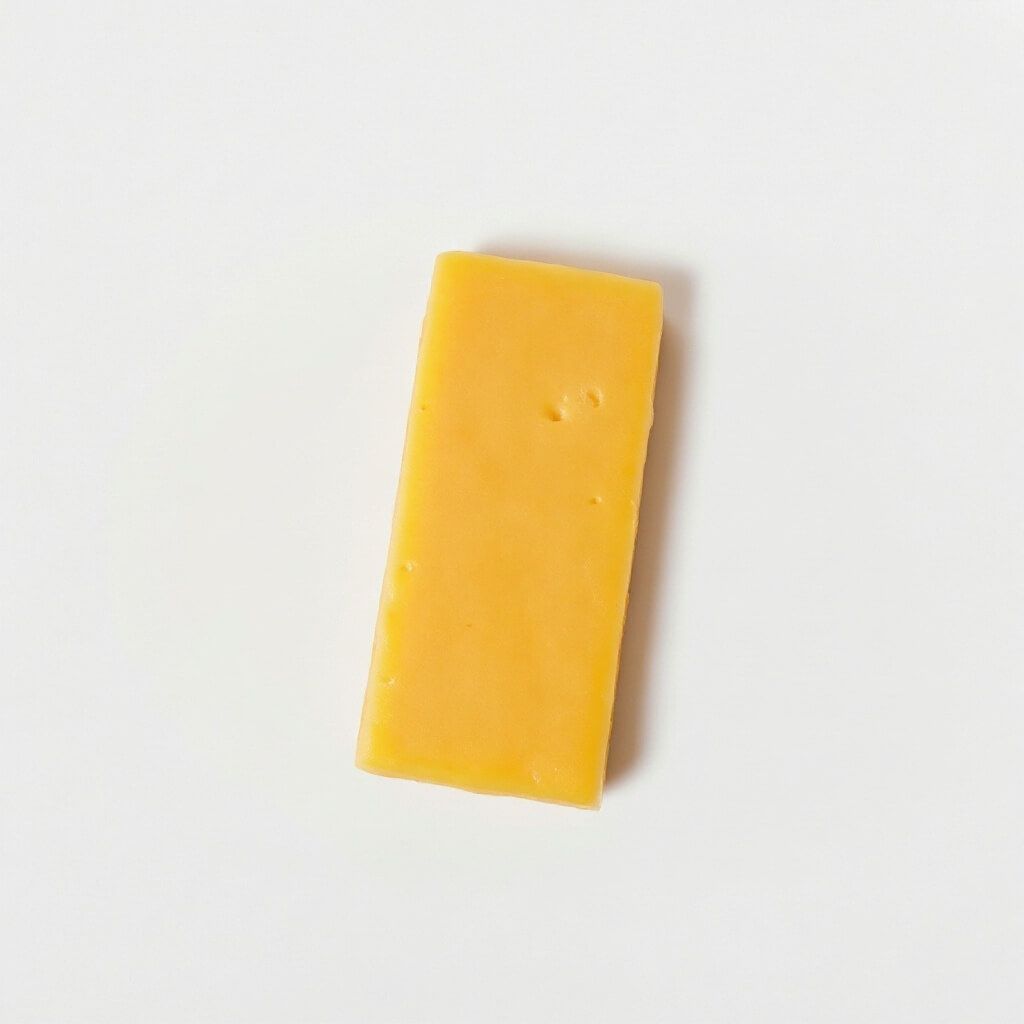
Cream cheese, young Gouda & similar semi-soft cheeses as long strips or spread. Only in small amounts.
BLW from 9+ Months
Small bites, long strips. Shredded sparingly. No cubes.
BLW from 12+ Months
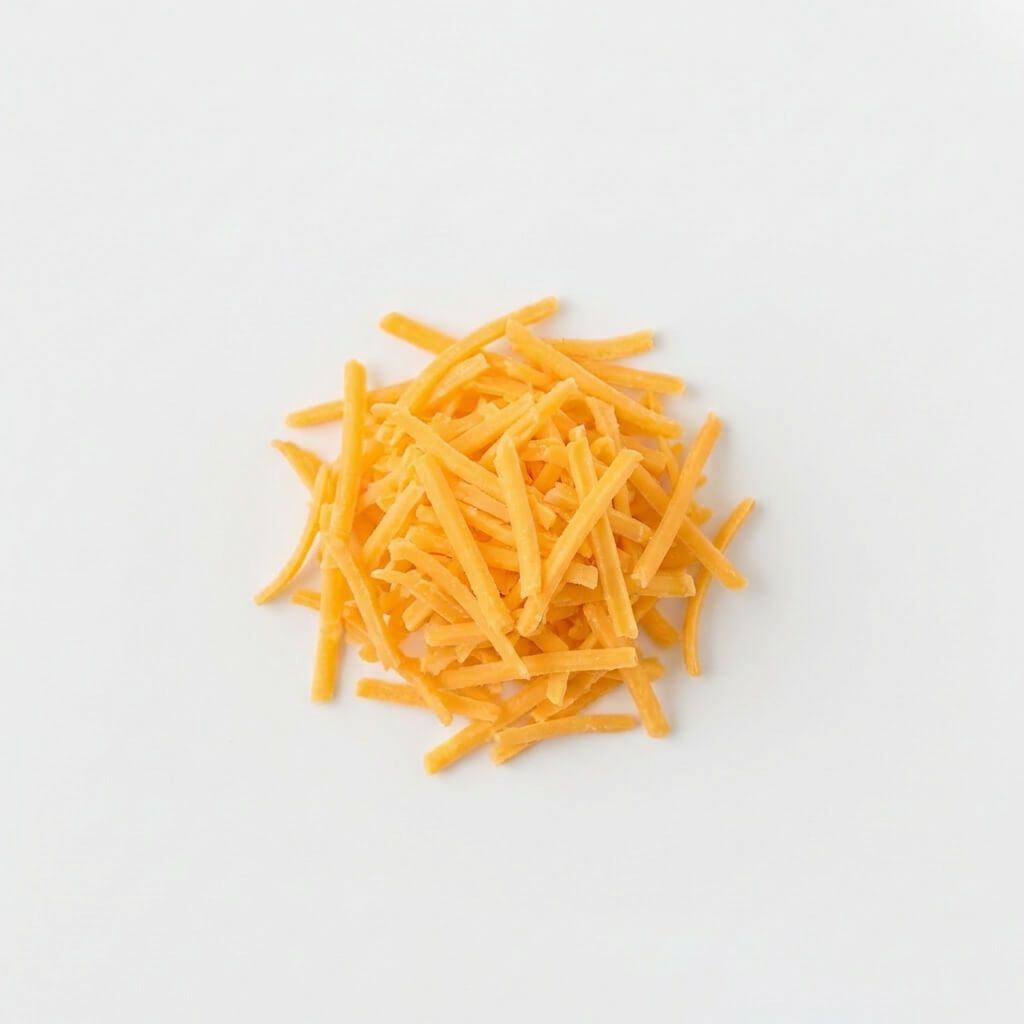
Baby can handle more variety of textures and mixed foods. Cheese can be melted on foods, crumbled, grated, or thinly sliced. Cheese can be added to meals. Still no large globs, no cubes, no raw/unpasteurized cheese.
Nutritional Benefits
Cheese delivers concentrated calcium and protein essential for bone strength and steady growth. Provides savory flavor exposure while offering easy-to-eat texture for developing eaters.
Key Nutrients
Calcium
Promotes strong bones and teeth.
Protein
Supports muscle growth and repair.
Vitamin B12
Aids nerve and brain development.
Zinc
Enhances immune function.
Fat
Provides energy for rapid growth.
Allergen & Choking Information
Common Allergen
Cheese contains dairy, a known allergen. Choose only pasteurized, lower-sodium full-fat varieties like mozzarella or mild cheddar. Avoid unpasteurized, hard, very sticky, or mold-ripened cheeses for infants.
Frequently Asked Questions
When can babies eat Cheese?
Around 6 months (pasteurized varieties only)
What are the nutritional benefits of Cheese?
Cheese delivers concentrated calcium and protein essential for bone strength and steady growth. Provides savory flavor exposure while offering easy-to-eat texture for developing eaters.
Sources & Related Resources
Get Personalized Guidance for Every Feeding Stage
Download the Grubsy app to track meals, get tailored recommendations, and explore foods like Cheese plus hundreds more, all in one place.
Disclaimer: This information is for educational purposes only and does not replace professional medical advice.