Cauliflower for Babies
Baby Food Guide from 6 Months
Puree
6+
Months
BLW
6+
Months
Choking Hazard
Moderate
Allergen
No
Key Nutrients
Vitamin C • Choline • Vitamin K
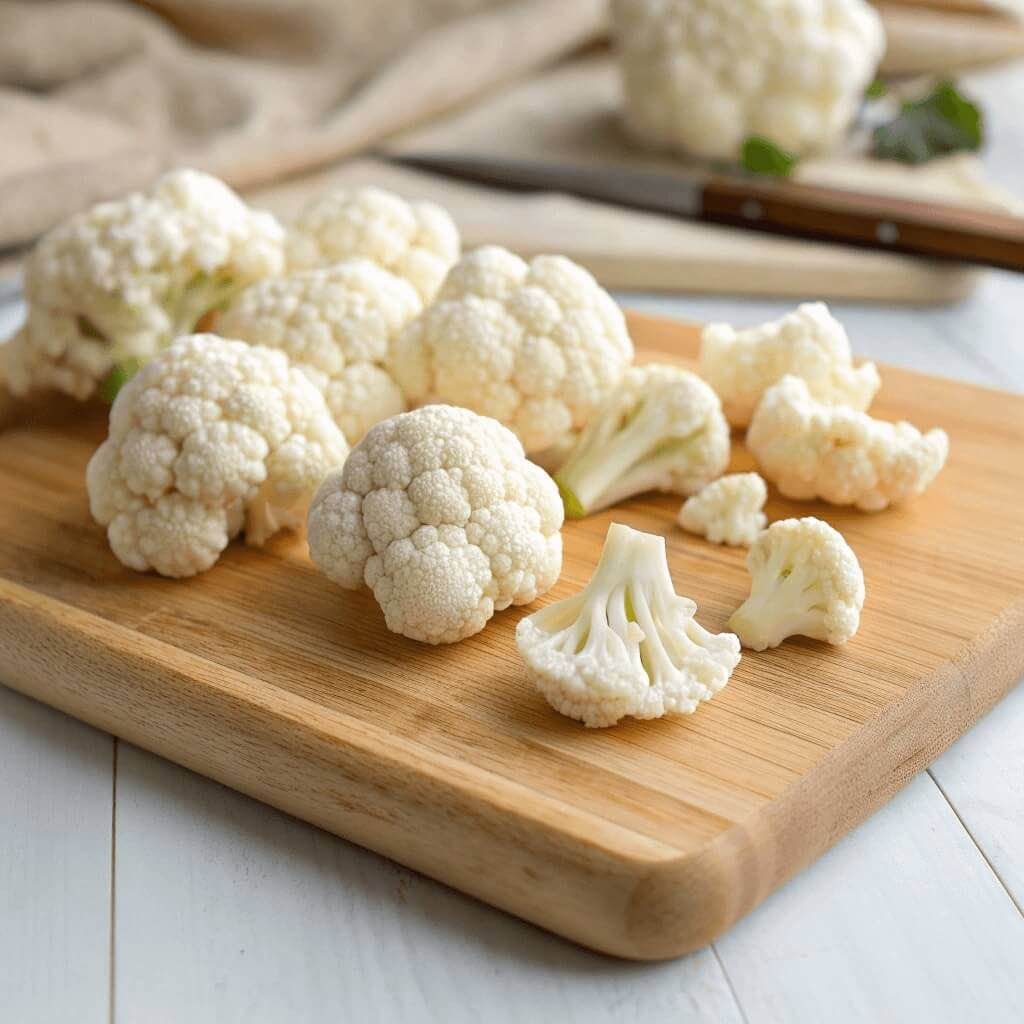
Can Babies Eat Cauliflower?
Cauliflower is broccoli's milder cousin, part of the same cruciferous family, and that mildness is exactly what makes it useful. Its subtle, slightly sweet flavor is easy for babies to accept, and it takes on the taste of whatever it's mixed with, which makes it a handy base while you're introducing new flavors.
Nutritionally it's a quiet standout, with choline for brain development, a nutrient that's harder to find in many other vegetables, alongside vitamin C, vitamin K, and fiber. Cooked until tender, the florets mash into a smooth puree or work well whole as an early finger food, since their shape gives babies something natural to hold. Older babies often enjoy it riced or roasted as their eating skills grow.
Cauliflower isn't a common allergen, which makes it a low-drama vegetable to introduce early. Raw or undercooked pieces are harder to chew, so cook it until it's soft enough to mash easily before serving.
Cauliflower Baby Food: How to Prepare It
Puree from 6+ Months
Steam cauliflower until very soft, then puree with cooking water, breast milk, or formula until smooth. This creates a mild, creamy base that mixes well with other vegetables for added flavor variety.
BLW from 6+ Months
Offer large florets with crowns about 2-3 inches, steamed to your preferred tenderness. Cut the stem lengthwise so it's not round to reduce choking risk and make it easier for baby to hold.
BLW from 9+ Months
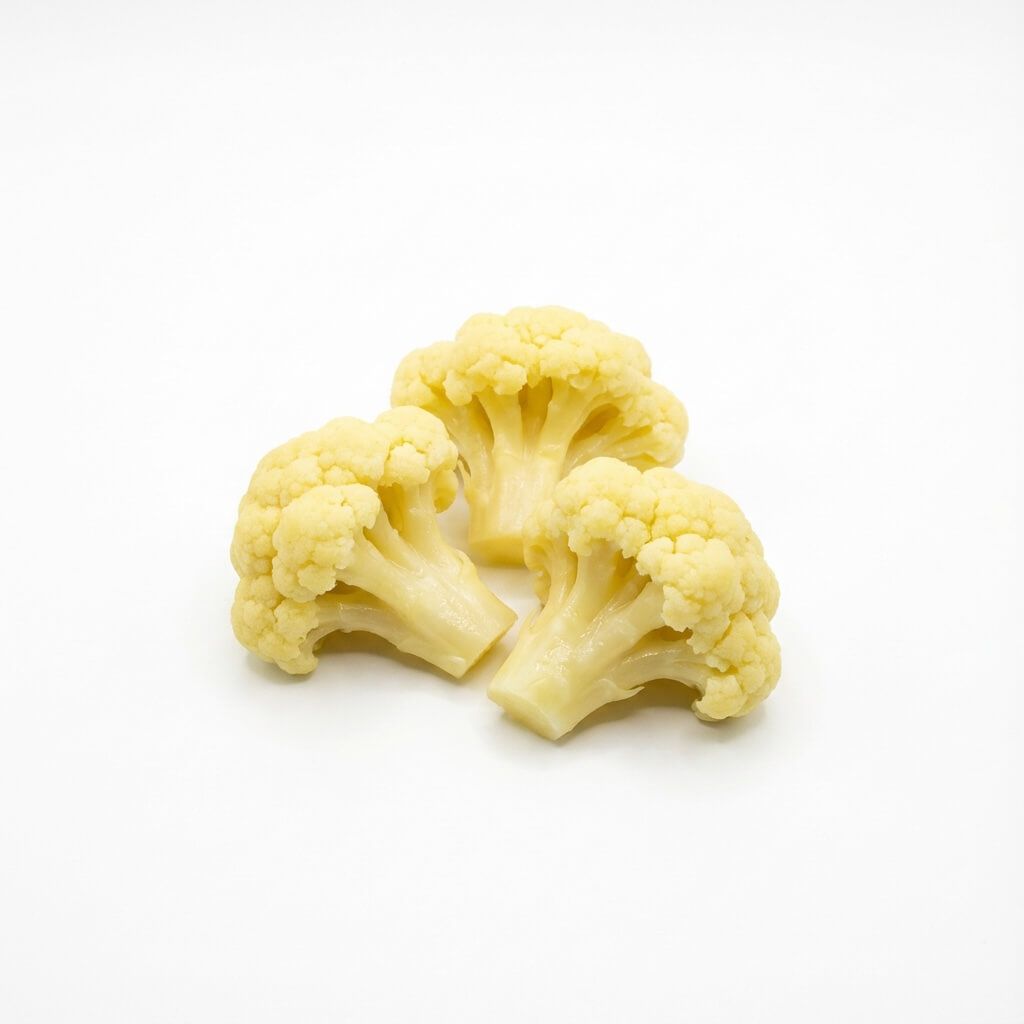
Offer small cooked pieces broken into perfect pincer grasp training sizes for fine motor development. Cooked cauliflower should easily break apart when chewed and can be mashed into chunky textures.
BLW from 12+ Months
Continue offering cooked florets alone or in meals as desired. Pre-load a fork with pieces for utensil practice and to encourage independent eating skills.
Nutritional Benefits
Cauliflower is packed with essential nutrients and makes an excellent addition to a balanced diet during infancy. Its mild flavor makes it easy to combine with other foods.
Key Nutrients
Vitamin C
Boosts immunity and supports iron absorption.
Choline
Plays a key role in brain development.
Vitamin K
Supports bone and blood health.
Fiber
Promotes digestive regularity.
Folate
Essential for healthy cell division and tissue growth.
Allergen & Choking Information
Not a Common Allergen
Not a common allergen, but raw or undercooked pieces can be hard to chew and increase choking risk. Always cook until very soft and test tenderness before serving.
Frequently Asked Questions
When can babies eat Cauliflower?
Around 6 months (when cooked until tender)
How do I prepare Cauliflower puree for my baby?
Steam cauliflower until very soft, then puree with cooking water, breast milk, or formula until smooth. This creates a mild, creamy base that mixes well with other vegetables for added flavor variety.
What are the nutritional benefits of Cauliflower?
Cauliflower is packed with essential nutrients and makes an excellent addition to a balanced diet during infancy. Its mild flavor makes it easy to combine with other foods.
Sources & Related Resources
Get Personalized Guidance for Every Feeding Stage
Download the Grubsy app to track meals, get tailored recommendations, and explore foods like Cauliflower plus hundreds more, all in one place.
Disclaimer: This information is for educational purposes only and does not replace professional medical advice.