Butternut Squash for Babies
Baby Food Guide from 6 Months
Puree
6+
Months
BLW
6+
Months
Choking Hazard
Low
Allergen
No
Key Nutrients
Vitamin A • Vitamin C • Fiber
Can Babies Eat Butternut Squash?
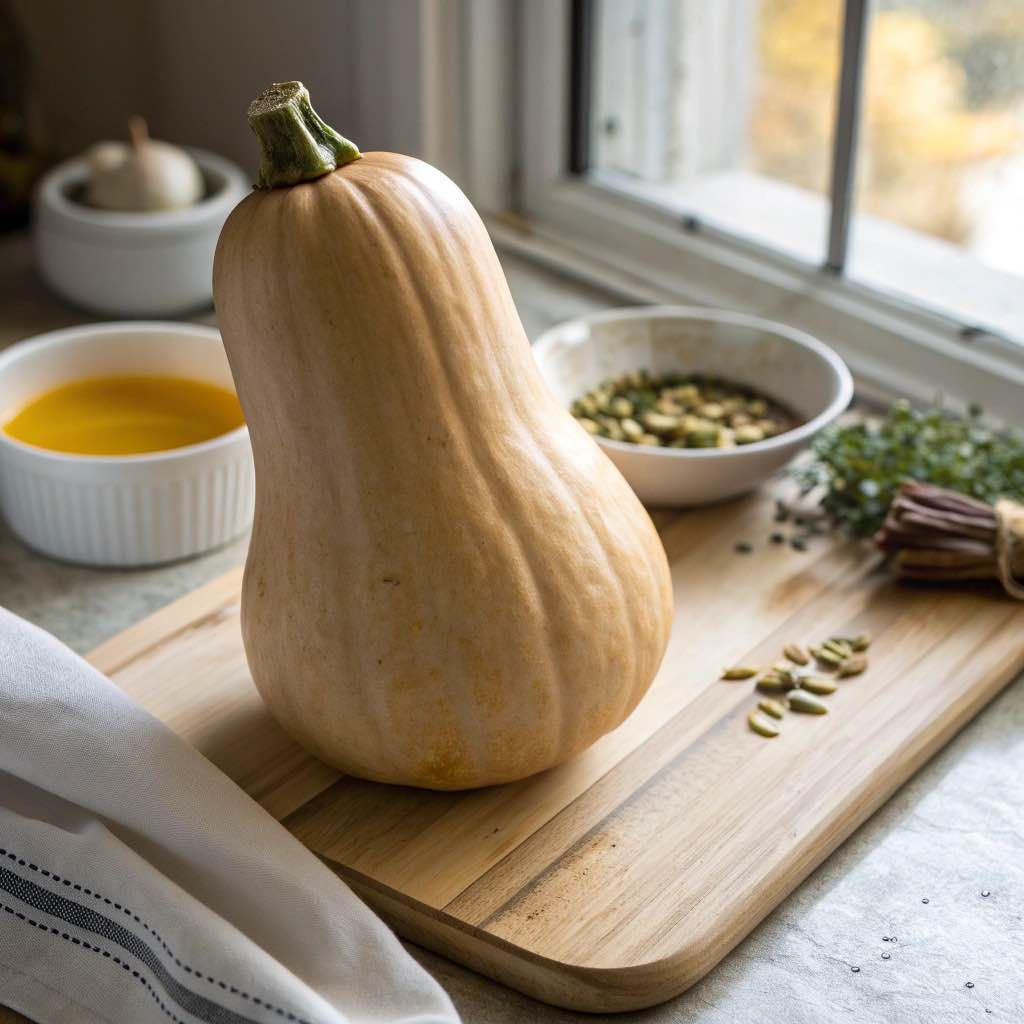
Butternut squash earns its place as a favorite first food: its natural sweetness needs no added sugar or salt, and a single serving can cover more than a baby's full day of vitamin A. That deep orange color comes from beta-carotene, which the body converts to vitamin A for eyes, skin, and immune health, alongside a solid amount of potassium and fiber.
Cooked down, it turns smooth and creamy, easy to puree on its own or blend with other vegetables and proteins that babies are less sure about. Roasted cubes develop a caramelized edge that makes a great early finger food, and the whole squash keeps for weeks in a cool, dry spot, so it's an easy one to have on hand. Many families use it as the base for combination meals precisely because its sweetness works with almost anything.
Butternut squash isn't a common allergen. It carries a low choking risk once it's cooked until soft enough to mash easily, which makes it a gentle food to start with.
Butternut Squash Baby Food: How to Prepare It
Puree from 6+ Months
Roast or steam until very soft, remove skin and seeds, puree smooth.
BLW from 6+ Months
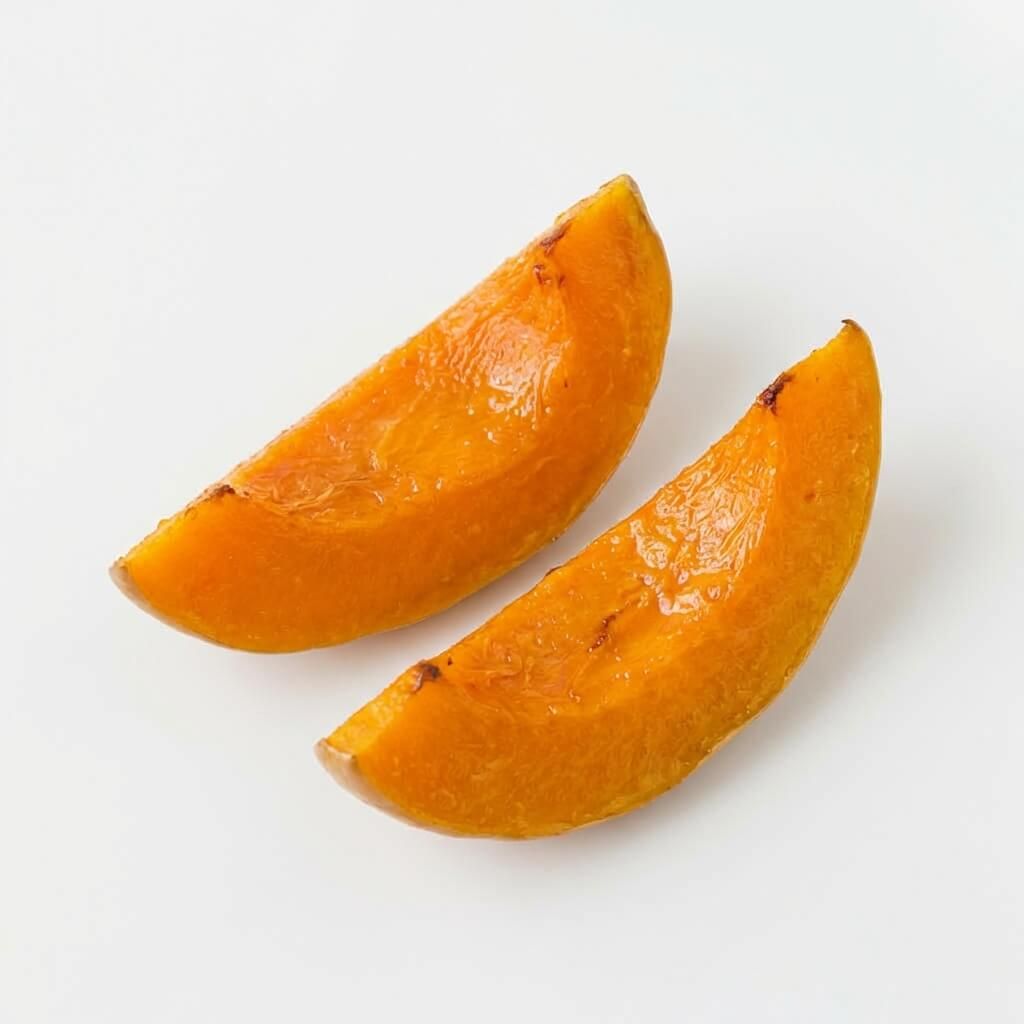
Thick finger-sized strips of very soft roasted or steamed squash (skin removed).
BLW from 9+ Months
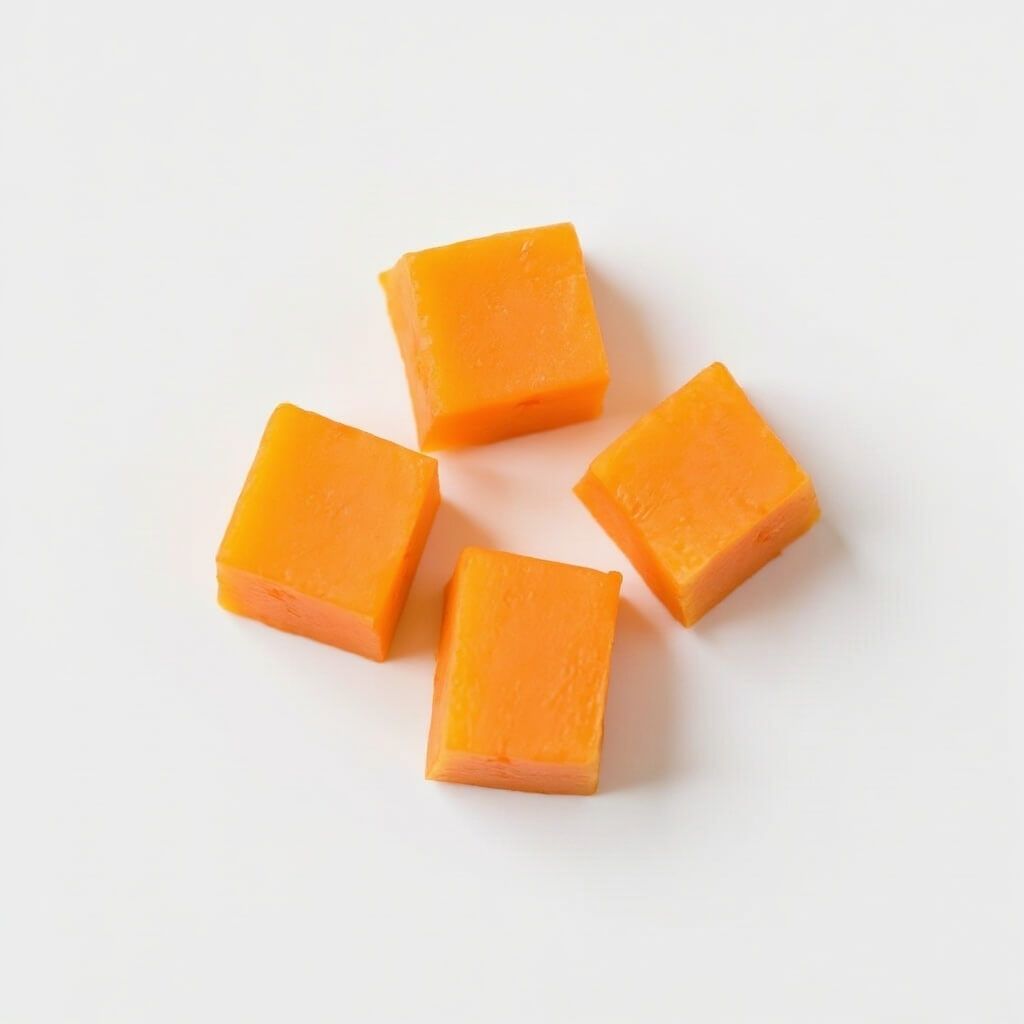
Bite-sized pieces of soft cooked squash.
BLW from 12+ Months
Bite-sized pieces or mashed. Serve with utensils to practice.
Nutritional Benefits
Butternut squash delivers exceptional vitamin A, natural sweetness, and creamy texture that supports vision, immunity, and healthy development while appealing to babies' taste preferences.
Key Nutrients
Vitamin A
Crucial for vision, immune function, and healthy skin development.
Vitamin C
Supports immune health and helps absorb iron from foods.
Fiber
Promotes healthy digestion and regular bowel movements.
Potassium
Supports heart health and muscle function.
B Vitamins
Support energy production and brain development.
Allergen & Choking Information
Not a Common Allergen
Butternut squash is not a common allergen. Cook until very soft. Remove all skin and seeds. Cut appropriately for baby's age.
Frequently Asked Questions
When can babies eat Butternut Squash?
Around 6 months
How do I prepare Butternut Squash puree for my baby?
Roast or steam until very soft, remove skin and seeds, puree smooth.
What are the nutritional benefits of Butternut Squash?
Butternut squash delivers exceptional vitamin A, natural sweetness, and creamy texture that supports vision, immunity, and healthy development while appealing to babies' taste preferences.
Sources & Related Resources
Get Personalized Guidance for Every Feeding Stage
Download the Grubsy app to track meals, get tailored recommendations, and explore foods like Butternut Squash plus hundreds more, all in one place.
Disclaimer: This information is for educational purposes only and does not replace professional medical advice.